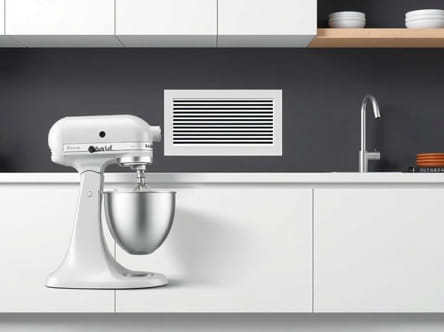
Kitchenaid Downdraft Vent Installation
Installing a KitchenAid downdraft vent is a valuable investment for any modern kitchen, especially when you’re dealing with limited space or aiming for a sleek, uncluttered design. This unique ventilation system pulls cooking fumes, steam, and odors downward through a hidden duct rather than upwards like traditional range hoods. Whether you’re doing a full kitchen renovation or simply upgrading your ventilation, understanding the installation process and key considerations will ensure you get optimal performance from your KitchenAid downdraft vent.
Understanding Downdraft Ventilation
What Is a Downdraft Vent?
A downdraft vent is a type of ventilation system designed to extract air downwards instead of up. It’s typically installed behind a cooktop and can rise up when needed, then retract out of sight. KitchenAid downdraft vents are known for their reliability, quiet operation, and modern appeal, making them a popular choice for homeowners looking for a streamlined kitchen layout.
Why Choose KitchenAid Downdraft Ventilation?
KitchenAid offers high-quality downdraft systems that pair well with both gas and electric cooktops. These vents are especially useful in kitchen islands or spaces where a traditional overhead range hood is impractical or undesired. They remove smoke, grease, and odor efficiently while maintaining open sightlines and a minimalist aesthetic.
Pre-Installation Planning
Evaluate Your Kitchen Layout
Before you begin, consider the location of your cooktop and nearby cabinets. Downdraft vents are most effective when installed close to the cooking surface. Ensure there is enough space below the counter for both the blower and ductwork. If you have an island cooktop, a downdraft vent is often the best ventilation solution.
Check Electrical and Ducting Requirements
KitchenAid downdraft vents require a dedicated electrical outlet, typically 120V. Additionally, proper ducting must be planned in advance. Venting can go through the floor, wall, or side of the cabinet, depending on your kitchen’s configuration. KitchenAid units come with detailed specs for vertical and horizontal ductwork lengths and turns.
Tools and Materials Needed
- Screwdriver set
- Drill with bits
- Jigsaw or hole saw
- Measuring tape and level
- Ducting materials (elbows, flexible duct, clamps)
- Electrical outlet and wiring tools (if not pre-installed)
- KitchenAid downdraft vent and blower unit
Step-by-Step Installation Guide
1. Prepare the Cutout
Start by referring to the installation template provided with the KitchenAid downdraft vent. Measure and mark the cutout dimensions carefully on your countertop. Using a jigsaw or appropriate cutting tool, make the cutout to fit the unit. Take caution to avoid damaging surrounding cabinets or surfaces.
2. Install the Vent Unit
Lower the downdraft vent assembly into the cutout. Secure it to the counter or cabinet base using the supplied brackets and screws. Use a level to ensure the unit is perfectly upright. This step is critical for proper retraction and extension of the vent mechanism.
3. Connect the Blower Motor
Depending on your KitchenAid model, the blower may be mounted on the downdraft unit or placed remotely. Connect the blower to the vent with the provided connector and secure it tightly. Remote blowers may be placed in a cabinet or another area to reduce noise.
4. Route the Ductwork
Attach the ducting to the blower outlet. Plan the most direct path to the exterior of the home, minimizing sharp bends to ensure strong airflow. Use foil tape and clamps to secure joints and prevent air leaks. Check that your ducts comply with local building codes and KitchenAid’s specifications.
5. Make the Electrical Connections
Shut off power at the breaker box before making any electrical connections. Connect the downdraft unit to the dedicated 120V outlet. Follow KitchenAid’s wiring diagram closely. If you’re not comfortable working with electricity, consider hiring a licensed electrician.
6. Test the Downdraft Vent
Once everything is connected, restore power and test the system. Turn on the downdraft vent to see if it rises and retracts smoothly. Operate the blower at various speeds to check airflow and noise levels. Verify that the ducting is leak-free and that air is venting outdoors.
Common Installation Challenges
Limited Cabinet Space
Downdraft systems can take up considerable space below the counter. Make sure your base cabinets can accommodate the unit’s depth and ducting. Custom cabinetry modifications may be necessary in some kitchens.
Ducting Around Obstacles
If floor joists, plumbing, or electrical lines block your preferred duct path, rerouting may be required. In such cases, flexible ducting or additional elbows can help navigate tight spaces, though they may reduce efficiency slightly.
Noise Levels
Some users notice a humming sound during operation. If noise is a concern, consider using a remote blower. Proper installation with secure fittings can also reduce vibration and noise.
Maintenance Tips
Clean Filters Regularly
The KitchenAid downdraft vent includes grease filters that should be removed and cleaned every few weeks, depending on cooking frequency. Soak them in warm, soapy water or place them in the dishwasher if the manufacturer allows.
Inspect Ducts Annually
Check ducting once a year for buildup or blockages. Clean as needed to maintain optimal airflow. Leaks or loose connections should be sealed immediately to prevent backflow of air and odors.
Service the Motor
If the blower becomes noisy or less effective, it may need servicing. Contact KitchenAid support or a local appliance technician to inspect the motor and replace worn components if necessary.
Installing a KitchenAid downdraft vent is a smart solution for homeowners seeking efficient ventilation without sacrificing kitchen aesthetics. From planning and cutout preparation to ductwork and wiring, each step must be executed with care to ensure optimal performance. Whether you’re remodeling your entire kitchen or simply updating your cooking ventilation system, the KitchenAid downdraft vent offers a sleek, powerful alternative to traditional hoods. With proper installation and maintenance, it will provide years of reliable service, keeping your kitchen clean, odor-free, and visually appealing.