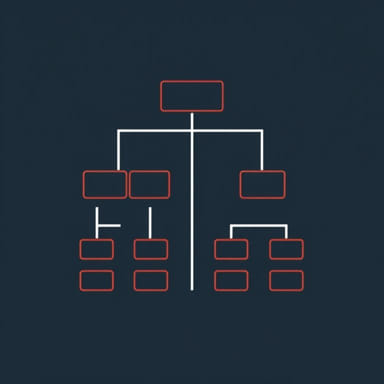
Matrix Organizational Structure Diagram
Understanding organizational structures is fundamental to the success of any business, as it directly impacts communication, decision-making, and operational efficiency. Among various organizational models, the matrix organizational structure is particularly notable for its flexibility and dynamic approach to management. This structure combines functional and project-based divisions to optimize resource use and enhance collaboration across departments. A matrix organizational structure diagram visually represents this complex setup, showing the dual lines of authority and reporting relationships that distinguish it from traditional hierarchical models.
What is a Matrix Organizational Structure?
The matrix organizational structure is a hybrid system where employees report to multiple managers typically both a functional manager and a project or product manager. This dual-reporting framework aims to balance the benefits of specialized functional expertise with the agility of project-based teams. It facilitates efficient use of resources, fosters cross-functional communication, and supports dynamic project management in complex and fast-changing environments.
In traditional hierarchical organizations, employees usually report to a single manager within a defined department, such as marketing, finance, or operations. The matrix structure, however, overlays this functional organization with project teams, allowing employees to participate in multiple initiatives simultaneously while maintaining their functional roles. This setup is especially useful in industries like technology, consulting, aerospace, and manufacturing where cross-disciplinary collaboration is essential.
Key Features of Matrix Organizational Structure
- Dual Reporting Lines: Employees report to both functional and project managers, creating a web of accountability.
- Cross-Functional Teams: Teams consist of members from different functional backgrounds working towards common project goals.
- Shared Resources: Staff and resources are shared across projects to maximize efficiency and reduce redundancy.
- Dynamic Workflow: The structure is flexible, allowing quick adaptation to changing project demands and priorities.
- Collaboration and Communication: Encourages ongoing dialogue between departments and projects to enhance problem-solving and innovation.
Understanding the Matrix Organizational Structure Diagram
A matrix organizational structure diagram provides a clear visual representation of the dual-reporting relationships and the interplay between functional and project hierarchies. The diagram typically consists of two axes: one representing the functional departments and the other representing projects or product lines.
On one axis, you have the vertical functional structure with managers overseeing specialized areas such as finance, marketing, engineering, or human resources. On the other axis, horizontal project or product managers lead cross-functional teams that pull resources from these functions to work on specific projects or initiatives. The intersections in the diagram illustrate where employees belong to both a function and a project team, highlighting their dual accountability.
Elements in the Matrix Organizational Structure Diagram
- Functional Departments: Usually positioned vertically, these are specialized units that focus on core business areas.
- Project or Product Teams: Positioned horizontally, these teams work on temporary or ongoing projects requiring diverse skill sets.
- Employees: Located at the intersection points, employees report to both functional and project managers.
- Reporting Lines: Solid lines often represent direct authority (functional reporting), while dotted lines indicate secondary or project reporting relationships.
- Managers: Both functional and project managers are depicted, clarifying their roles and responsibilities.
Advantages of a Matrix Organizational Structure
The matrix structure offers several benefits that make it an attractive choice for organizations operating in complex environments. First, it promotes efficient resource utilization by enabling employees to be shared across projects without duplicating efforts. This approach reduces overhead costs and maximizes productivity.
Second, it fosters collaboration by encouraging communication between different functional areas. When employees work in cross-functional teams, they gain a broader perspective, leading to innovative solutions and improved decision-making. This structure also enhances flexibility, allowing organizations to respond swiftly to market changes or new business opportunities.
Furthermore, the matrix structure supports employee development by exposing staff to multiple areas of the business and diverse leadership styles. This exposure helps build versatile skills and prepares employees for leadership roles. Additionally, it can improve job satisfaction through varied work assignments and increased engagement.
Disadvantages and Challenges
Despite its many benefits, the matrix organizational structure presents some challenges. The dual reporting lines can lead to confusion and conflict, especially if managers have competing priorities or unclear roles. Employees may feel torn between functional responsibilities and project deadlines, resulting in stress or decreased productivity.
Moreover, the structure requires robust communication and conflict resolution mechanisms to manage the complexity of multiple reporting relationships. Without clear processes, decision-making can slow down, and accountability may become diluted. Organizations must invest in training managers and staff to navigate this environment effectively.
Finally, maintaining a matrix structure can be resource-intensive, as it demands ongoing coordination and collaboration across departments and projects. It may not be suitable for smaller organizations with simpler operational needs.
When to Use a Matrix Organizational Structure
The matrix structure is best suited for organizations that operate in dynamic and complex markets requiring frequent collaboration across functional boundaries. Industries like aerospace, IT, construction, consulting, and pharmaceuticals benefit significantly from this model due to their project-driven nature and need for specialized knowledge.
Companies facing rapid change, innovation demands, or global operations also find the matrix structure advantageous. It enables them to leverage global talent pools and adapt quickly to shifting priorities while maintaining functional expertise. However, organizations should assess their readiness for the cultural and managerial complexities this structure introduces before implementation.
Best Practices for Managing Matrix Organizations
- Clear Role Definition: Define responsibilities and authority of functional and project managers clearly to avoid conflicts.
- Effective Communication: Establish regular communication channels to keep all stakeholders informed and aligned.
- Conflict Resolution Mechanisms: Implement processes for resolving disputes between managers or teams promptly.
- Training and Development: Equip employees and managers with skills to operate effectively in a matrix environment.
- Strong Leadership: Encourage collaborative leadership styles that support teamwork and shared goals.
The matrix organizational structure diagram serves as a valuable tool to understand the complex reporting relationships that define this hybrid management model. By visually mapping functional and project lines of authority, the diagram clarifies how organizations can blend specialization with flexibility to meet evolving business demands.
While the matrix structure brings challenges related to communication and authority, its benefits in fostering collaboration, efficient resource use, and adaptability make it a powerful organizational design for many industries. Success with a matrix organization depends heavily on clear role definitions, effective communication, and strong leadership. When implemented thoughtfully, the matrix structure can help companies innovate, compete, and thrive in todayâs fast-paced business environment.
#kebawah#