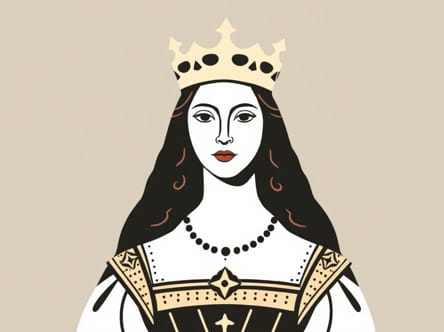
Joan Of Valois Duchess Of Alen On
Joan of Valois, Duchess of Alençon, is a historical figure whose life intersected with medieval politics, dynastic alliances, and personal resilience. Born into the powerful Valois dynasty, she became Duchess of Alençon through marriage and navigated the complex social and political landscape of 14th-century France. Her story touches on themes of lineage, loyalty, adversity, and spiritual devotion. Joan’s journey marked by loss, negotiation, and quiet influence offers a compelling portrait of noblewomanhood in late medieval Europe.
Early Life and Valois Lineage
Dynastic Background
Joan of Valois was born around 1343 into the royal House of Valois, a cadet branch of the Capetian dynasty. She was a daughter of Charles of Valois and his second wife, Catherine of Courtenay, providing Joan with a prestigious birthright. As a princess of Valois, she was connected to the French royal family and carried the status that came with such lineage. Her upbringing in the French court prepared her for a life defined by protocol, religion, and political expectation.
Education and Childhood
While specific details of Joan’s early years are sparse, noblewomen of her time typically received training in languages, religious education, needlework, and court etiquette. They were also educated about alliances, diplomacy, and the management of estates. Joan’s childhood would have involved participation in court ceremonies and witnessing the interplay between power and piety, a formative experience for her leadership role in Alençon.
Marriage to Duke Peter II of Alençon
Political Significance
Joan married Peter II, Duke of Alençon, around 1361. This marriage was arranged to strengthen alliances between the Valois monarchy and the smaller duchy of Alençon. The union elevated Joan to duchess and tied Alençon more closely to the interests of the French crown. At a time when France was engaged in dynastic struggles and the Hundred Years’ War against England, alliances like this were essential to consolidating power and loyalty.
Role as Duchess
As Duchess of Alençon, Joan assumed both ceremonial and practical responsibilities. She hosted visitors, presided over court festivals, and oversaw domestic affairs. She also acted as a patron of religious institutions, providing support to convents, abbeys, and hospitals within the duchy. These charitable and spiritual activities reflected the expected values of a high-born medieval woman and reinforced her family’s piety and local influence.
Family Tragedy and Later Life
Widowhood and Custody Disputes
Peter II died in 1384, leaving Joan widowed and in control of her dower lands. Widowhood in medieval noble society was both a period of loss and potential autonomy. Joan negotiated with her stepson and other relatives to secure her rights and maintain her income. Her ability to protect her interests through dower rights reflects her resilience and negotiation skills.
Spiritual Devotion and Patronage
After her husband’s death, Joan dedicated much of her life to religious devotion and charitable works. She supported the foundation of convents and provided endowments for liturgical services and relief for the poor. As was common among widowed noblewomen, religious life offered both purpose and social standing. Joan frequently participated in religious rituals and maintained a reputation for piety and generosity.
Influence and Legacy
Maintaining Authority in Alençon
Joan’s continued influence in Alençon was marked by her charitable actions and courtly presence. While she did not wield formal political power like ruling regents, she shaped local morale and social structure through her patronage. Her endorsement of building projects and spiritual acts helped stable Alençon at a time when noble deaths and dynastic conflict brought uncertainty.
Historical Footprint
Though not as prominently recorded as kings or male nobles, Joan’s life reveals the soft power exercised by medieval noblewomen. Her decisions from marriage alliances to religious endowments helped determine the fate of estates and communities. For historians, she represents the voice of noblewomen beyond the male-centered narrative of medieval politics.
Character and Contributions
A Woman of Resilience
Joan of Valois’s life was not easy she lost her husband, witnessed war, and navigated lifelong transitions. Yet she remained active, respected, and generous. Her ability to transform widowed vulnerability into spiritual and charitable activity exemplifies the endurance expected of noble widows in the Fourteenth Century.
Cultural and Religious Impact
Her support for religious institutions created lasting cultural benefits. Convents and hospitals founded through her means served as centers for education, healthcare, and relief for the poor. Through these acts, Joan contributed to a tradition of medieval social welfare imbued with Christian values.
Joan’s Historical Significance
Symbol of Noblewoman’s Agency
While male power dominates medieval chronicles, the influence of noblewomen like Joan deserves recognition. Through marriage, widowhood, and pious interaction, medieval duchesses shaped alliances, supported communities, and maintained dynastic stability. Joan’s life stands as an example of such agency within the constraints of her gender and era.
Dynastic and Regional Connections
Through Joan of Valois, one sees the interconnection between royal power and regional lords. Her marriage linked royal prestige to Alençon, bringing attention and resources. Her presence as duchess, and later as dowager, illustrates the network of political ties that sustained medieval governance.
Joan of Valois, Duchess of Alençon, lived a life defined by lineage, service, and quiet power. Born into the royal Valois dynasty, she entered the political life of Alençon through marriage, and after her husband’s death she continued to guide her region through spiritual and charitable work. Her story highlights the resilience and influence of medieval noblewomen, reminding us that noble agency extended far beyond battlefields or palaces. In Joan’s life, faith, duty, and diplomacy intertwine to leave a legacy of piety and public service.