Jewish Dessert Of Knotted Pastries Honey
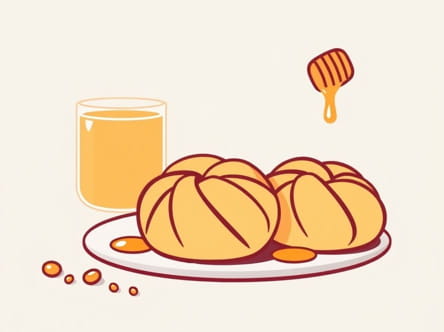
Among the many rich culinary traditions of Jewish cuisine, one particular dessert stands out for both its symbolic meaning and its delightful taste: the knotted pastry glazed with honey. Often enjoyed during Jewish holidays and family celebrations, these pastries reflect a deep cultural heritage tied to themes of sweetness, continuity, and community. The unique knotted shapes, golden brown crust, and fragrant honey glaze make them not only visually appealing but also a memorable treat that brings people together around the table.
Historical Roots of Jewish Knotted Pastries
Jewish knotted pastries with honey are rooted in centuries-old baking traditions that span across Jewish communities in Eastern Europe, the Middle East, and North Africa. These pastries are often associated with celebratory occasions such as weddings, Purim, or Rosh Hashanah the Jewish New Year. The knotting of the dough can symbolize unity or the unbroken bond between generations, while the honey represents sweetness and hope for a good future.
Regional Variations and Names
Different Jewish communities have their own versions of knotted honey pastries:
- Teiglach (Eastern European Ashkenazi tradition) Small pieces of dough boiled in honey and shaped into mounds or clusters. Often garnished with nuts or candied fruit.
- Debla (Sephardic Jewish tradition) Thin pastry strips rolled into spirals or knots, deep-fried and soaked in honey syrup.
- Kichels Although usually not soaked in honey, some variations involve a light sugar or honey glaze over the knotted form.
While the exact shapes, textures, and ingredients may vary, the common thread is the use of honey and a handmade dough that’s twisted, folded, or knotted in meaningful ways.
Ingredients Commonly Used
Though recipes vary by region and family, certain ingredients are almost always present in Jewish knotted pastries with honey. The dough is typically simple, but the flavors are rich thanks to a few key ingredients:
- Flour Usually all-purpose flour forms the base of the dough.
- Eggs Used to enrich the dough and give it a tender texture.
- Oil or butter Helps the dough stay soft and moist.
- Honey Used both in the dough and as a glaze or syrup after baking or frying.
- Spices Cinnamon, nutmeg, or ginger may be added for flavor depth.
- Nuts Often added as a topping, such as almonds or walnuts.
Each element plays a role in achieving the rich aroma and satisfying texture that define these festive treats.
Making the Knots
Creating the knotted shapes is one of the most enjoyable and symbolic steps. Dough is rolled into long ropes, which are then twisted, braided, or tied into loose knots. This process may vary depending on the desired presentation. Some families prefer tightly rolled spirals, while others opt for loosely looped knots. The goal is to create shapes that hold honey well and crisp nicely during baking or frying.
Step-by-Step: How to Make a Classic Honey Knotted Pastry
Here’s a simple method inspired by traditional Jewish recipes for knotted pastries with honey. This version draws from the Ashkenazi style of teiglach and includes a fragrant honey syrup that caramelizes the dough beautifully.
Ingredients:
- 2 cups all-purpose flour
- 2 eggs
- 2 tablespoons vegetable oil
- 1/4 teaspoon salt
- 1/2 teaspoon vanilla extract
- 1/2 teaspoon cinnamon (optional)
- 1 cup honey
- 1/4 cup sugar
- 1/4 cup chopped walnuts or almonds
Instructions:
- In a bowl, mix flour, eggs, oil, salt, and vanilla to form a soft dough. Knead until smooth.
- Roll the dough into thin ropes and cut them into small 3-4 inch strips. Twist or knot each strip.
- Boil water in a large pot, then add the dough knots and cook until they rise to the surface. Drain and pat dry.
- In a large saucepan, heat honey and sugar until it becomes a thick syrup. Add the dough pieces and stir to coat.
- Simmer the mixture until the syrup caramelizes slightly and the knots are golden and sticky.
- Add chopped nuts and mix gently.
- Let cool slightly before serving. The result is a rich, chewy, sweet dessert full of texture and tradition.
Symbolism and Cultural Meaning
In Jewish culinary tradition, food often holds deep symbolic meaning, and honey pastries are no exception. The knotted dough may signify intertwined lives or the circular nature of the year, especially during holidays. Honey, one of the seven species of Israel, represents sweetness and prosperity. Together, these pastries are more than just desserts they are edible expressions of faith, continuity, and hope for the future.
Popular Occasions for Serving
Jewish knotted honey pastries are especially popular during:
- Rosh Hashanah Symbolizing a sweet new year.
- Weddings Representing unity and sweetness in marriage.
- Purim Often included in festive gift baskets (mishloach manot).
- Hanukkah Alongside other fried and honey-glazed treats.
Each occasion brings a unique interpretation to the dessert, but all emphasize joy, celebration, and community.
Modern Takes on the Classic Recipe
Today, many home bakers and chefs are adding their own twist to traditional Jewish knotted pastries. Some add citrus zest to the dough, others infuse the honey syrup with orange blossom water or rosewater. Vegan versions use flaxseed or applesauce instead of eggs, and gluten-free adaptations are also becoming more common. These innovations allow more people to enjoy the tradition without compromising their dietary needs.
Pairing Ideas
These sweet pastries pair well with:
- Mint tea or spiced herbal blends
- Black coffee or espresso
- Fresh fruit like pomegranates or apples
- Greek yogurt or sour cream on the side
The contrast between the rich honey glaze and something slightly tangy or bitter makes for a balanced dessert experience.
Jewish desserts like knotted pastries with honey are more than sweet indulgences they’re a connection to history, culture, and family. Their preparation involves care, symbolism, and creativity, all wrapped into one golden, sticky, delicious treat. Whether you’re continuing a family tradition or trying it for the first time, these pastries are a beautiful way to explore the richness of Jewish culinary heritage. With simple ingredients and deep meaning, they remain a beloved staple in Jewish homes around the world.