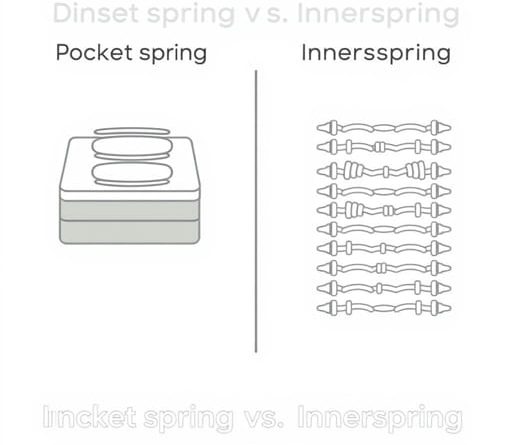
Difference Between Pocket Spring And Innerspring
Choosing the right mattress can have a significant impact on sleep quality and overall comfort, especially when it comes to spring-based options. Among the most common types are pocket spring and innerspring mattresses. While both utilize coil systems to provide support, the way they are constructed and how they respond to body movement differ significantly. Understanding the difference between pocket spring and innerspring mattresses can help consumers make an informed choice based on comfort preferences, durability, support needs, and budget.
Understanding the Basics of Spring Mattresses
What Are Spring Mattresses?
Spring mattresses, also known as coil mattresses, have been a staple in the bedding industry for decades. They rely on metal coils to provide structural support and firmness. Over time, spring mattress technology has evolved, resulting in different types of coil systems that affect performance, comfort, and motion isolation.
Two Popular Types: Pocket Spring and Innerspring
Pocket spring and innerspring mattresses are both designed around the use of metal coils, but the way those coils are arranged and interact with each other leads to very different sleeping experiences. Let’s explore what sets them apart.
Pocket Spring Mattresses
Design and Structure
A pocket spring mattress is made up of hundreds or even thousands of individual coils, each encased in its own fabric pocket. These coils are not connected to one another directly, which allows them to move independently. This design is often referred to as independent coil or encased coil technology.
Advantages of Pocket Springs
- Motion Isolation: Since each spring moves independently, motion transfer is minimal. This makes pocket spring mattresses ideal for couples, as movement on one side is less likely to disturb the other.
- Support: The independent response of the coils allows for targeted support, adapting to the body’s contours and relieving pressure points.
- Durability: High-quality pocket spring mattresses tend to maintain their shape and comfort level for many years.
- Breathability: Air flows well through the spaces between springs, helping regulate temperature during sleep.
Disadvantages of Pocket Springs
- Cost: Pocket spring mattresses are generally more expensive due to their advanced construction and materials.
- Weight: The additional materials used to encase each coil can make these mattresses heavier and harder to move.
Innerspring Mattresses
Design and Structure
Innerspring mattresses use a network of interconnected coils, usually in an open or continuous coil design. These coils are linked together by wire, which causes them to move in unison when weight is applied. This is a more traditional mattress design that is still popular due to its affordability and firmness.
Advantages of Innerspring Mattresses
- Affordability: Innerspring mattresses are generally less expensive than pocket spring versions, making them more accessible for budget-conscious shoppers.
- Firmness: The interconnected coils create a uniform surface that offers firm support, which some sleepers especially back or stomach sleepers prefer.
- Availability: These mattresses are widely available in a variety of styles and firmness levels.
Disadvantages of Innerspring Mattresses
- Motion Transfer: Because the springs are connected, movement in one area can easily be felt across the mattress, which may disrupt sleep for couples.
- Less Contouring: Innerspring mattresses don’t conform to the body as well as pocket spring versions, which can lead to pressure points and discomfort.
- Shorter Lifespan: These mattresses may wear out or sag more quickly, especially if made with lower-quality materials.
Key Differences Between Pocket Spring and Innerspring
1. Coil Independence
In pocket spring mattresses, each coil acts independently. In innerspring mattresses, the coils are interconnected. This means pocket springs reduce motion transfer significantly, while innerspring coils tend to amplify it.
2. Support and Comfort
Pocket springs contour to the shape of your body, providing more personalized support and relieving pressure on joints. Innerspring coils offer more general support and are typically firmer across the surface.
3. Durability
Because of their isolated coil design and premium materials, pocket spring mattresses tend to last longer than standard innerspring options, which are more susceptible to sagging over time.
4. Cost
Innerspring mattresses are usually more budget-friendly. Pocket spring models come with a higher price tag but often provide better performance, especially for sensitive sleepers.
5. Temperature Control
Both types allow for good airflow, but innerspring mattresses with fewer layers may feel cooler. Pocket springs often include additional comfort layers that could trap heat, although many brands now incorporate cooling technology.
Which One Should You Choose?
Consider Sleeping Position
- Back Sleepers: May appreciate the uniform support of an innerspring mattress.
- Side Sleepers: Often benefit from the contouring and pressure relief of a pocket spring mattress.
- Stomach Sleepers: Typically prefer firmer support, which innerspring mattresses provide.
Think About Partner Disturbance
If you sleep with a partner and are sensitive to movement, pocket spring mattresses are better at isolating motion, making them the preferred choice for light sleepers.
Budget and Longevity
If you’re looking for an affordable mattress and don’t mind a shorter lifespan, an innerspring model may suffice. If you’re investing in long-term comfort and support, a pocket spring mattress is worth the higher cost.
When comparing the difference between pocket spring and innerspring mattresses, the right choice comes down to personal preferences, sleep habits, and budget. Pocket spring mattresses offer superior comfort, motion isolation, and longevity, making them a great option for those seeking a premium sleep experience. Innerspring mattresses, on the other hand, provide firm support and affordability, ideal for shoppers looking for basic functionality at a lower cost. By understanding how each type works and what each offers, you can select the mattress that best supports your sleep and lifestyle needs.