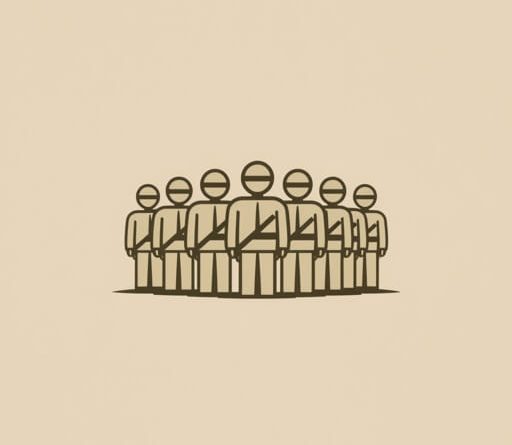
What Is The Meaning Of Platoon
The word ‘platoon’ is often associated with the military, evoking images of disciplined soldiers working together in a coordinated unit. However, the meaning of platoon extends beyond just its military usage. Understanding what a platoon is, where the term originates, and how it is used in different contexts can help broaden your knowledge of language and organizational structures. This topic explores the meaning of platoon, its historical background, modern applications, and examples to provide a deeper understanding of this term.
Definition of Platoon
A platoon is a small military unit that typically consists of two or more squads or sections, usually led by a lieutenant. It is considered a subdivision of a company, designed to operate as a tactical unit within larger military operations. In most armies, a platoon is made up of about 20 to 50 soldiers, depending on the country and branch of service.
The term emphasizes teamwork, coordination, and the ability to execute missions effectively as part of a larger force. A platoon is a critical link between individual soldiers and higher-level formations like companies and battalions.
Key Characteristics of a Platoon
- Usually consists of multiple squads or sections.
- Led by a platoon commander, often a lieutenant or second lieutenant.
- Serves as an operational unit within a company.
- Designed for flexibility and tactical mobility in various combat situations.
Origin and Etymology
The word ‘platoon’ comes from the French term ‘peloton,’ meaning ‘small ball’ or ‘little group.’ Historically, it referred to a small body of soldiers within a larger formation. Over time, the term evolved to describe a distinct military unit designed for tactical deployment. Its roots highlight the concept of a tight-knit, compact group capable of acting cohesively.
Platoon in the Military Context
In the military, a platoon plays a vital role in bridging the gap between small squads and larger companies. Its structure allows for efficient command and control while maintaining adaptability in the field. A platoon typically operates under the direction of a company commander but has enough autonomy to carry out independent tasks when required.
Types of Platoons
- Infantry Platoon: Composed primarily of foot soldiers trained for ground combat operations.
- Armored Platoon: Equipped with tanks or armored vehicles for heavy combat scenarios.
- Support Platoon: Provides logistical, medical, or engineering support to combat units.
- Special Forces Platoon: Highly trained for specialized missions such as reconnaissance or counter-terrorism.
Platoon Structure
While the structure can vary between countries and branches, a typical platoon includes a platoon leader, a platoon sergeant, and several squad leaders. Each squad within the platoon consists of soldiers assigned specific roles such as riflemen, machine gunners, or medics.
Roles Within a Platoon
- Platoon Leader: Responsible for overall command and tactical decisions.
- Platoon Sergeant: Assists the leader, manages logistics, and ensures discipline.
- Squad Leaders: Lead smaller groups within the platoon and execute orders from the platoon leader.
- Soldiers: Carry out specific tasks and roles that contribute to the unit’s effectiveness.
Platoon Beyond the Military
Although ‘platoon’ is primarily a military term, it has been adopted in other contexts to describe groups that work closely together. In some police forces, a platoon refers to a unit assigned to specific duties such as crowd control or riot response. The term is also occasionally used in sports or business environments to emphasize teamwork and coordination among small groups.
Platoon in Popular Culture
The concept of a platoon has been widely depicted in movies, books, and documentaries. One famous example is the film ‘Platoon,’ which portrays the experiences of soldiers during the Vietnam War. Such representations often focus on the bonds formed within these units and the challenges they face in combat situations.
Examples of Platoon in Sentences
- ‘The platoon moved swiftly through the forest to reach their objective.’
- ‘During the training exercise, each platoon demonstrated different tactical maneuvers.’
- ‘The police platoon was dispatched to maintain order during the large public event.’
Importance of Platoons in Military Operations
Platoons are crucial for effective military strategy because they balance manpower with maneuverability. They are small enough to be flexible yet large enough to perform complex tasks. This makes them essential in combat operations, peacekeeping missions, and training exercises.
Advantages of Platoon Organization
- Encourages strong teamwork and cohesion among members.
- Facilitates better communication between command levels.
- Allows for rapid response to changing battlefield conditions.
- Provides a clear structure for leadership and decision-making.
Platoon as a Symbol of Unity
Beyond its practical role, a platoon symbolizes unity, discipline, and mutual support. Members of a platoon often form deep bonds through shared experiences, training, and challenges. This sense of camaraderie is one of the defining aspects of military life and highlights the human element behind the term.
Lessons from Platoon Dynamics
The structure and function of a platoon offer lessons that can apply to everyday life and work environments. Collaboration, clear communication, and shared responsibility are principles that extend far beyond the battlefield. Observing how platoons operate can inspire better teamwork and leadership in civilian settings.
Summary
The meaning of platoon goes beyond being just a military term. It represents a small but vital unit designed for tactical efficiency, leadership development, and strong teamwork. From its French origins to its modern usage in various military and civilian contexts, the term carries with it ideas of unity, discipline, and organization. Whether describing soldiers on the battlefield or a close-knit group in another field, ‘platoon’ underscores the importance of collaboration and structure in achieving common goals.