Maidservant Opposite Gender Word
In English, certain occupational titles have traditional gender associations, which means the word used to describe a person performing a particular job may change depending on their gender. One common example is the term ‘maidservant,’ which historically refers to a female domestic worker responsible for household chores and assistance. Understanding the opposite gender term for ‘maidservant’ and exploring related vocabulary not only clarifies language use but also sheds light on cultural and historical contexts.
The Meaning of Maidservant
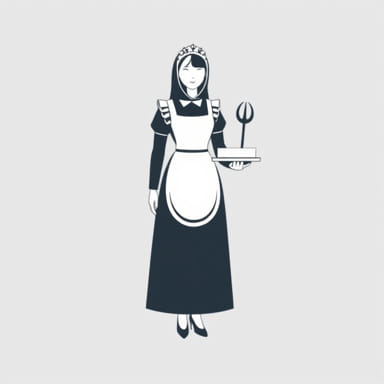
The word ‘maidservant’ combines ‘maid,’ meaning a young woman or girl, with ‘servant,’ indicating someone employed to perform domestic duties. Together, ‘maidservant’ traditionally refers to a female servant employed in a household to perform tasks such as cleaning, cooking, and general assistance. This term is somewhat old-fashioned today but remains relevant in historical and literary contexts.
Roles and Responsibilities
A maidservant’s duties often included cleaning rooms, washing clothes, cooking meals, and attending to the needs of the household members. The position was an essential part of many households, especially in earlier centuries where live-in domestic help was common.
Opposite Gender Word for Maidservant
The opposite gender term for ‘maidservant’ is generally ‘manservant’ or ‘valet,’ depending on the role and context. These words refer to male domestic workers who perform similar or complementary duties to a maidservant.
Manservant
‘Manservant’ is a direct male equivalent of ‘maidservant.’ It refers to a male domestic worker employed to perform household tasks, including cleaning, serving meals, or assisting the employer. Like ‘maidservant,’ the term ‘manservant’ is somewhat archaic and more commonly found in historical literature.
Valet
While ‘manservant’ covers a broad range of duties, the term ‘valet’ specifically describes a male servant who attends to the personal needs of his employer, such as assisting with dressing, grooming, and caring for clothing. Valets were often personal attendants to men of high social status.
Comparison Between Maidservant and Manservant
Although both terms indicate domestic workers, the roles historically varied slightly according to gender expectations and societal norms.
Typical Duties of a Maidservant
- Cleaning and maintaining the household
- Cooking and kitchen assistance
- Laundry and ironing clothes
- Serving meals and attending to family members
Typical Duties of a Manservant
- Assisting with household maintenance
- Serving meals and managing wine or drinks
- Personal attendance to the employer, such as helping with clothing or travel arrangements
- Security or other specialized tasks in some households
These roles overlap but often differ in responsibilities based on traditional gender roles of the time.
Modern Terminology and Gender-Neutral Alternatives
In modern English, many traditional terms like ‘maidservant’ and ‘manservant’ have fallen out of everyday use. Today, more neutral and inclusive terms are preferred, reflecting changes in societal views on gender and employment.
Housekeeper
‘Housekeeper’ is a gender-neutral term referring to someone employed to manage or maintain a household. It covers duties such as cleaning, cooking, and organizing, regardless of the worker’s gender.
Domestic Worker
‘Domestic worker’ is another neutral term that includes all employees working within a home, whether their duties involve cleaning, cooking, childcare, or personal assistance.
Personal Assistant or Caregiver
In cases where the role involves personal care or management, terms like ‘personal assistant’ or ‘caregiver’ are common and gender-neutral.
The Historical Context of Maidservant and Manservant
Understanding these terms also involves recognizing their historical and cultural contexts. In the past, many wealthy households employed numerous servants, each with specific roles and titles.
Social Class and Servitude
Maidservants and manservants were often part of the servant class, which played a crucial role in maintaining the lifestyle of the upper class. The distinction between male and female servants also reflected the rigid gender roles of earlier societies.
Literary References
Many classic novels and plays mention maidservants and manservants, often highlighting the dynamics between employers and servants or the social hierarchy within households. For example, maidservants are prominent in works like Jane Austen’s novels, while manservants and valets appear frequently in British literature.
Common Related Terms and Their Gender Opposites
Besides maidservant and manservant, English has several other occupational words with gendered pairs:
- Butler (male)Housekeeper (female): The butler traditionally managed the male-oriented household tasks, while housekeepers managed domestic chores.
- Chauffeur (male)Driver (neutral): Chauffeur usually refers to a male driver, though ‘driver’ is more gender-neutral.
- Waiter (male)Waitress (female): Common in the food service industry.
These pairs illustrate how English vocabulary has evolved but still retains some gender distinctions in certain contexts.
Why Understanding Gendered Opposites Matters
Being aware of the opposite gender words for terms like ‘maidservant’ is important for effective communication and cultural literacy. It helps when reading historical texts, watching period dramas, or understanding older literature. Additionally, it supports more precise use of language in various contexts, whether formal or informal.
Communication Clarity
Knowing the gender opposite of ‘maidservant’ allows speakers to describe situations accurately. For example, distinguishing between a manservant and a maidservant clarifies the gender and possibly the role of the domestic worker.
Respect and Sensitivity
Language shapes perceptions, so using appropriate terms helps avoid misunderstandings or unintended offense, especially when discussing historical roles or contemporary jobs with gender implications.
The term ‘maidservant’ traditionally refers to a female domestic worker, and its opposite gender word is generally ‘manservant’ or ‘valet,’ depending on the duties involved. These terms reflect historical gender roles in domestic service but are less common today. Modern language favors gender-neutral expressions like ‘housekeeper’ or ‘domestic worker.’ Understanding these terms and their opposites provides valuable insight into the evolution of language, cultural norms, and social history, while promoting clearer and more inclusive communication in contemporary contexts.