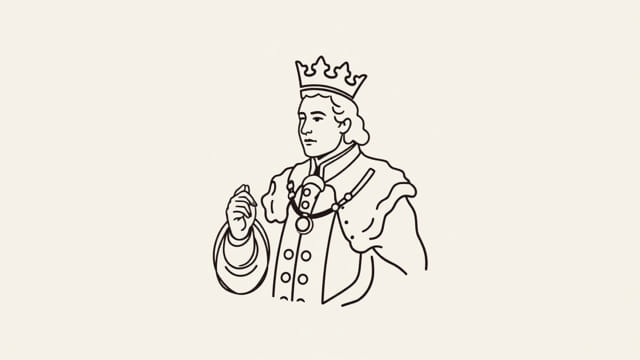
Louis Xvi Extravagant Spending
The reign of Louis XVI of France is often remembered not only for the collapse of the French monarchy but also for his lavish lifestyle and irresponsible financial decisions. As the nation plunged deeper into economic distress, the king’s extravagant spending became a symbol of royal excess and detachment from the suffering of ordinary citizens. Understanding the consequences of Louis XVI’s extravagant spending is crucial for exploring the roots of the French Revolution and the end of the Bourbon monarchy.
Louis XVI and the French Monarchy
Louis XVI ascended the throne in 1774 at the age of twenty. He inherited a country already burdened with debt from previous wars, including the costly Seven Years’ War. However, rather than addressing France’s economic problems with restraint, he continued to support a lifestyle of splendor typical of the ancien régime. Versailles remained the center of court life, filled with constant entertainment, elaborate ceremonies, and luxury for the nobility.
The Cost of the Court at Versailles
The palace of Versailles, constructed by Louis XIV, was a monumental symbol of royal grandeur. Maintaining it required immense resources. Louis XVI did little to reduce these costs, despite the growing financial strain. Each year, millions of livres were spent on court festivities, hunting parties, banquets, and royal pensions for nobles and courtiers.
Servants, gardeners, cooks, and a range of other staff were employed in the thousands. Gilded rooms, tailored clothing for the royal family, and artistic commissions all added to the expenses. The court was more than a place of residence it was an economic black hole at a time when the rest of France faced hunger and unemployment.
Marie Antoinette’s Influence and Spending Habits
Queen Marie Antoinette, wife of Louis XVI, further contributed to the monarchy’s reputation for extravagance. Though she was unfairly blamed for many of France’s economic problems, her own excessive lifestyle did not help public perception. Known as Madame Deficit, she purchased costly dresses, accessories, and furniture, and maintained her own private retreat the Petit Trianon within Versailles.
The queen also organized private theatrical performances, gambling parties, and lavish balls. These activities were resented by the populace, who saw her as an Austrian outsider indifferent to French hardship. While her expenses were only a part of the monarchy’s total spending, they were highly visible and became a focus of widespread criticism.
The Role of Fashion and Prestige
In 18th-century France, appearances and symbolism were essential to power. The clothing of Louis XVI and Marie Antoinette reflected their status. The royal couple wore silk, lace, and jewels, frequently ordering custom attire from the finest Parisian designers. Even royal portraits were carefully constructed to emphasize opulence and authority.
This focus on image had a real cost. The tailors, artists, jewelers, and suppliers required regular payment, and bills for royal fashion were routinely in the tens of thousands of livres. Such spending would seem reckless even in a time of plenty, but amid financial crisis, it was catastrophic.
Support for the American Revolution
One of Louis XVI’s most significant financial missteps was his support for the American colonies during the American Revolutionary War (17751783). France saw an opportunity to weaken its long-time rival, Britain, by aiding the Americans. While this political strategy had its merits, the financial toll on France was devastating.
The war cost the French treasury approximately 1.3 billion livres. Military expenditures included the deployment of troops, naval operations, and the supply of arms and resources. The funds were borrowed, deepening national debt. Ironically, this move to promote liberty overseas helped sow revolution at home, as France’s economic condition further deteriorated.
Failure to Reform Royal Finances
Several ministers attempted to reform France’s tax and spending systems. Finance ministers like Turgot, Necker, and Calonne proposed measures to reduce court expenses, tax the privileged classes, and reform feudal obligations. However, Louis XVI often hesitated or backed down in the face of noble resistance.
The Estates-General, convened in 1789, was a last-ditch effort to resolve the financial crisis, but it instead ignited revolutionary fervor. The Third Estate, representing commoners, broke away and formed the National Assembly. The king’s inability to curb his spending or implement reforms destroyed trust in the monarchy’s competence.
Public Outrage and Propaganda
The public was acutely aware of the monarchy’s extravagance. Pamphlets, newspapers, and satirical cartoons criticized Louis XVI and Marie Antoinette. The contrast between the elite lifestyle and the daily suffering of peasants and urban workers stoked rage. Hunger, unemployment, and taxation created a volatile environment where blame fell squarely on the king.
As economic conditions worsened, revolutionary leaders used royal extravagance to galvanize the people. Phrases like Let them eat cake, though likely never spoken by Marie Antoinette, captured the perceived arrogance of the monarchy. Extravagant spending had not just drained France’s coffers; it had destroyed royal legitimacy.
The Fall of the Monarchy
By 1791, the monarchy had lost the confidence of the people. Louis XVI’s attempted escape to Varennes was seen as a betrayal. In 1792, the monarchy was abolished, and the First French Republic was declared. In January 1793, Louis XVI was executed by guillotine, followed by Marie Antoinette in October of the same year.
The extravagance of the royal court was not the sole cause of the French Revolution, but it was a powerful symbol of systemic injustice. The perception that the king and queen lived in luxury while ordinary people starved was a critical factor in the uprising. Louis XVI’s failure to control spending reflected a broader failure of governance that led to revolution and the end of absolute monarchy in France.
Legacy of Extravagant Spending
Today, historians continue to examine the impact of royal spending on the French Revolution. Louis XVI’s reign is often cited as a cautionary tale about the dangers of government excess and social inequality. His inability to implement meaningful reform, combined with relentless spending, made revolution all but inevitable.
The palace of Versailles remains a testament to the splendor of the French monarchy, but it also serves as a reminder of its downfall. Louis XVI’s extravagant spending helped fuel the political and economic tensions that led to a dramatic shift in French history and influenced revolutions across the world.
Louis XVI’s reign is inseparable from the financial turmoil that plagued late 18th-century France. While his intentions may not have been malicious, his actions revealed a deep disconnect from the realities of his people. His extravagant spending, especially during a time of crisis, played a pivotal role in the collapse of the monarchy and the eruption of the French Revolution. Understanding this period is essential for recognizing how unchecked privilege, economic mismanagement, and resistance to reform can ignite profound social and political change.