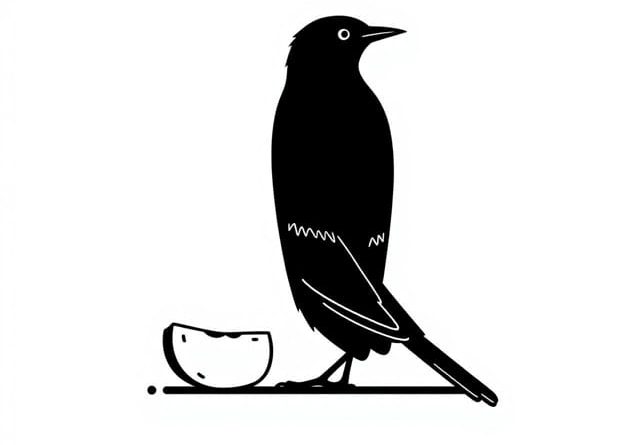
A Butcher And Blackbird
In folklore and literature, the image of a butcher and a blackbird often carries symbolic weight, blending everyday life with elements of mystery and moral lessons. This combination appears in old rhymes, fables, and cultural tales, where the butcher represents practicality and sustenance while the blackbird embodies freedom, cleverness, or even mischief. Together, they form a narrative pairing that has been interpreted in various ways across different traditions. Exploring the themes behind a butcher and blackbird offers insights into cultural symbolism, storytelling techniques, and the connection between humans and nature in shared narratives.
Historical Context of the Butcher and Blackbird Motif
The pairing of a butcher and a blackbird is not random. In historical storytelling, butchers often symbolized labor, survival, and the material needs of society. Blackbirds, on the other hand, appeared in songs and poems as creatures of the wild, representing instinct and independence. When combined, they created stories that explored the tension between civilization and nature, control and freedom, or even human cunning versus animal wit. This motif can be traced to European folklore and nursery rhymes, with echoes in oral traditions passed down over generations.
Appearance in Nursery Rhymes
One of the most famous associations is the old rhyme involving four and twenty blackbirds baked in a pie, where blackbirds were symbolic rather than literal. In some versions of such rhymes, the butcher is involved as the one preparing or catching the birds, highlighting the practical versus the poetic. These stories often used simple imagery to convey deeper lessons about resourcefulness, sharing, and the balance between humanity and the natural world.
Symbolism of the Butcher
The butcher is a figure grounded in reality. As someone who provides food, the butcher represents necessity, survival, and the transformation of raw resources into sustenance. In literary contexts, the butcher can also symbolize choices and consequences, as their role involves taking life to preserve another. This symbolism makes the butcher a powerful character in fables and morality tales, especially when contrasted with a blackbird’s vitality and freedom.
- Provider of SustenanceReflects the basic human need for nourishment and survival.
- Agent of TransformationRepresents the process of turning nature into something usable for society.
- Moral DecisionsHighlights ethical choices, often linked to life and death in storytelling.
Symbolism of the Blackbird
The blackbird has long been a symbol of mystery and intelligence in folklore. Its dark plumage and melodic song make it a creature often associated with secrets, omens, or wisdom. In tales featuring a butcher and a blackbird, the bird often serves as a counterbalance to the butcher’s practicality, introducing themes of freedom, cleverness, and unpredictability.
- Freedom and NatureThe blackbird embodies the wild, unbound aspect of life beyond human control.
- IntelligenceIn many stories, the blackbird outsmarts humans, representing cunning and adaptability.
- TransformationIts song and flight are often metaphors for change, hope, or spiritual growth.
Narrative Themes in Stories of a Butcher and Blackbird
When these two figures meet in a story, the result is often a lesson in balance. The butcher may attempt to capture or control the blackbird, only to learn a lesson in humility or respect for nature. Alternatively, the blackbird may help the butcher discover generosity or cleverness in solving a problem. These stories often revolve around moral choices, human limitations, and the coexistence of practical needs with the untamed beauty of the natural world.
Common Themes Found in Such Tales
- Balance Between Man and NatureThe interaction highlights the need to respect the natural world while meeting human needs.
- Cleverness and WitOften, the blackbird’s intelligence challenges human assumptions, leading to unexpected outcomes.
- Ethical LessonsThe butcher’s role often brings moral questions about necessity, survival, and compassion.
Cultural Variations of the Butcher and Blackbird Story
Different cultures adapt this pairing in unique ways. In some traditions, the blackbird is seen as a trickster figure, testing the butcher’s patience or morals. In others, the butcher is portrayed as a humble worker who learns to coexist with nature through the bird’s influence. These variations reflect cultural attitudes toward animals, work, and moral values, showing how a simple story can carry different meanings depending on the society telling it.
European Folklore
In European folklore, especially in rural settings, the butcher often represents the community’s lifeline for food, while the blackbird is a messenger or omen. Their interaction could symbolize the relationship between survival and the unseen forces of nature.
Modern Interpretations
Contemporary literature sometimes uses the butcher and blackbird motif metaphorically, exploring themes like industrialization versus the environment or humanity’s struggle to maintain balance with ecological systems. This shows how timeless the symbolism remains, even as contexts change.
Lessons from the Butcher and Blackbird
At its heart, the story of a butcher and blackbird teaches readers about duality and coexistence. The butcher’s grounded, material role and the blackbird’s free-spirited essence complement and challenge each other. These stories often end with a reminder that survival and freedom, practicality and beauty, can coexist if approached with understanding and respect.
Key Takeaways
- Human survival depends on both control over and respect for nature.
- Cleverness and adaptability are valuable traits, often embodied by the blackbird.
- Practical roles like the butcher’s can hold deep moral and symbolic meaning in storytelling.
The tale of a butcher and blackbird may seem simple at first glance, but it carries layers of cultural, moral, and symbolic significance. It reflects the eternal dance between practicality and freedom, human need and nature’s autonomy. Whether in old nursery rhymes, folklore, or modern retellings, this pairing continues to resonate because it speaks to universal truths about balance, respect, and the lessons found in everyday encounters. Through the humble butcher and the clever blackbird, stories remind us of the interconnectedness of life and the wisdom hidden in even the simplest narratives.