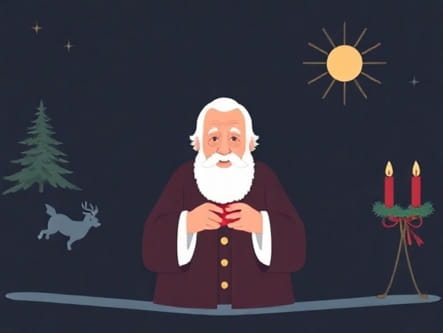
A Christmas Carol Simon Callow
A Christmas Carol has long been celebrated as one of the most enduring holiday stories, enchanting audiences with its timeless themes of redemption, compassion, and the transformative power of the human spirit. Among the many adaptations of Charles Dickens’ classic tale, the rendition featuring Simon Callow stands out for its compelling performance and heartfelt interpretation. Callow’s portrayal brings a unique depth to the narrative, capturing both the somberness of Ebenezer Scrooge’s initial despair and the warmth of his eventual redemption. This adaptation has become a favorite among audiences who appreciate the blend of classic storytelling with nuanced acting, offering a memorable experience for both long-time fans and newcomers to the story.
The Timeless Story of A Christmas Carol
Charles Dickens’ A Christmas Carol, first published in 1843, tells the story of Ebenezer Scrooge, a miserly old man whose cold-hearted outlook on life begins to change after visits from three ghosts on Christmas Eve. The narrative explores themes of greed, regret, generosity, and transformation, providing moral lessons that remain relevant in contemporary society. Each ghost the Ghost of Christmas Past, Present, and Yet to Come serves as a mirror to Scrooge’s choices, prompting him to confront his own behavior and inspiring him to embrace empathy and kindness.
Simon Callow’s Interpretation
Simon Callow, a distinguished British actor known for his extensive theater and film work, brings a distinct presence to the character of Scrooge. His portrayal is marked by subtlety, depth, and emotional resonance, allowing audiences to witness the internal struggle of a man grappling with his past mistakes and present choices. Callow’s nuanced performance makes Scrooge both relatable and compelling, highlighting the complexity of human nature and the potential for personal growth. By embodying the transformation from cold-hearted miser to compassionate benefactor, Callow effectively conveys the story’s central message of redemption.
The Role of Supporting Characters
While Scrooge remains the central figure, the supporting characters play essential roles in shaping the narrative. Bob Cratchit, portrayed with warmth and sincerity, embodies the spirit of resilience and familial love. His relationship with his family, particularly his son Tiny Tim, underscores the stakes of Scrooge’s transformation and humanizes the consequences of his prior indifference. Other characters, such as Scrooge’s former love Belle and the various townspeople, provide additional context and contrast, enhancing the story’s moral and emotional impact.
The Ghosts of Christmas
The spectral visitors in A Christmas Carol are more than mere plot devices; they serve as symbolic guides through Scrooge’s moral journey. The Ghost of Christmas Past allows Scrooge to confront the formative experiences that shaped his avarice, evoking both nostalgia and regret. The Ghost of Christmas Present highlights the joys and struggles of those around him, emphasizing the impact of his actions on others. Finally, the Ghost of Christmas Yet to Come provides a chilling vision of mortality and consequence, compelling Scrooge to reevaluate his life. Together, these apparitions provide structure and depth to the narrative, guiding the protagonist and the audience toward a profound realization of empathy and social responsibility.
Visual and Theatrical Elements
In Simon Callow’s adaptation, the visual and theatrical elements are carefully crafted to complement the narrative’s emotional arc. Lighting, set design, and costume choices all contribute to the atmosphere, distinguishing between the gloomy isolation of Scrooge’s initial world and the vibrant warmth of his eventual transformation. Shadows and dim lighting underscore moments of fear or regret, while brighter, warmer tones accompany scenes of generosity and communal celebration. These visual contrasts not only enhance storytelling but also help convey the underlying themes of hope and renewal.
Music and Sound Design
Music and sound play a pivotal role in enriching the viewing experience. Carefully selected musical cues evoke the emotional tone of each scene, from the haunting presence of the ghosts to the joyous celebrations of Christmas. Sound effects, such as the clanging of chains or the rustle of spectral robes, add a tactile sense of presence, heightening the tension and reinforcing the supernatural elements. This careful attention to auditory detail ensures that audiences remain immersed in the story and emotionally connected to the characters’ journeys.
The Enduring Appeal of A Christmas Carol
A Christmas Carol continues to captivate audiences for several reasons. Its central themes of redemption, compassion, and the transformative potential of human kindness resonate across generations. The narrative structure is both straightforward and profound, allowing viewers to engage with the story on multiple levels emotionally, morally, and intellectually. Adaptations featuring performers like Simon Callow succeed in keeping the tale fresh and engaging, offering new interpretations while honoring Dickens’ original vision. The timeless quality of the story ensures that it remains relevant, inspiring reflection and goodwill each holiday season.
Lessons for Modern Audiences
Modern audiences can draw several valuable lessons from A Christmas Carol. The story emphasizes the importance of empathy, social awareness, and personal growth, reminding viewers that it is never too late to change for the better. Scrooge’s journey demonstrates that self-reflection, coupled with acts of kindness, can have a profound impact not only on the individual but also on the wider community. This universal message contributes to the enduring relevance of the story, making it a meaningful experience for viewers of all ages.
Simon Callow’s adaptation of A Christmas Carol stands as a testament to the enduring power of Dickens’ story. Through Callow’s compelling performance, the richly developed supporting characters, and the thoughtful use of theatrical and auditory elements, the adaptation brings to life the timeless tale of Ebenezer Scrooge’s redemption. The narrative’s emphasis on empathy, moral responsibility, and the transformative potential of human kindness continues to resonate with audiences worldwide. A Christmas Carol, especially in this adaptation, remains a quintessential holiday experience, blending timeless storytelling with remarkable performance and thoughtful production. By revisiting Scrooge’s journey each year, viewers are reminded of the enduring value of compassion, reflection, and the spirit of giving, ensuring that the story continues to inspire and delight for generations to come.