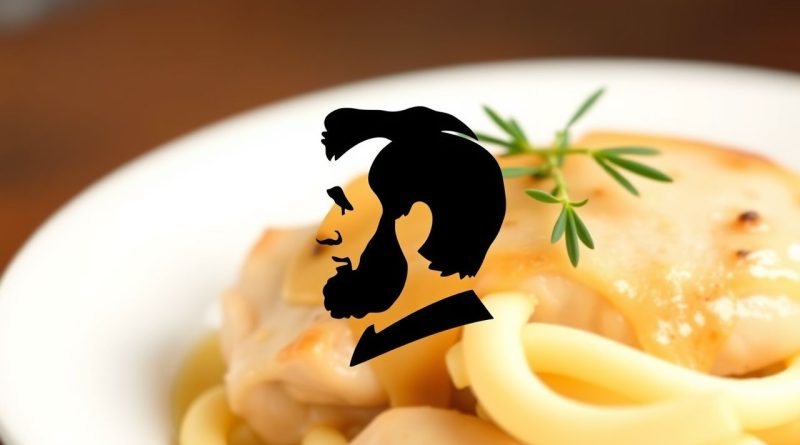
Abraham Lincoln Chicken Fricassee
Food has often played a unique role in history, connecting leaders and ordinary people alike. One interesting story that reflects this connection is the tale of Abraham Lincoln and chicken fricassee. Known as a favorite dish of the 16th President of the United States, chicken fricassee is more than just a recipe. It represents comfort, tradition, and the flavors of 19th-century America. By exploring Abraham Lincoln’s fondness for this dish, we also uncover a part of his personality, his humble tastes, and the culinary culture of the time.
Abraham Lincoln and His Simple Tastes
Abraham Lincoln was admired not only for his leadership during the Civil War but also for his modest lifestyle and personal character. Unlike many political figures of his era, he preferred simple, home-style meals. Friends and family often noted that he had no extravagant culinary desires. Instead, Lincoln enjoyed wholesome, hearty meals that reflected his upbringing in rural America.
Among his favorite foods, chicken fricassee was often mentioned. This dish, with its combination of tender chicken, creamy sauce, and gentle spices, symbolized warmth and comfort. It was the kind of meal that brought people together, making it fitting for a leader who valued unity and simplicity.
What Is Chicken Fricassee?
Chicken fricassee is a traditional dish that originated in European kitchens but became popular in the United States during the 19th century. It is a method of cooking that involves sautéing pieces of chicken, then simmering them in a sauce made with broth, cream, or wine. The result is a dish that is both rustic and elegant, balancing rich flavors with tender textures.
In Lincoln’s day, chicken fricassee was common in American households. It could be prepared with ingredients that were readily available on farms and in markets. For many families, it was a special meal for Sundays or gatherings, making it both practical and celebratory.
Typical Ingredients
- Chicken pieces, often bone-in for richer flavor
- Butter or lard for sautéing
- Onions, carrots, and celery for aromatic depth
- Flour to thicken the sauce
- Broth or stock as the base
- Milk, cream, or wine for richness
- Herbs such as parsley, thyme, or bay leaf
This combination created a dish that was both filling and flavorful, offering a perfect balance of protein, vegetables, and a satisfying sauce.
Historical Significance of the Dish
The association of Abraham Lincoln with chicken fricassee reflects the broader culinary traditions of 19th-century America. At that time, meals were often centered around hearty dishes that could feed a family and provide comfort after long days of work. For someone like Lincoln, who valued modesty and simplicity, such a dish suited his lifestyle perfectly.
It is also notable that chicken fricassee had European roots, particularly in French cuisine, yet adapted to American kitchens with local ingredients. This blending of traditions mirrored the United States itself, a nation built on diverse influences and practical adaptation.
Why Abraham Lincoln Loved Chicken Fricassee
Lincoln’s love for chicken fricassee can be understood through several perspectives. First, it was a dish rooted in simplicity. While it had elegance due to its creamy sauce and tender texture, it did not require expensive or rare ingredients. Second, it reminded him of home and family, as such dishes were commonly prepared in rural households. Finally, it was a dish that could bring comfort during stressful times, something Lincoln no doubt needed while navigating the challenges of leading a nation through war.
A Meal with Meaning
In the White House, meals were more than just food they were opportunities for conversation, diplomacy, and comfort. Serving chicken fricassee at Lincoln’s table represented a continuation of his personal values modesty, hospitality, and warmth. It showed that even in the highest office, he remained connected to his roots.
Traditional Recipe Style
While many variations exist, a traditional style of chicken fricassee from Lincoln’s era would have been straightforward. Here is a simple outline of how such a dish might have been prepared in the mid-19th century
Preparation Steps
- Cut a whole chicken into serving pieces.
- Lightly season with salt and pepper.
- Sauté the chicken in butter or lard until browned.
- Add onions, carrots, and celery, cooking until softened.
- Sprinkle flour over the mixture to create a roux.
- Gradually add broth, stirring to form a thick sauce.
- Simmer the chicken gently until fully cooked and tender.
- Finish with cream or milk, and season with herbs.
The result was a dish that could be served over biscuits, rice, or with bread, making it versatile and filling.
Chicken Fricassee in American Culture
Beyond Lincoln, chicken fricassee became a staple of American cuisine during the 19th and early 20th centuries. It appeared in cookbooks, household menus, and even in stories about family life. Its association with comfort made it a common choice for gatherings and special occasions.
Today, while it may not be as commonly prepared as in Lincoln’s time, chicken fricassee still holds a place in American culinary history. Food historians and enthusiasts often revisit the recipe to connect with the past, while home cooks continue to prepare it as a hearty, nostalgic meal.
Legacy of Abraham Lincoln’s Favorite Dish
The story of Abraham Lincoln’s chicken fricassee highlights how even the simplest meals can have historical importance. Just as his speeches and policies shaped the nation, his food preferences revealed his personal side humble, modest, and deeply connected to ordinary life. Knowing that a president favored a dish like chicken fricassee makes history more relatable, reminding us that leaders share the same comforts as the people they serve.
For many, cooking and eating chicken fricassee is not just about flavor, but about experiencing a piece of history. It allows people to imagine what meals at Lincoln’s table might have felt like, and to connect with the warmth of a dish that symbolized home.
Modern Interpretations
In modern kitchens, chicken fricassee can be prepared with a wide variety of twists. Some cooks add mushrooms, white wine, or garlic to deepen the flavors. Others use lighter methods, substituting olive oil for butter or milk for cream. Despite these variations, the essence of the dish remains the same tender chicken in a comforting sauce, served with love.
Restaurants sometimes feature chicken fricassee as a nostalgic dish, linking it to American culinary traditions and historic figures like Abraham Lincoln. In this way, the recipe continues to live on, bridging past and present.
Abraham Lincoln’s fondness for chicken fricassee adds a warm, human dimension to his legacy. This humble yet flavorful dish connected him to his roots, reflected his modest tastes, and offered comfort during challenging times. The story of Lincoln and chicken fricassee is a reminder that food is never just about sustenance it is about culture, history, and identity. By enjoying chicken fricassee today, we not only savor a classic recipe but also honor a tradition linked to one of America’s most admired leaders.