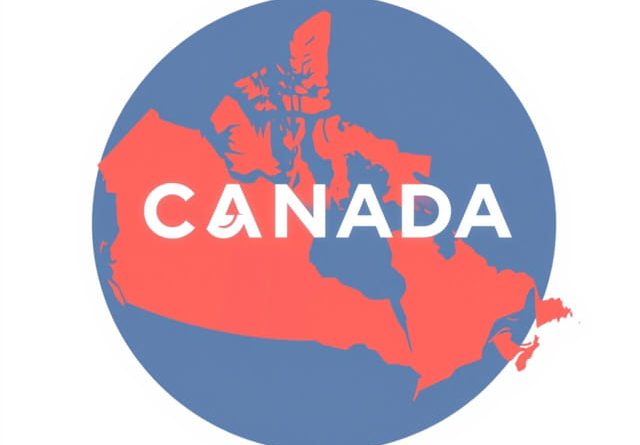
Biggest Province In Canada
Canada is a country of vast landscapes and diverse regions, known for its natural beauty, rich resources, and regional distinctions. Among its ten provinces and three territories, one stands out due to its immense size Quebec. Often misunderstood as just a French-speaking region, Quebec is not only culturally unique but also the biggest province in Canada by area. Its size, geography, and economic influence make it a significant part of the country’s identity. Exploring what makes Quebec the largest province reveals more about Canada’s structure, history, and regional development.
Understanding the Provincial Structure of Canada
Provinces vs. Territories
Canada is divided into provinces and territories. While territories like Nunavut and the Northwest Territories cover large areas, they are not provinces. Provinces have more constitutional power and autonomy under Canadian law. Quebec, being a province, holds authority over many areas such as education, health care, and civil law. This makes it an essential player in the national framework.
Land Area Comparison
In terms of land area, Quebec surpasses all other Canadian provinces. It spans approximately 1.54 million square kilometers, making it larger than countries like Mongolia or Peru. For comparison
- Quebec ~1,542,000 sq km
- Ontario ~1,076,000 sq km
- British Columbia ~944,000 sq km
- Alberta ~661,000 sq km
While the territories may seem bigger on the map, their status differs politically, which is why Quebec holds the title of the biggest province in Canada.
Geographic Features of Quebec
Diverse Landscapes
Quebec is known for its varied topography, ranging from the rocky Laurentian Mountains to vast boreal forests and thousands of lakes and rivers. The province has access to the Atlantic Ocean via the Gulf of St. Lawrence, which enhances its role in shipping and maritime activities.
Important Natural Regions
- Canadian ShieldCovers most of northern Quebec, rich in minerals and forests.
- St. Lawrence River ValleyA fertile and populated region that includes cities like Montreal and Quebec City.
- Hudson Bay LowlandsSparse and remote, yet significant for ecology and wildlife.
This geographic diversity influences the province’s economy, transportation, and even cultural practices in different regions.
Population Distribution
Low Population Density
Despite its size, Quebec does not have the highest population in Canada that distinction goes to Ontario. Much of Quebec’s land area is sparsely populated, with dense settlements located mainly in the southern part. The majority of people live along the St. Lawrence River, where the terrain is more hospitable.
Major Cities
- MontrealThe largest city in Quebec, known for its culture, commerce, and diverse population.
- Quebec CityThe capital of the province, rich in history and French heritage.
- Sherbrooke, Gatineau, and Trois-RivièresOther important urban centers contributing to the province’s economy and education.
These cities are hubs of activity in a province that otherwise has vast stretches of wilderness and uninhabited land.
Economic Importance of Quebec
Natural Resources
Quebec’s large size provides access to abundant natural resources. The province is a leader in hydroelectric power, forestry, and mining. The rivers and elevation changes are ideal for generating renewable energy, particularly hydroelectricity, which is exported to other provinces and the United States.
Industries and Trade
- HydropowerQuebec is home to some of the largest hydroelectric plants in North America.
- AerospaceMontreal is a global center for aerospace engineering and manufacturing.
- MiningNorthern Quebec has significant mineral deposits, including gold, iron, and rare earth elements.
- Forestry and PaperVast forest lands support pulp and paper production.
These industries benefit from the province’s large area, which provides the space and resources needed for sustained growth and investment.
Cultural and Political Identity
French Heritage
Quebec is the only province in Canada where French is the sole official language. This linguistic and cultural distinction shapes the province’s identity and policies. The French influence is evident in education, government, signage, and media.
Autonomy and Identity
Over the years, Quebec has pursued greater autonomy. The province has held referendums on independence, though it remains part of Canada. Its large size and economic strength give it a significant voice in federal matters, especially when it comes to preserving its distinct cultural identity.
Transportation and Infrastructure
Challenges of a Large Area
Managing infrastructure across such a vast area is a challenge. Remote regions often face difficulties with road access, healthcare delivery, and education. However, Quebec has invested heavily in highways, rail networks, and telecommunications to bridge this gap.
Major Infrastructure Projects
- Extensive highway systems linking the south to the north
- Hydroelectric dams and grids reaching remote communities
- Airports and seaports supporting trade and tourism
These projects reflect the province’s effort to integrate its vast landscape into a cohesive and accessible territory.
Environmental Stewardship
Preserving Natural Beauty
Being the largest province, Quebec holds many of Canada’s natural treasures. The government and local organizations work to protect biodiversity, support sustainable forestry, and manage protected areas. Quebec’s vast forests and wetlands play a crucial role in climate regulation and carbon capture.
Renewable Energy Leadership
Thanks to its size and geography, Quebec leads in renewable energy production. The use of hydropower reduces carbon emissions and sets an example for other regions aiming for green energy transitions. Its environmental policies emphasize conservation and long-term sustainability.
Quebec is not only the biggest province in Canada but also one of its most distinctive and influential. Its immense land area, diverse geography, rich natural resources, and unique cultural identity make it a vital part of the Canadian federation. Understanding the scale and scope of Quebec helps in appreciating its role in shaping Canada’s economy, politics, and environment. From the bustling streets of Montreal to the quiet northern forests, Quebec’s vastness is both a challenge and a source of pride. When one considers the largest province in Canada, Quebec stands unmatched in size, significance, and impact.