A Snail Is Classified As A
Snails are fascinating creatures that have intrigued scientists and nature enthusiasts for centuries. They are known for their slow movement, coiled shells, and distinct biological features. Understanding the classification of a snail helps in exploring its anatomy, behavior, ecological role, and evolutionary relationships with other organisms. While many people may only associate snails with garden pests or a slow pace, these creatures are complex mollusks with unique adaptations that allow them to survive in a variety of environments, from terrestrial gardens to freshwater streams and marine ecosystems.
Biological Classification of a Snail
In biological taxonomy, snails are classified systematically based on their shared characteristics with other animals. A snail belongs to the kingdom Animalia, as it is a multicellular, eukaryotic organism that consumes organic material for energy. Within this kingdom, snails are part of the phylum Mollusca, which includes soft-bodied animals such as clams, octopuses, and squids. Mollusks are characterized by their soft bodies, which are often protected by a hard shell. The class Gastropoda contains snails, distinguishing them from other mollusks due to their unique foot structure, torsion during development, and coiled shell.
Kingdom Animalia
Being a member of the kingdom Animalia, a snail is classified as an animal rather than a plant, fungus, or microorganism. Animals in this kingdom share certain traits, such as the ability to move voluntarily at some stage of life, specialized sensory organs, and heterotrophic nutrition, which means they obtain energy by consuming other organisms. This classification underscores the snail’s place among other living organisms and its role in the food chain.
Phylum Mollusca
The phylum Mollusca is one of the largest and most diverse groups of invertebrates. Members of this phylum have soft bodies, often with a muscular foot, a visceral mass containing internal organs, and a mantle that secretes the shell in shelled mollusks. Snails, like other mollusks, exhibit these features, which contribute to their survival and mobility. The diversity within Mollusca allows snails to inhabit various ecosystems, ranging from freshwater habitats to oceans and terrestrial landscapes.
Class Gastropoda
Within Mollusca, snails belong to the class Gastropoda. Gastropods are defined by their muscular foot used for locomotion, their coiled or uncoiled shells, and a phenomenon called torsion, where the body twists during development. This class includes both snails and slugs, highlighting their evolutionary relationship. The adaptations in gastropods, such as the shell for protection and slime secretion for movement, allow them to thrive in diverse environmental conditions.
Characteristics of Snails
Snails possess several unique characteristics that distinguish them from other animals and mollusks. Understanding these features is essential for proper classification and appreciation of their ecological role.
Shell Structure
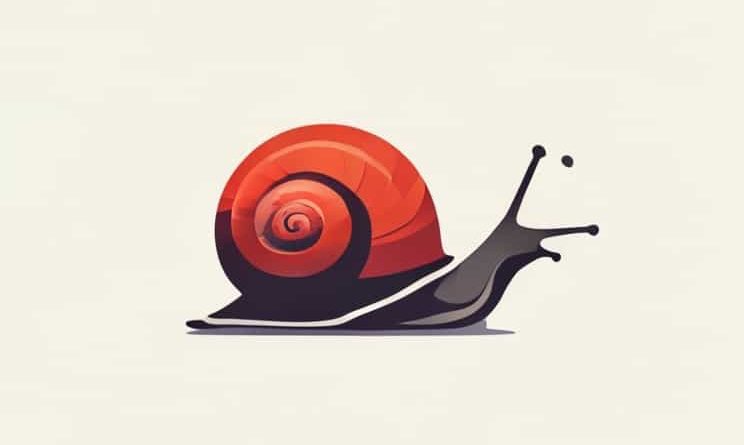
The most recognizable feature of a snail is its coiled shell. The shell serves multiple purposes, including protection from predators, environmental stress, and desiccation in terrestrial species. The shell is composed primarily of calcium carbonate and grows as the snail matures, forming a spiral shape that varies among species.
Locomotion
Snails move using a muscular foot located on the ventral side of their body. The foot produces wave-like contractions that allow the snail to glide slowly over surfaces. A layer of mucus secreted by the snail reduces friction and aids movement. This method of locomotion is unique among gastropods and is essential for their survival in terrestrial and aquatic habitats.
Feeding Habits
Snails are primarily herbivorous, feeding on plants, algae, and decaying organic matter, though some species are omnivorous or carnivorous. They use a radula, a ribbon-like structure with tiny teeth, to scrape food from surfaces. This adaptation is crucial for their feeding efficiency and helps define their ecological role as decomposers and primary consumers in many ecosystems.
Reproduction and Development
Most snails are hermaphrodites, possessing both male and female reproductive organs, though some species have separate sexes. Fertilization may occur internally, and many snails lay eggs in moist environments to ensure the survival of their offspring. Their developmental process, including torsion, is a defining characteristic of gastropods and distinguishes them from other mollusks.
Types of Snails
Snails are classified into different types based on habitat and anatomical features. Understanding these types helps in ecological studies and conservation efforts.
Terrestrial Snails
These snails live on land and are commonly found in gardens, forests, and grasslands. They are adapted to retain moisture and survive in varying temperatures. Terrestrial snails contribute to soil health by decomposing organic matter and recycling nutrients.
Freshwater Snails
Freshwater snails inhabit ponds, lakes, rivers, and streams. They play an important role in aquatic ecosystems, feeding on algae and detritus. Freshwater snails also serve as prey for fish, birds, and other wildlife, making them integral to the food web.
Marine Snails
Marine snails live in oceans and seas, exhibiting a wide range of adaptations to saltwater environments. Some are free-living, while others may bore into coral or attach to rocks. Marine snails are significant in maintaining marine biodiversity and contribute to the ecological balance of coral reefs and coastal ecosystems.
Ecological Importance of Snails
Snails play a vital role in ecosystems. As herbivores and decomposers, they help break down organic material, enriching the soil and promoting plant growth. They are also an essential food source for many animals, supporting biodiversity. Some species serve as bioindicators, reflecting the health of their environment by responding to changes in pollution, habitat loss, or climate conditions.
Human Interactions
Humans interact with snails in various ways. Certain snail species are considered pests in agriculture due to their plant-eating habits, while others are used in culinary dishes, particularly in European and African cuisines. Additionally, some snails contribute to scientific research and medical studies due to their unique physiology and regenerative capabilities.
In summary, a snail is classified as an animal within the kingdom Animalia, phylum Mollusca, and class Gastropoda. Its unique characteristics, including the coiled shell, muscular foot, radula, and reproductive adaptations, distinguish it from other animals and mollusks. Snails inhabit terrestrial, freshwater, and marine environments, performing vital ecological roles as herbivores, decomposers, and prey. Understanding their classification, behavior, and importance enhances our appreciation of these slow-moving but highly adaptive creatures, highlighting their significance in both natural ecosystems and human culture.