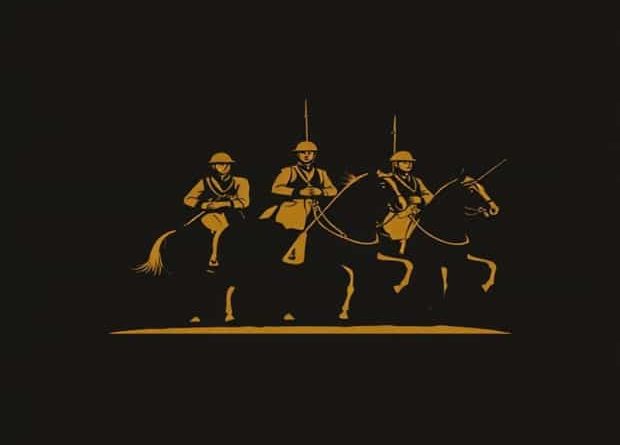
A Squadron The Queen’S Own Yeomanry
A squadron of The Queen’s Own Yeomanry carries a unique place in British military tradition, blending modern armored reconnaissance capabilities with a rich heritage rooted in volunteer cavalry regiments. It represents not only a combat-ready formation within the Army Reserve but also a living link to centuries of service by ordinary men and women who volunteered to protect their communities and nation. Understanding its structure, history, and role gives insight into how tradition and modern defense strategies coexist in the British Armed Forces.
Origins of The Queen’s Own Yeomanry
The Queen’s Own Yeomanry, often referred to as QOY, is part of the Royal Armoured Corps. It was formed in 1971 through the amalgamation of several distinguished yeomanry regiments with histories dating back to the late 18th and early 19th centuries. Yeomanry regiments were originally raised as volunteer cavalry units to defend Britain from invasion and maintain order at home. Over the decades, they evolved from horse-mounted troops into mechanized and armored reconnaissance forces.
By creating a squadron structure within The Queen’s Own Yeomanry, the British Army ensured flexibility and efficiency. Each squadron connects regional identity with operational readiness, drawing soldiers from communities across the North of England and the Midlands.
The Role of a Squadron in the Queen’s Own Yeomanry
A squadron within QOY functions as a sub-unit, typically consisting of several troops that work together during training exercises and operational deployments. Squadrons form the backbone of the regiment, providing both manpower and specialized skills required for reconnaissance missions. Their responsibilities include
- Conducting reconnaissance and gathering intelligence in support of larger formations.
- Operating armored vehicles designed for speed, mobility, and stealth.
- Training reservists to meet the same standards as regular soldiers.
- Maintaining links with local communities while preparing for national defense commitments.
Connection to the Army Reserve
One of the defining features of a squadron in The Queen’s Own Yeomanry is its role as part of the Army Reserve. Members balance civilian careers with military service, attending regular training evenings, weekend exercises, and annual camps. This dual identity reinforces the yeomanry tradition of citizen-soldiers, individuals who contribute to both their civilian professions and national defense.
Training and Equipment
Training is central to the effectiveness of any squadron within The Queen’s Own Yeomanry. Reservists undergo intensive instruction to ensure they can operate modern military equipment with confidence. The regiment is equipped with light armored vehicles that allow rapid movement and provide a strong platform for reconnaissance missions. Skills taught within the squadron include
- Navigation and communication in diverse environments.
- Vehicle operation and maintenance under challenging conditions.
- Weapons handling and live-fire exercises.
- Tactical reconnaissance and intelligence gathering.
- Leadership development for junior and senior ranks.
These skills allow squadrons to integrate seamlessly with regular army formations when deployed, ensuring they can support missions both domestically and overseas.
Community and Tradition
Each squadron of The Queen’s Own Yeomanry is tied closely to its local community. This bond is reflected in the recruitment of reservists from specific regions and in ceremonial roles that emphasize tradition. Parades, remembrance events, and public appearances highlight the heritage of the yeomanry while strengthening ties between the armed forces and the public. For many soldiers, serving in a squadron is not only about military training but also about honoring regional history and maintaining a sense of pride in local identity.
Deployment and Operational Contribution
Though composed of reservists, squadrons in The Queen’s Own Yeomanry have made significant contributions to recent operations. Members have been deployed alongside regular regiments in missions ranging from peacekeeping to combat support. Their ability to adapt quickly and provide valuable reconnaissance has made them an essential part of the modern British Army. These deployments demonstrate that reservist squadrons are more than symbolic units; they are practical, capable, and integral to national defense strategies.
Examples of Operational Roles
- Providing reconnaissance support during overseas peacekeeping missions.
- Supporting homeland defense and resilience operations in the United Kingdom.
- Augmenting regular army units with skilled personnel during global conflicts.
- Contributing to international exercises that strengthen alliances with partner nations.
The Importance of Reconnaissance
At the heart of a squadron’s mission within The Queen’s Own Yeomanry lies the task of reconnaissance. Gathering intelligence on enemy positions, terrain, and potential threats ensures that larger formations can make informed decisions. This function requires discipline, stealth, and technical skill, qualities developed through constant training. The effectiveness of reconnaissance squadrons demonstrates the continuing relevance of the yeomanry concept in modern warfare.
Leadership and Structure
Leadership within a squadron of The Queen’s Own Yeomanry mirrors the structure of the wider British Army. Commanding officers, typically at the rank of Major, oversee the squadron, supported by junior officers and non-commissioned officers who lead troops and sections. This structure ensures that even within a part-time reservist unit, professional standards are maintained and opportunities for leadership development are available to committed soldiers.
Why Join a Squadron of The Queen’s Own Yeomanry?
For many, joining a squadron of The Queen’s Own Yeomanry is about more than military service. It offers opportunities for personal development, professional training, and a sense of camaraderie. Soldiers gain transferable skills such as leadership, teamwork, and resilience, all of which benefit their civilian careers. The appeal also lies in being part of a historic tradition, carrying forward the legacy of the yeomanry while contributing to modern defense.
Key Benefits
- Access to world-class training and military equipment.
- Opportunities for overseas deployments and international exercises.
- A chance to serve the community while maintaining civilian life.
- Participation in ceremonial events that highlight historic traditions.
- Development of valuable life skills and lasting friendships.
The Continuing Legacy
A squadron of The Queen’s Own Yeomanry is more than a military unit; it is a bridge between past and present. Rooted in the traditions of cavalry volunteers yet equipped for modern reconnaissance, it symbolizes adaptability and resilience. Each squadron maintains the spirit of citizen-soldiers who balance duty with everyday life, ensuring that the yeomanry remains relevant in the 21st century. As global challenges evolve, the dedication of reservists within QOY squadrons will continue to play a vital role in national security and community identity.
The story of a squadron in The Queen’s Own Yeomanry reflects the balance between tradition and modernity. It demonstrates how historic regiments have transformed into capable, armored reconnaissance forces that contribute significantly to the British Army. By combining regional identity, reserve service, and operational readiness, these squadrons preserve the legacy of the yeomanry while adapting to contemporary defense needs. Their ongoing service ensures that the proud history of volunteer cavalry lives on in a form suited to today’s military challenges.