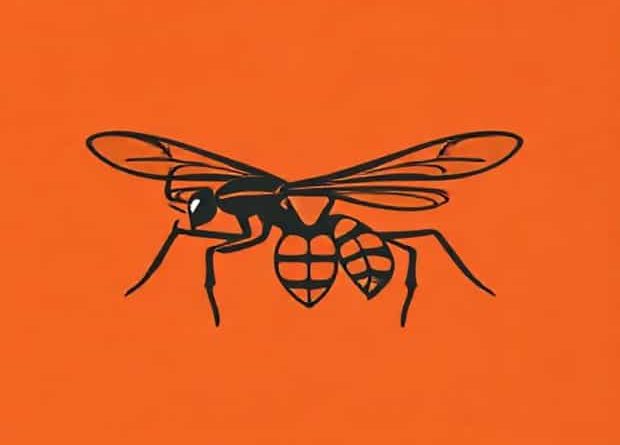
A Tarantula Hawk Wasp
The tarantula hawk wasp is one of the most fascinating and intimidating insects found in nature. Known for its striking appearance and powerful sting, this insect has captured the attention of scientists, nature enthusiasts, and even casual observers. Despite its fearsome reputation, the tarantula hawk plays an important role in the ecosystem, helping to control spider populations and maintaining balance in its environment. Understanding its characteristics, behavior, and significance can provide a deeper appreciation for this remarkable creature.
Physical Characteristics of the Tarantula Hawk Wasp
The tarantula hawk wasp is a large insect, with females often reaching up to two inches in length. Their glossy blue-black bodies and bright orange wings make them easily recognizable. These contrasting colors act as a warning to predators, signaling their painful sting. Males are generally smaller and less aggressive than females, but they share the same striking appearance.
The wasp has long legs with hooked claws, which help it grapple with its prey. Its antennae are also notable, often curled at the tips. The tarantula hawk’s intimidating look is not just for show; it reflects the wasp’s powerful adaptations for survival and hunting.
Habitat and Distribution
Tarantula hawk wasps can be found in warm climates across the globe. They are especially common in the deserts of the southwestern United States, Mexico, and parts of Central and South America. However, they can also be seen in Africa, Asia, and Australia. Their habitats usually include open fields, deserts, and areas with sparse vegetation where tarantulas and other large spiders are likely to live.
Behavior and Hunting Methods
The most famous aspect of the tarantula hawk wasp is its hunting strategy. Females actively seek out tarantulas, which are many times larger than themselves. Once a tarantula is located, the wasp engages in a fierce battle. Using its agility, the wasp maneuvers around the spider until it delivers a precise sting that paralyzes the tarantula without killing it.
After immobilizing the spider, the wasp drags it into a burrow or prepared nest. She then lays a single egg on the spider’s abdomen. When the egg hatches, the larva feeds on the paralyzed tarantula, consuming it slowly while avoiding vital organs to keep the spider alive for as long as possible. This ensures the larva has fresh food until it is ready to pupate and emerge as an adult wasp.
The Sting of the Tarantula Hawk
The sting of the tarantula hawk is considered one of the most painful stings of any insect. Although the sting is excruciating, it is not life-threatening to humans unless there is an allergic reaction. The pain is described as immediate, intense, and debilitating, but it usually subsides within a few minutes without lasting effects. For this reason, tarantula hawk wasps are rarely disturbed, as predators and humans alike avoid contact with them.
Diet Beyond Hunting
While the females hunt tarantulas for their offspring, adult tarantula hawk wasps primarily feed on nectar. They are often seen visiting flowers, contributing to pollination in their ecosystems. This dual role of predator and pollinator highlights their importance in maintaining ecological balance. Despite their aggressive hunting methods, they play a gentle and beneficial role when feeding from plants.
Reproduction and Life Cycle
The reproductive process of the tarantula hawk is unique and specialized. The entire cycle depends on the availability of tarantulas. Once the female secures a spider host and lays her egg, the larva develops by feeding on the tarantula. After completing its larval stage, the insect pupates and eventually emerges as an adult wasp, ready to continue the cycle.
Males, in contrast, do not hunt. They spend most of their lives feeding on nectar and waiting for females to mate. Their lifespan is generally shorter than that of females, but they play an essential role in ensuring the survival of the species.
Role in the Ecosystem
Tarantula hawk wasps contribute significantly to their environments. By preying on tarantulas, they help regulate spider populations, preventing overpopulation and maintaining ecological balance. At the same time, their pollination activities benefit flowering plants and contribute to biodiversity. This dual role makes them an essential component of the ecosystems where they are found.
Human Interaction and Cultural Significance
Humans often view the tarantula hawk with fear due to its sting and its association with large spiders. However, these wasps are not aggressive toward people and typically sting only when provoked. In some cultures, the tarantula hawk has symbolic significance, representing strength and resilience because of its ability to overcome prey larger than itself.
Entomologists and researchers study the tarantula hawk not only for its fascinating biology but also for its potential role in medical science. Some scientists are exploring the properties of its venom and how it interacts with the nervous system, which could lead to new insights in pain research.
Interesting Facts About the Tarantula Hawk Wasp
- The tarantula hawk wasp is the official state insect of New Mexico.
- Despite their large size and powerful sting, they are relatively docile and prefer to avoid confrontation with humans.
- Their sting ranks extremely high on the Schmidt Sting Pain Index, a scale used to measure insect sting pain.
- Males often gather in groups known as hilltopping, where they wait for females to pass by for mating opportunities.
The tarantula hawk wasp is a remarkable insect that combines beauty, power, and ecological importance. Its vivid colors, incredible hunting methods, and powerful sting have earned it a reputation as one of nature’s most extraordinary predators. Yet beyond its fearsome qualities, the tarantula hawk plays a valuable role as a pollinator and as a regulator of spider populations. By learning more about this insect, we can better appreciate the balance and complexity of the natural world.