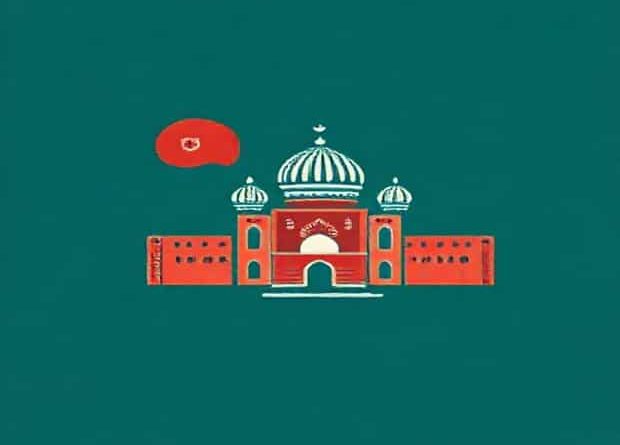
About Tajikistan In English
Tajikistan is a fascinating country located in Central Asia, known for its stunning mountains, deep valleys, and rich cultural traditions. Although it is one of the smaller nations in the region, it carries a unique identity shaped by its history, people, and natural landscapes. Learning about Tajikistan in English helps travelers, students, and curious readers discover more about a land that often remains less explored compared to its neighbors. From ancient Silk Road connections to modern-day challenges and opportunities, Tajikistan offers many stories worth understanding.
Geography of Tajikistan
Tajikistan is a landlocked country surrounded by Afghanistan to the south, China to the east, Kyrgyzstan to the north, and Uzbekistan to the west. Its terrain is dominated by mountains, with more than 90 percent of its land covered by ranges such as the Pamirs and the Alay mountains. This dramatic landscape makes Tajikistan one of the most mountainous countries in the world.
The Pamir Mountains
The Pamirs, often called the Roof of the World, are a defining feature of Tajikistan. These high-altitude ranges are home to snow-capped peaks, glaciers, and alpine lakes. The highest point in the country, Ismoil Somoni Peak, rises to over 7,000 meters and attracts adventurous climbers from across the globe. For local people, the mountains are not only a geographical feature but also part of their identity and way of life.
Rivers and Lakes
Tajikistan is rich in water resources, with rivers like the Amu Darya and the Panj flowing across its borders. These rivers are essential for agriculture and hydropower. The country also has beautiful lakes such as Lake Iskanderkul, named after Alexander the Great, and Lake Karakul, located in the high Pamirs. These natural features make Tajikistan a paradise for eco-tourism and adventure travel.
History and Heritage
Tajikistan’s history goes back thousands of years, with roots connected to the Persian Empire, the Silk Road, and various Central Asian dynasties. The people of Tajikistan are primarily of Persian descent, and their language, Tajik, is closely related to Persian and Dari.
Silk Road Connections
During the height of the Silk Road trade, Tajikistan was a crossroads where merchants, scholars, and travelers passed through. Cities and towns became melting pots of cultures, ideas, and traditions. This legacy is still visible today in the art, music, and architecture of the region.
Soviet Era
In the 20th century, Tajikistan became part of the Soviet Union. This period brought industrialization, education reforms, and infrastructure development. However, it also introduced challenges, such as the loss of traditional culture and dependence on Moscow. When the Soviet Union collapsed in 1991, Tajikistan gained independence but faced immediate difficulties.
Post-Independence Challenges
After independence, Tajikistan experienced a civil war from 1992 to 1997. The conflict left deep scars but also led to reconciliation and rebuilding. Since then, the country has been working on economic development, regional cooperation, and preserving stability despite ongoing challenges.
Culture of Tajikistan
Tajik culture is a blend of Persian traditions, Islamic influences, and Central Asian customs. Hospitality is a central value, and visitors are often welcomed warmly with tea, bread, and local dishes. Family and community play a vital role in everyday life.
Language and Literature
The official language is Tajik, written in the Cyrillic script. Poetry and storytelling hold an important place in Tajik culture. Classical Persian poets like Rudaki, who is considered the father of Persian poetry, were from the region that is now Tajikistan.
Music and Dance
Tajik music features traditional instruments such as the dutar and rubab. Folk songs and dances are often performed at weddings, festivals, and national celebrations. These cultural practices keep the heritage alive across generations.
Food Traditions
Tajik cuisine reflects the agricultural lifestyle of the people. Dishes like plov (a rice dish with meat and vegetables), qurutob (a bread and yogurt-based dish), and shashlik (grilled skewers) are common. Tea is an essential part of hospitality, often served with sweets, dried fruits, and nuts.
Economy and Development
Tajikistan’s economy relies heavily on agriculture, remittances from citizens working abroad, and hydropower. Cotton and wheat are major crops, while the country’s mountainous rivers provide opportunities for energy production. Many Tajiks work in Russia and other countries, sending money back home to support their families.
Hydropower Potential
Because of its abundant rivers, Tajikistan has significant potential for hydropower. The Rogun Dam, one of the world’s tallest dams, is a key project that aims to provide energy security and exports to neighboring countries.
Tourism Opportunities
Tourism is gradually growing in Tajikistan, with adventure travelers seeking trekking, mountaineering, and cultural experiences. The Pamir Highway, one of the highest roads in the world, attracts those looking for breathtaking scenery and unique encounters with local communities.
Religion and Traditions
Islam is the dominant religion in Tajikistan, with most people following Sunni Islam. Religious traditions blend with local customs, shaping daily life and community practices. Important holidays include Eid al-Fitr and Nowruz, the Persian New Year celebrated in spring with festivals, music, and feasting.
Modern Life in Tajikistan
Life in Tajikistan today is a balance between tradition and modernization. In the capital city, Dushanbe, modern buildings, cafes, and universities exist alongside bazaars and mosques. Rural areas remain more traditional, with agriculture and livestock as the main sources of livelihood.
Education and Youth
Education is valued in Tajikistan, with many young people aspiring to attend universities both at home and abroad. However, economic difficulties sometimes limit opportunities. International partnerships and scholarships help Tajik students pursue higher education.
Transportation and Infrastructure
Tajikistan’s rugged terrain makes transportation challenging, but new roads, tunnels, and bridges are improving connectivity. The Pamir Highway is both a lifeline for local communities and a highlight for adventurous travelers.
Why Visit Tajikistan
Tajikistan is a destination for those seeking authentic cultural experiences and unspoiled natural beauty. Unlike more commercialized tourist spots, it offers travelers a chance to connect deeply with landscapes and traditions. Hiking in the Fann Mountains, staying in a Pamiri guesthouse, or visiting ancient sites gives an unforgettable perspective on the country.
- Explore the Pamir Mountains and Fann Mountains
- Visit Dushanbe, the capital city with museums and parks
- Experience local hospitality and traditional food
- Travel along the Pamir Highway for breathtaking views
- Learn about Persian culture and Silk Road heritage
Understanding Tajikistan in English allows people worldwide to appreciate this unique Central Asian country. With its stunning mountains, rich cultural traditions, and resilient people, Tajikistan is a land of contrasts and beauty. Despite challenges, it continues to grow and share its heritage with the world. Whether you are interested in history, nature, or culture, Tajikistan offers a journey that is both educational and inspiring.