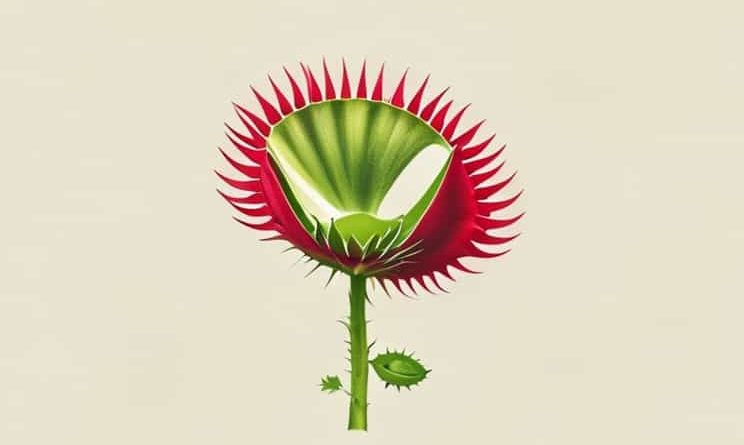
Adaptation Of Venus Flytrap
The Venus flytrap is one of the most fascinating plants on Earth, not only because of its unique ability to capture insects but also because of the remarkable adaptations that allow it to survive in nutrient-poor environments. While most plants rely on soil for essential nutrients, the Venus flytrap has evolved specialized mechanisms to supplement its diet through carnivory. This adaptation of Venus flytrap has made it an object of study for scientists and a source of wonder for nature enthusiasts around the world.
Natural Habitat of the Venus Flytrap
The Venus flytrap (Dionaea muscipula) is native to specific regions in North and South Carolina in the United States. These areas are known for their sandy, acidic, and nutrient-deficient soil. In such environments, plants struggle to obtain essential minerals like nitrogen and phosphorus, which are crucial for growth. The adaptation of Venus flytrap to capture and digest insects compensates for this deficiency, allowing it to thrive where many other plants cannot.
Environmental Challenges
The habitats where Venus flytraps grow are typically
- Bogs and wetlands with poor soil nutrients.
- Areas that experience frequent fires, which keep larger plants from taking over.
- Open, sunny locations that support photosynthesis but not nutrient richness.
Structural Adaptations of Venus Flytrap
The most recognizable adaptation of Venus flytrap is its trap-like leaves. These specialized structures are modified leaves that allow the plant to capture and digest small insects and arachnids.
The Trap Mechanism
Each trap consists of two lobes with hair-like trigger structures. When an insect touches these hairs twice in quick succession, the trap snaps shut. This rapid response is one of the fastest movements in the plant kingdom, an extraordinary adaptation for survival.
Digestive Structures
After capturing prey, the Venus flytrap produces digestive enzymes that break down the insect’s soft tissues. The plant then absorbs essential nutrients, particularly nitrogen and phosphorus, through the surface of its leaves. This adaptation of Venus flytrap ensures it receives what the soil cannot provide.
Behavioral Adaptations
Beyond its physical adaptations, the Venus flytrap displays fascinating behavioral strategies that enhance its survival.
Selective Trapping
The plant does not close its traps for every contact. The requirement of two touches prevents wasted energy on false alarms, such as raindrops or debris. This energy-efficient adaptation of Venus flytrap ensures that only potential prey triggers the mechanism.
Reopening and Recycling
Once digestion is complete, the trap reopens, leaving behind indigestible parts like exoskeletons. The trap can then be reused multiple times before it becomes inactive. This reuse strategy is another clever adaptation that conserves resources.
Physiological Adaptations
On a cellular and biochemical level, the Venus flytrap has evolved to support its carnivorous lifestyle. These adaptations go beyond the visible traps and involve internal processes that help the plant function effectively.
Rapid Movement
The quick snapping action is powered by changes in cell turgor pressure, where cells rapidly move water in and out, causing the trap to close. This physiological adaptation of Venus flytrap is a remarkable example of plant motion without muscles.
Enzyme Production
Venus flytraps produce specialized enzymes similar to those found in animal digestive systems. These enzymes dissolve the soft tissues of insects, releasing nutrients that the plant absorbs. This biochemical adaptation allows the plant to function almost like a predator in its ecosystem.
Reproductive Adaptations
The Venus flytrap has also adapted reproductive strategies to ensure the continuation of its species in challenging habitats.
Pollination Strategy
Interestingly, the plant’s flowers grow on tall stalks, well above the trapping leaves. This separation prevents pollinators from being caught in the traps. By adapting this way, the Venus flytrap ensures reproduction is not compromised by its carnivorous habits.
Seed Dispersal
After pollination, the plant produces small black seeds that are dispersed by wind and water. This strategy allows new Venus flytraps to colonize similar nutrient-poor environments where their adaptations are advantageous.
Adaptation of Venus Flytrap in Ecology
These unique adaptations not only help the Venus flytrap survive but also play an important role in the ecosystems where it is found.
Balancing Insect Populations
By capturing insects, Venus flytraps help regulate local insect populations. This ecological adaptation ensures that they contribute to the balance of their environment while sustaining their own nutritional needs.
Competition with Other Plants
Because of their carnivorous adaptation, Venus flytraps can thrive in environments where other plants fail. This reduces competition for space and light, giving them a unique ecological niche.
Human Interest in Venus Flytrap Adaptations
The adaptation of Venus flytrap has fascinated humans for centuries. Botanists, ecologists, and even casual gardeners are intrigued by the plant’s unusual way of surviving. This interest has led to widespread cultivation of the plant as a curiosity, as well as scientific studies exploring plant behavior and physiology.
Scientific Research
Researchers study the Venus flytrap to understand plant movement, nutrient absorption, and evolution. Its adaptations provide insights into how species evolve under environmental stress.
Cultural Symbolism
The plant has also become a symbol of nature’s ingenuity and adaptability. Its striking appearance and unusual feeding habits have inspired art, literature, and even popular culture.
Conservation and Future Challenges
Despite its fascinating adaptations, the Venus flytrap faces threats from habitat loss, poaching, and climate change. Conservation efforts are essential to ensure that this remarkable plant continues to thrive in the wild.
Habitat Protection
Protecting bogs and wetlands where Venus flytraps naturally grow is crucial. These ecosystems are often endangered by human activities, making conservation a priority.
Sustainable Cultivation
Encouraging the cultivation of Venus flytraps in nurseries reduces pressure on wild populations. This adaptation of human practices ensures the survival of the species while meeting the demand for this unique plant.
The adaptation of Venus flytrap is a story of survival against all odds. From its specialized trapping mechanisms to its biochemical processes and reproductive strategies, every feature of the plant reflects its evolutionary response to nutrient-poor environments. This combination of structural, behavioral, and physiological traits not only ensures the Venus flytrap’s survival but also highlights the incredible diversity of adaptations found in nature. As scientists and conservationists continue to study and protect this species, the Venus flytrap will remain an enduring example of how life adapts in extraordinary ways.