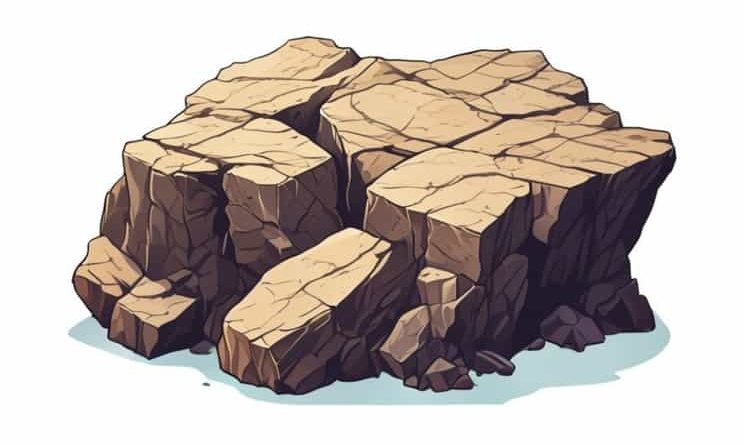
All Outcropping Bedrock In Ohio
All outcropping bedrock in Ohio tells a story that spans hundreds of millions of years, revealing the geological history of the state and the processes that shaped its landscapes. From sandstone cliffs to limestone valleys, these rock layers not only provide evidence of ancient seas and shifting environments but also play an important role in Ohio’s economy, ecology, and natural beauty. Exploring the distribution and types of bedrock in Ohio helps us understand the foundations beneath our feet and the resources that have sustained communities for generations.
Geologic Background of Ohio Bedrock
The bedrock of Ohio formed during the Paleozoic Era, between 540 and 250 million years ago. During this time, Ohio was covered by shallow seas that deposited layers of sediment, eventually hardening into limestone, shale, sandstone, and dolostone. The bedrock exposed today is a record of these ancient environments, with different regions of Ohio showcasing unique rock types depending on their geologic past.
Glacial Influence on Bedrock Exposure
Much of Ohio’s surface is covered by glacial deposits left during the Ice Age. Thick layers of till, clay, and sand often conceal the underlying rock. However, in areas where glaciers were thinner or erosion has removed sediments, outcropping bedrock is visible. These exposed sections provide direct access to Ohio’s geologic layers, making them valuable for research and resource extraction.
Types of Bedrock Found in Ohio
Ohio’s bedrock varies widely depending on the region, with each rock type telling a different part of the state’s geologic story. The main rock types that outcrop in Ohio include limestone, dolostone, sandstone, and shale.
- LimestoneFound extensively in western and southwestern Ohio, limestone formed from marine organisms that lived in ancient seas. It is commonly used in construction and as aggregate.
- DolostoneClosely related to limestone, dolostone is rich in magnesium and occurs in similar regions. It is resistant to weathering and forms many of Ohio’s distinctive cliffs.
- SandstoneProminent in eastern Ohio, especially in the Hocking Hills region, sandstone was deposited in river deltas and coastal environments. These rocks create dramatic cliffs, gorges, and waterfalls.
- ShaleShale is widespread in Ohio, especially in central and eastern parts of the state. It formed from fine sediments in ancient seas and is often associated with fossil deposits.
Regional Distribution of Outcropping Bedrock
Different parts of Ohio display different bedrock exposures due to variations in geology, erosion, and glaciation. Each region provides a glimpse into a distinct chapter of Ohio’s natural history.
Western Ohio
In western Ohio, bedrock outcrops are primarily limestone and dolostone. The area’s flat terrain and fertile soils are supported by these carbonate rocks, which also contribute to the state’s extensive quarrying industry. Natural springs and caves are common features in these areas where bedrock is exposed at or near the surface.
Eastern Ohio
Eastern Ohio is dominated by sandstone and shale outcrops. The rugged landscapes of the Appalachian Plateau feature steep valleys, exposed cliffs, and eroded gorges. Outcropping bedrock in this part of Ohio is especially visible in state parks, where scenic trails reveal layers of sandstone and shale stacked like pages in a history book.
Central Ohio
Central Ohio contains a mixture of shale, limestone, and sandstone exposures, though many areas are covered by glacial deposits. Where rivers cut into the land, bedrock outcrops can be seen along streambeds and valley walls, providing insights into the underlying geology.
Famous Outcropping Sites in Ohio
Several locations across Ohio are renowned for their visible bedrock formations. These sites attract geologists, hikers, and tourists interested in both science and natural beauty.
- Hocking HillsKnown for its dramatic sandstone cliffs, caves, and waterfalls, this region showcases some of the most striking outcrops in the state.
- Clifton GorgeLocated in western Ohio, this gorge features dolostone and limestone walls carved by the Little Miami River.
- Lake Erie CliffsAlong the shores of Lake Erie, shale and sandstone outcrops are visible, often eroded by wave action.
- Serpent Mound RegionNear this ancient earthwork, various outcrops reveal the underlying limestone and shale of southern Ohio.
Economic Importance of Ohio Bedrock
Outcropping bedrock in Ohio is not only significant for understanding geology but also for supporting industries. Quarrying of limestone, sandstone, and dolostone provides essential materials for construction, cement production, and road building. Shale layers are important in the energy sector, as they may contain oil and natural gas resources. The visibility of these rocks in outcrops often determines where extraction is feasible.
Water Resources and Caves
Limestone and dolostone regions, where bedrock is exposed, often contain caves and aquifers. These features contribute to groundwater supplies that are vital for both communities and agriculture. Karst landscapes, marked by sinkholes and underground drainage, are directly linked to outcropping carbonate rocks.
Scientific and Educational Value
Exposed bedrock serves as a natural classroom for geologists and students. By studying outcrops, scientists can reconstruct ancient environments, track climate changes, and discover fossils. Ohio’s outcrops often yield marine fossils, including brachiopods, corals, and trilobites, offering evidence of the seas that once covered the region.
Paleontology in Ohio
Outcropping bedrock provides access to rich fossil beds. Many of Ohio’s limestone and shale layers contain fossils that help scientists understand life during the Paleozoic Era. Collecting and studying these fossils has been an important part of Ohio’s scientific heritage.
Challenges and Conservation
While outcropping bedrock in Ohio offers many benefits, it also faces challenges. Urban development, quarrying, and erosion can damage or destroy important outcrops. Protecting these natural features is crucial for preserving Ohio’s geologic heritage. State parks and nature preserves play an important role in safeguarding these sites for education and recreation.
Balancing Use and Preservation
Ohio must balance the economic value of extracting resources from bedrock with the need to preserve significant outcrops for future generations. Responsible land management ensures that both industry and natural landscapes can coexist.
All outcropping bedrock in Ohio represents a remarkable record of the state’s natural history, from ancient seas to glacial reshaping. These visible layers of limestone, sandstone, dolostone, and shale not only reveal the past but also support modern industries and communities. Whether admired in scenic gorges, studied in classrooms, or utilized in construction, Ohio’s outcrops are a vital part of the landscape. By appreciating and protecting these geologic treasures, Ohioans can continue to learn from and benefit from the rocks beneath their feet.