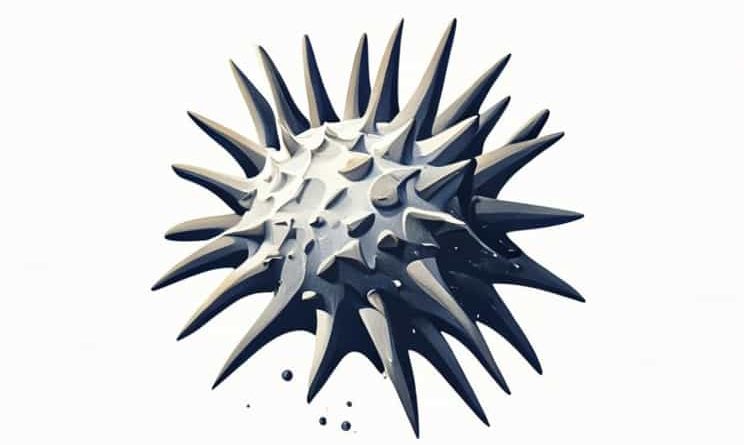
An Echinoderm Marine Asteroid Known
Echinoderms are fascinating marine organisms that have intrigued scientists and marine enthusiasts for centuries. Among them, marine asteroids, commonly known as starfish or sea stars, stand out due to their unique structure, regenerative abilities, and ecological significance. An echinoderm marine asteroid is a type of invertebrate that plays a crucial role in maintaining the balance of marine ecosystems. These creatures are not only visually captivating but also biologically remarkable, exhibiting features that are distinct from most other marine animals.
Introduction to Marine Asteroids
Marine asteroids belong to the class Asteroidea within the phylum Echinodermata. This group is characterized by radial symmetry, a calcareous endoskeleton, and a water vascular system that enables movement and feeding. Unlike bilateral animals, marine asteroids possess a pentaradial symmetry as adults, meaning their body parts radiate around a central axis. This unique body structure allows them to interact with their environment in ways that other marine organisms cannot. The term asteroid” in this context does not relate to space objects but rather derives from the Greek word “aster,” meaning star, referencing their star-like shape.
Anatomical Features of Marine Asteroids
Marine asteroids exhibit several distinct anatomical features that make them well-adapted to their environments
- Central Disc and ArmsMost starfish have a central disc from which five or more arms radiate. These arms contain vital organs and are used for locomotion and capturing prey.
- EndoskeletonTheir bodies are supported by a calcareous endoskeleton composed of ossicles. This rigid structure provides protection and support while allowing flexibility.
- Water Vascular SystemThis hydraulic system, unique to echinoderms, powers their tube feet. Tube feet are small, flexible appendages used for movement, feeding, and adhering to surfaces.
- Regenerative AbilitiesMany marine asteroids can regenerate lost arms and, in some species, even rebuild the central disc if damaged. This ability enhances their survival in predator-rich environments.
Ecological Role of Marine Asteroids
Marine asteroids play a pivotal role in maintaining the health of marine ecosystems. As keystone species, they influence the population dynamics of other organisms in their habitat
- Predatory BehaviorStarfish primarily feed on bivalves, such as clams and mussels. By controlling the population of these organisms, they prevent any single species from dominating the ecosystem.
- Habitat ModificationTheir feeding activities can shape the structure of coral reefs and rocky shorelines, indirectly supporting biodiversity.
- Nutrient CyclingBy consuming prey and excreting waste, marine asteroids contribute to the recycling of nutrients, supporting the growth of other marine organisms.
Common Species of Marine Asteroids
There are thousands of species of marine asteroids distributed across the world’s oceans, from shallow coastal waters to deep-sea environments. Some well-known species include
- Common Starfish (Asterias rubens)Found along the North Atlantic coast, this species is noted for its robust arms and orange to brown coloration.
- Crown-of-Thorns Starfish (Acanthaster planci)A large, venomous species that preys on coral polyps, playing a complex role in reef ecosystems.
- Blue Starfish (Linckia laevigata)Known for its vibrant blue color, this species inhabits the Indo-Pacific region and can regenerate lost arms efficiently.
- Chocolate Chip Starfish (Protoreaster nodosus)Recognizable by the dark nodules on its body, it is commonly found in shallow lagoons and tidal pools.
Reproduction and Life Cycle
Marine asteroids exhibit both sexual and asexual modes of reproduction, contributing to their resilience
- Sexual ReproductionMost starfish are dioecious, meaning individual organisms are either male or female. Fertilization typically occurs externally when eggs and sperm are released into the water.
- Larval StageThe fertilized eggs develop into free-swimming larvae, which undergo metamorphosis before settling on the ocean floor as juvenile starfish.
- Asexual ReproductionCertain species can reproduce through fragmentation, where a part of the arm or central disc regenerates into a complete individual.
Adaptations to Marine Environments
Marine asteroids have evolved unique adaptations to thrive in diverse oceanic conditions
- Tube Feet and LocomotionThe water vascular system powers tube feet that allow precise movement on rocky substrates and the ability to cling tightly in turbulent waters.
- RegenerationRegenerative abilities not only aid survival but also facilitate asexual reproduction, enhancing population resilience.
- Feeding MechanismsMany species use their eversible stomachs to digest prey externally before ingestion, allowing them to feed on organisms larger than their mouth opening.
- Camouflage and ColorationBright or patterned colors can provide camouflage among corals, sand, and rocks, helping avoid predators.
Threats and Conservation
Despite their ecological importance, marine asteroids face several threats from human activities and environmental changes
- PollutionChemical contaminants and plastic debris can harm starfish populations directly or affect their prey.
- Climate ChangeRising ocean temperatures and acidification impact their metabolism, reproduction, and skeletal formation.
- OverfishingRemoving key species from marine ecosystems can disrupt the food web, indirectly affecting starfish populations.
- Invasive SpeciesIntroduction of non-native starfish or predators can alter the balance of local ecosystems.
Scientific and Educational Importance
Marine asteroids are valuable for scientific research and education. Their regenerative abilities make them model organisms in developmental biology and regenerative medicine studies. Additionally, their role in marine ecosystems provides insights into ecological interactions and environmental health. Observing starfish in aquariums and coastal habitats also offers educational opportunities to raise awareness about marine biodiversity and conservation.
An echinoderm marine asteroid, or starfish, is a remarkable organism that exemplifies the complexity and diversity of marine life. From its distinctive anatomy and regenerative abilities to its ecological significance, the marine asteroid is an integral part of ocean ecosystems. Understanding these creatures not only enhances our knowledge of marine biology but also highlights the importance of preserving ocean habitats. Through continued research, conservation efforts, and public education, the fascinating world of marine asteroids can be appreciated and protected for future generations.