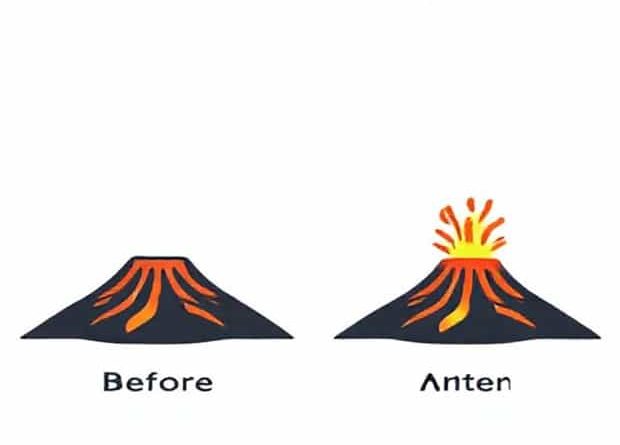
Before, During, After Volcanic Eruption
Volcanic eruptions are among the most powerful natural events on Earth, capable of reshaping landscapes, influencing climates, and affecting human lives in profound ways. They occur when molten rock, gases, and ash escape from beneath the Earth’s crust, creating both destructive and beneficial impacts. To fully understand how people and environments are affected, it is important to look at what happens before, during, and after a volcanic eruption. Each stage brings its own challenges and safety measures, as well as long-term consequences that communities must manage carefully.
Before a Volcanic Eruption
Volcanoes rarely erupt without giving signs beforehand. These signs are critical for monitoring agencies and communities living nearby. Recognizing the warnings before an eruption can save lives and reduce property damage. The period leading up to an eruption is filled with geological activity and signals that scientists study closely.
Warning Signs and Indicators
-
Seismic ActivitySmall earthquakes or tremors often occur as magma moves underground. These are monitored with seismographs.
-
Gas EmissionsIncreasing levels of sulfur dioxide or carbon dioxide around a volcano suggest that magma is rising.
-
Ground DeformationThe surface around the volcano may bulge or crack as pressure builds beneath the Earth’s crust.
-
Temperature ChangesHot springs and fumaroles may show changes in temperature as heat increases near the surface.
Preparation Measures
Communities living near volcanoes need to prepare well in advance. Preparation not only reduces panic but also improves survival chances.
- Creating evacuation plans with clear routes away from the volcano.
- Stocking emergency kits with food, water, masks, and first aid supplies.
- Conducting regular disaster drills to ensure readiness.
- Building awareness campaigns to educate residents about warning signs and safety actions.
Governments and scientists play a crucial role during this stage. Monitoring stations, satellite imagery, and local reports all contribute to forecasting eruptions. Although predictions are not always exact, these tools can give valuable time to evacuate at-risk areas.
During a Volcanic Eruption
The eruption itself is the most dangerous stage. Depending on the type of volcano, eruptions can be explosive with ash and pyroclastic flows, or quieter with lava steadily oozing from fissures. Each type brings its own set of hazards that require different responses.
Immediate Hazards
-
Lava FlowsWhile lava moves relatively slowly, it can destroy anything in its path, including homes, roads, and forests.
-
Ash CloudsFine volcanic ash can spread for miles, reducing visibility, contaminating water supplies, and causing respiratory issues.
-
Pyroclastic FlowsThese are fast-moving currents of hot gas, ash, and rock that can reach speeds over 100 kilometers per hour and temperatures exceeding 1,000 degrees Celsius.
-
LaharsMudflows triggered by volcanic activity mix ash with water, creating fast-moving, destructive rivers of debris.
Safety Actions During the Eruption
During the eruption, staying safe requires quick decisions and following emergency guidelines
- Evacuating to designated safe zones immediately when ordered by authorities.
- Wearing masks and goggles to protect against ash inhalation and eye irritation.
- Staying indoors if evacuation is not possible, sealing windows and doors to keep ash out.
- Avoiding rivers, as they may quickly transform into deadly lahars.
Authorities may also restrict air travel during this time, as volcanic ash can severely damage aircraft engines. Communities must stay alert and listen to emergency broadcasts for updates.
After a Volcanic Eruption
The aftermath of a volcanic eruption can last for months or even years. While the immediate danger may pass once the eruption stops, new challenges emerge as communities try to recover and rebuild. The post-eruption phase involves both risks and opportunities for renewal.
Short-Term Consequences
-
Health IssuesRespiratory problems, skin irritation, and contaminated water supplies are common after an eruption.
-
Infrastructure DamageRoads, bridges, homes, and communication networks may be destroyed or buried under ash and debris.
-
DisplacementMany families may be forced to live in shelters until it is safe to return home.
Long-Term Consequences
-
Economic LossFarming, tourism, and trade may take years to recover due to destroyed land and reduced accessibility.
-
Environmental ChangeLandscapes are often transformed, with new craters, lava plains, and altered river paths.
-
Psychological ImpactSurvivors may suffer from trauma and stress as they rebuild their lives.
Recovery and Opportunities
Despite the destruction, volcanic eruptions also bring benefits over time
- Volcanic soils are extremely fertile, boosting agriculture in the long run.
- Tourism may increase as people are drawn to volcanic landscapes and hot springs.
- Geothermal energy can be harnessed in volcanic regions, providing a sustainable energy source.
Governments, aid organizations, and local communities work together during recovery. Rebuilding safer housing, restoring services, and providing psychological support are all crucial steps in helping affected areas return to stability.
Learning from Volcanic Eruptions
Studying past volcanic eruptions allows scientists and societies to better prepare for the future. Lessons from famous eruptions, such as Mount Vesuvius in Italy or Mount Pinatubo in the Philippines, highlight the importance of early warning systems and global cooperation. By combining technology with community awareness, the risks associated with volcanic eruptions can be reduced significantly.
Understanding what happens before, during, and after a volcanic eruption is essential for survival and recovery. The signs leading up to an eruption give communities time to prepare, while immediate responses during the event can save countless lives. Afterward, rebuilding efforts and long-term planning help societies transform challenges into opportunities. Volcanic eruptions, while dangerous, remind us of Earth’s incredible power and resilience, and they offer both lessons and resources that shape the future of human life in volcanic regions.