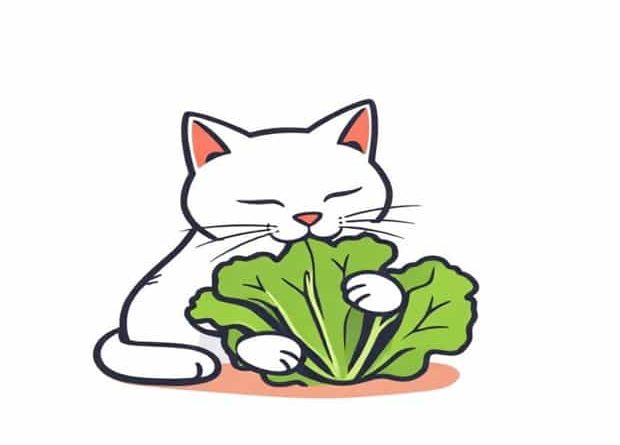
Can Cats Eat Lettuce
Cats are often known for their curious nature, and this curiosity sometimes extends to the foods they show interest in. Among the various foods that may catch a cat’s attention, lettuce is one that owners often notice. Many cat owners wonder whether it is safe for their feline companions to nibble on this leafy green, and whether it could provide any nutritional benefits or cause harm. Understanding the dietary needs of cats and the composition of lettuce is essential before offering it to your pet.
Understanding Feline Nutrition
Cats are obligate carnivores, which means their natural diet consists primarily of meat. Their bodies are designed to process high-protein and high-fat foods, and they require nutrients that are found predominantly in animal sources, such as taurine, arachidonic acid, and certain vitamins. While vegetables and fruits are not toxic in general, they do not supply the essential nutrients cats need to thrive. Lettuce, being primarily composed of water and fiber, does not provide significant nutritional value for cats.
Is Lettuce Safe for Cats?
Generally, small amounts of plain lettuce are safe for cats to eat. Lettuce is non-toxic and unlikely to cause immediate harm if your cat decides to nibble on a leaf. However, moderation is key. Large quantities of lettuce can lead to digestive upset, including diarrhea or vomiting. It’s important to avoid lettuces that have been seasoned with dressings, oils, or other additives, as these can contain harmful ingredients such as onions, garlic, or excessive salt.
Potential Benefits of Lettuce for Cats
While lettuce is not a necessary part of a cat’s diet, it does offer a few minor benefits when given in small, controlled portions
- HydrationLettuce has a high water content, which can contribute to your cat’s overall hydration, especially if they do not drink enough water on their own.
- FiberThe fiber in lettuce may help with mild digestive issues or promote regular bowel movements, though it should not replace a fiber supplement if needed.
- Low-calorie treatFor overweight cats, small amounts of lettuce can provide a crunchy snack without adding unnecessary calories.
Types of Lettuce and Their Safety
There are several types of lettuce commonly found in grocery stores, and most are safe in small amounts
- RomaineNutrient-rich and generally safe, though high quantities are unnecessary.
- IcebergMostly water with minimal fiber or nutrients, safe but less beneficial.
- Leaf lettucesSuch as green leaf or red leaf, safe in moderation.
It is important to wash lettuce thoroughly to remove pesticides or harmful chemicals before offering it to your cat. Organic lettuce may be preferable to reduce exposure to these substances.
How to Introduce Lettuce to Your Cat
Introducing new foods should always be done cautiously. Start with a small piece of plain lettuce and observe your cat for any adverse reactions. Some cats may enjoy the texture and mild taste, while others may show no interest at all. Avoid forcing your cat to eat lettuce, as their natural instincts may not favor vegetables. Monitor for any signs of digestive upset such as vomiting, diarrhea, or loss of appetite.
Creative Ways to Offer Lettuce
If your cat shows interest in lettuce, you can make it a small part of their treat routine
- Chop into tiny, manageable pieces mixed with their regular food.
- Offer whole leaves for cats that enjoy chewing on textures.
- Freeze small lettuce pieces for a crunchy, cold snack during hot weather.
When to Avoid Lettuce
While lettuce is safe in small amounts, there are scenarios where it should be avoided
- Cats with sensitive stomachs or chronic digestive issues may react poorly to any new foods.
- If lettuce is contaminated with pesticides or other chemicals.
- Lettuce prepared with dressings, oils, or seasonings containing harmful ingredients.
Other Safe Alternatives for Cats
For owners looking to supplement their cat’s diet with vegetables, there are safer options than lettuce. Examples include small amounts of cooked pumpkin, zucchini, or carrots. These vegetables offer additional vitamins and minerals that are more beneficial to cats than lettuce alone. Always consult with a veterinarian before introducing new foods to ensure they align with your cat’s nutritional needs.
In summary, cats can eat lettuce in small amounts without serious health risks. While it does not provide substantial nutritional benefits due to their carnivorous nature, lettuce can serve as a low-calorie, hydrating snack. The key is moderation, proper preparation, and careful observation of your cat’s reaction. Always avoid seasoned or chemically treated lettuce, and consider safer alternatives if you want to supplement your cat’s diet with plant-based foods. By being mindful, you can safely offer lettuce as a treat while maintaining a healthy and balanced diet for your feline friend.
Understanding the dietary needs of cats is essential for any pet owner. Lettuce should never replace the primary sources of nutrition that cats require, which come from high-quality proteins and fats. When offered responsibly, it can be a safe and occasionally enjoyable addition to a cat’s treat repertoire, enhancing their variety of textures and flavors without compromising health.