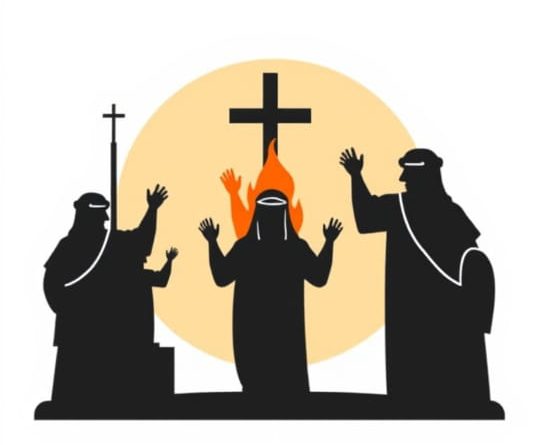
Christian Persecution In The United States
Christianity has long been a foundational part of American history and culture, but in recent years, there has been growing discussion about the challenges and persecution Christians may face in the United States. While the country’s Constitution guarantees freedom of religion, some Christians report experiencing social, legal, and cultural pressures that they believe infringe on their rights. Understanding the nature of this persecution, its historical context, and its contemporary manifestations provides important insight into religious freedom and the tensions surrounding faith in modern America.
Historical Context of Christianity in the United States
Christianity has played a central role in the development of American society, from the founding of the colonies to the shaping of laws and educational institutions. Early settlers often practiced various forms of Protestant Christianity, and many founding fathers were influenced by Christian principles. Despite this, history also shows moments when Christians faced challenges, including disputes between different denominations and conflicts over religious practices in public life. This historical backdrop is essential for understanding contemporary discussions about Christian persecution in the United States.
Legal Protections for Religious Freedom
The First Amendment of the U.S. Constitution explicitly protects religious freedom, stating that Congress shall make no law respecting an establishment of religion, or prohibiting the free exercise thereof. This legal framework has historically allowed Christians and followers of other faiths to worship freely, establish religious institutions, and express their beliefs publicly. Nevertheless, legal protections do not always prevent social or cultural pressures, and debates often arise about the interpretation of these rights in modern contexts, including education, employment, and public policies.
Forms of Christian Persecution in Modern America
Christian persecution in the United States today is often less overt than physical violence seen in other parts of the world, but it can take various subtle and systemic forms. Social ostracism, workplace discrimination, censorship of religious expression, and legal challenges are some ways Christians report feeling targeted. For instance, cases involving objections to participating in certain events due to religious beliefs or lawsuits over faith-based practices highlight the tension between secular policies and religious freedoms.
Workplace and Educational Challenges
Many Christians report facing challenges in professional and educational settings. This can include pressure to conform to secular norms that conflict with personal beliefs, or discrimination when expressing faith through clothing, symbols, or speech. In schools, debates over the inclusion of prayer, Bible studies, or religious clubs illustrate ongoing conflicts between religious freedom and secular policies. While outright persecution is rare, these pressures can make Christians feel marginalized or silenced in environments where they expected to practice their faith freely.
Legal Controversies and Court Cases
The United States has seen numerous legal controversies involving Christian rights. High-profile cases involving the refusal to perform services that conflict with religious beliefs, disputes over religious symbols in public spaces, and challenges to abortion and marriage laws all highlight the intersection of law and faith. These cases are often complex, balancing the rights of individuals to practice their religion against the rights of others to live free from discrimination. Court rulings in these cases can set precedents that influence future discussions about religious freedom.
Cultural and Social Pressures
In addition to legal challenges, Christians sometimes face cultural pressures that affect how they express their faith. Media portrayals, public debates, and social media interactions can create environments where openly practicing Christianity is met with criticism or ridicule. Some Christians feel that expressing traditional beliefs on topics such as marriage, sexuality, or bioethics exposes them to social backlash. While this is not physical persecution, the impact on personal and professional life can be significant and influence how individuals navigate their religious identity.
Examples of Reported Persecution
-
Business owners declining to participate in events or provide services that contradict their religious beliefs, sometimes facing legal repercussions.
-
Students facing disciplinary actions for praying, wearing religious symbols, or participating in faith-based activities at school.
-
Religious organizations navigating complex regulations that limit their ability to operate in accordance with their faith, such as adoption agencies or charitable institutions.
-
Public criticism or social ostracism for expressing religious beliefs on controversial topics.
Persecution vs. Challenges
It is important to distinguish between persecution and challenges that arise in a pluralistic society. While some Christians experience significant obstacles in exercising their faith, others encounter disagreements or cultural differences that require compromise. Persecution implies systemic or targeted actions intended to suppress religious expression, whereas challenges may reflect the normal friction between differing beliefs in a diverse society. Understanding this distinction helps clarify the nature of Christian experiences in the United States.
Responses from Christian Communities
Christian communities in the United States often respond to perceived persecution through advocacy, education, and legal action. Organizations work to protect religious freedoms, provide guidance for navigating workplace and educational environments, and raise awareness about legal rights. Churches and religious leaders frequently encourage their congregants to engage in civic processes, pray for guidance, and maintain resilience in the face of societal pressures. These responses aim to uphold faith while respecting the broader legal and cultural framework of the country.
Interfaith Dialogue and Cooperation
Another response to challenges faced by Christians involves fostering interfaith dialogue. Collaborating with other religious communities to advocate for mutual respect and religious freedom strengthens the broader societal commitment to pluralism. By working with other faiths, Christians can highlight the importance of protecting all religious groups, not just their own, and contribute to a culture of tolerance and understanding.
Looking Forward
The issue of Christian persecution in the United States is complex and multifaceted. While the country provides significant legal protections for religious freedom, cultural, social, and legal pressures continue to influence how Christians experience and express their faith. Awareness, education, and active engagement with legal and social systems are key strategies for navigating these challenges. By understanding the historical context, contemporary examples, and methods of advocacy, Christians and others can work to maintain religious freedom for all while addressing genuine concerns about marginalization.
Christian persecution in the United States, while often different from the physical persecution seen in other parts of the world, manifests in legal, social, and cultural forms. Awareness of these challenges helps both Christians and the broader public understand the delicate balance between individual rights, religious freedom, and societal norms. Through legal advocacy, community support, and interfaith cooperation, Christians can navigate these challenges while continuing to practice their faith openly. Ultimately, protecting religious freedom requires vigilance, dialogue, and respect for diverse beliefs in a pluralistic society.