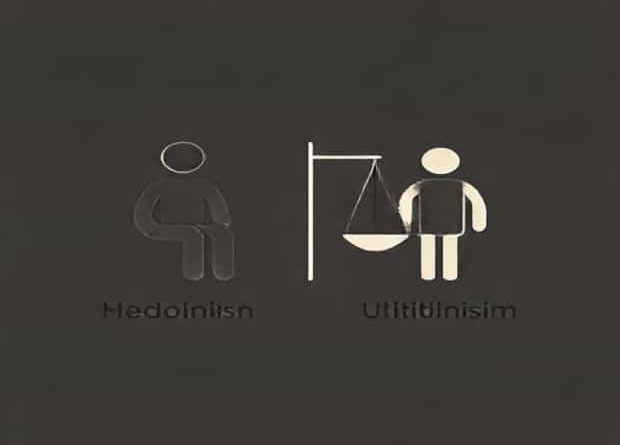
Difference Between Hedonism And Utilitarianism
Hedonism and utilitarianism are two influential philosophical theories that explore how humans should make choices and evaluate the consequences of their actions. While both focus on the role of pleasure and well-being in ethical decision-making, they approach the concept from different perspectives and with distinct implications. Understanding the nuances between these two frameworks is essential for anyone interested in ethics, moral philosophy, or practical decision-making, as they provide contrasting yet sometimes complementary views on the purpose of human life and the criteria for a good action.
Defining Hedonism
The Concept of Pleasure
Hedonism is a philosophical approach that identifies pleasure and the avoidance of pain as the primary or sole intrinsic goods in life. In other words, according to hedonism, the ultimate goal of human existence is to maximize personal happiness and minimize suffering. This focus on pleasure can be physical, such as enjoying food or comfort, or mental, such as experiencing joy, satisfaction, or intellectual fulfillment. Hedonism emphasizes subjective well-being, often considering the individual’s own experiences as the most important measure of a good life.
Types of Hedonism
There are different forms of hedonism, each with its own interpretation of pleasure and happiness
- Psychological HedonismThis form suggests that humans are naturally motivated by the pursuit of pleasure and the avoidance of pain. All actions, whether consciously recognized or not, are driven by the desire for happiness.
- Ethical HedonismThis version argues that individuals ought to pursue pleasure and happiness as their moral duty. It prescribes actions based on their potential to increase overall well-being.
- Epicurean HedonismFounded by Epicurus, this approach values long-term intellectual and emotional pleasures over immediate physical gratifications, advocating for a balanced, moderate lifestyle.
Defining Utilitarianism
The Principle of Utility
Utilitarianism, on the other hand, is a consequentialist ethical theory developed by philosophers such as Jeremy Bentham and John Stuart Mill. It holds that the rightness or wrongness of an action is determined by its overall consequences, specifically in terms of the greatest good for the greatest number of people. Unlike hedonism, which can be primarily self-focused, utilitarianism emphasizes collective well-being and social outcomes. An action is morally justified if it maximizes happiness and minimizes suffering across all affected individuals.
Key Features of Utilitarianism
- ConsequentialismThe morality of an action depends entirely on its outcomes rather than intentions or intrinsic qualities.
- ImpartialityEach individual’s happiness is considered equally, requiring a broader perspective that accounts for the well-being of society as a whole.
- Quantitative and Qualitative AssessmentBentham focused on measuring pleasure quantitatively, while Mill introduced the idea that some pleasures are higher in quality, such as intellectual or moral pleasures, beyond mere physical satisfaction.
Comparing Hedonism and Utilitarianism
Focus on Pleasure
Both hedonism and utilitarianism value pleasure and happiness, but they differ in scope and application. Hedonism primarily concerns the individual’s personal satisfaction and may disregard broader social consequences. Utilitarianism, in contrast, applies the concept of happiness to society, measuring actions by their impact on overall welfare. While a hedonist might pursue immediate gratification, a utilitarian considers long-term effects and the well-being of others when making ethical decisions.
Scope of Moral Responsibility
Hedonism tends to be more individualistic, emphasizing personal happiness as the guiding principle. In contrast, utilitarianism demands a wider ethical consideration, asking individuals to weigh their actions against the happiness or suffering they produce for everyone involved. This difference can lead to contrasting moral conclusions. For example, a hedonist may choose an action that benefits them personally but harms others, whereas a utilitarian would seek a course of action that maximizes overall happiness, even if it requires personal sacrifice.
Approach to Decision-Making
Decision-making under hedonism often involves assessing which activities or choices provide the most pleasure for oneself, sometimes without detailed analysis of broader consequences. Utilitarianism requires systematic evaluation, calculating potential outcomes and considering both immediate and long-term effects on all affected parties. Tools like cost-benefit analysis, thought experiments, and moral calculations are often associated with utilitarian reasoning to ensure the best collective result.
Critiques and Challenges
Criticism of Hedonism
Hedonism faces criticism for being overly self-centered and potentially short-sighted. Critics argue that focusing solely on personal pleasure may neglect ethical responsibilities, social obligations, or the development of character. Additionally, pleasure is subjective, and what brings happiness to one person may not satisfy another, making it difficult to apply universally.
Criticism of Utilitarianism
Utilitarianism is also subject to debate. One major criticism is the challenge of accurately predicting consequences, which can be complex and uncertain. Another concern is that utilitarian reasoning might justify morally questionable acts if they produce a net increase in happiness. For example, harming a few individuals could be considered acceptable if it benefits a larger population, raising ethical dilemmas about justice and rights.
Practical Applications
Hedonism in Everyday Life
Hedonism often appears in personal lifestyle choices, leisure activities, and self-care practices. People applying hedonistic principles may focus on creating daily routines that maximize their own joy, from enjoying hobbies and food to cultivating meaningful relationships. While it may not always address societal concerns, it emphasizes personal well-being and fulfillment.
Utilitarianism in Policy and Ethics
Utilitarianism frequently guides public policy, law, and ethics, especially when decisions affect large populations. Healthcare allocation, environmental policies, and economic planning are examples where utilitarian principles can help determine actions that maximize collective welfare. Ethical frameworks in organizations and governments often rely on utilitarian calculations to balance competing interests and achieve the greatest good.
hedonism and utilitarianism share a common interest in pleasure and happiness but diverge significantly in scope, focus, and application. Hedonism prioritizes individual pleasure and subjective well-being, while utilitarianism emphasizes collective welfare and the consequences of actions for society. Understanding the differences between these philosophical approaches enhances our capacity to make ethical decisions, whether in personal life or public policy, and highlights the complexity of evaluating human happiness and moral responsibility. By examining both frameworks, individuals can navigate the balance between personal fulfillment and societal good, appreciating the diverse ways in which ethical theories influence thought and behavior.