Difference Between Naan And Pita
Bread has been a staple in human diets for centuries, with various cultures developing their own unique types to complement regional cuisine. Among these, naan and pita are two of the most popular flatbreads, widely enjoyed around the world. Although they may appear similar at first glance, naan and pita differ in ingredients, preparation methods, texture, and cultural significance. Understanding these differences can enhance both cooking and dining experiences, allowing people to appreciate the unique qualities of each bread while using them in the most suitable dishes.
Origins and Cultural Background
Naan is a traditional bread originating from South Asia, particularly India, Pakistan, and surrounding regions. It has deep cultural and historical roots, often associated with Indian cuisine and served alongside curries, tandoori dishes, and kebabs. Pita, on the other hand, comes from the Middle East and Mediterranean regions, including countries like Lebanon, Israel, and Greece. Pita is commonly paired with hummus, falafel, grilled meats, and salads. While both breads are flatbreads, their cultural contexts influence how they are prepared, served, and enjoyed in daily meals.
Ingredients and Dough Composition
The ingredients used to make naan and pita are one of the main points of difference. Naan is typically made from a rich dough containing all-purpose flour, yeast, yogurt, milk, and sometimes eggs. The addition of yogurt and milk gives naan a slightly tangy flavor and soft, fluffy texture. Pita, in contrast, is made from a simpler dough of flour, water, yeast, salt, and sometimes a small amount of sugar or olive oil. Pita dough is leaner, which contributes to its slightly chewier texture and ability to form a pocket when baked at high temperatures.
Preparation and Cooking Methods
Another key difference between naan and pita lies in how they are cooked. Naan is traditionally baked in a tandoor, a cylindrical clay oven, which produces its characteristic charred spots and soft, pillowy interior. In home kitchens, naan can be cooked on a hot skillet or oven, though the texture may slightly differ from the tandoor-baked version. Pita, on the other hand, is baked in very hot ovens, often around 450 to 500 degrees Fahrenheit. The high heat causes the dough to puff up, creating a pocket in the center that can be sliced open to hold fillings. This pocket formation is a defining characteristic of pita and makes it ideal for sandwiches and wraps.
Texture and Appearance
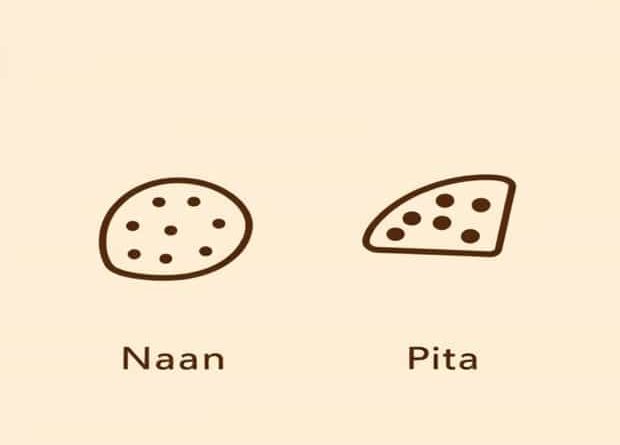
Texture is another important distinguishing feature. Naan is soft, fluffy, and slightly chewy with a tender crumb, often brushed with butter or ghee after baking for added richness. It can be round or teardrop-shaped, and its surface may have bubbles and charred spots from the tandoor or skillet. Pita, in contrast, is thinner, slightly crisp on the outside, and chewy on the inside. The pocket created during baking makes it versatile for stuffing with various ingredients. While both breads are flat, naan tends to be thicker and more indulgent, whereas pita is lighter and more functional as a portable bread option.
Flavor Profiles
The flavor of naan and pita also differs due to ingredients and cooking methods. Naan has a rich, slightly tangy flavor from yogurt and milk, sometimes enhanced with butter, garlic, or herbs. Pita has a more neutral taste, slightly nutty or wheaty depending on the flour used, which allows it to complement a wide range of fillings and dips without overpowering them. The subtle differences in flavor make naan ideal for pairing with spiced or saucy dishes, while pita is perfect for Mediterranean or Middle Eastern spreads, grilled vegetables, and meats.
Common Uses in Cuisine
Understanding how naan and pita are used in their respective cuisines highlights their unique qualities
- NaanServed with curries, tandoori meats, lentil dishes, and creamy sauces. Often used to scoop up food or accompany flavorful gravies.
- PitaUsed as a sandwich wrap, stuffed with falafel, gyro meats, or vegetables. Also commonly served alongside dips like hummus, baba ganoush, and tzatziki.
The versatility of each bread reflects the culinary traditions of their regions, with naan emphasizing richness and indulgence, and pita emphasizing practicality and portability.
Nutritional Differences
The nutritional content of naan and pita differs due to ingredients and portion sizes. Naan, with its inclusion of yogurt, milk, and sometimes butter, tends to be higher in calories and fat compared to pita. It provides protein, calcium, and some vitamins from dairy but should be consumed in moderation, especially for those watching calorie intake. Pita is lower in fat and calories, making it a lighter option for sandwiches or meals. Whole wheat pita adds fiber and additional nutrients, supporting digestive health. Understanding these differences can help individuals make informed choices based on dietary goals and preferences.
Homemade vs. Store-Bought Options
Both naan and pita are available in stores, but homemade versions offer superior flavor and texture. Homemade naan allows for customization, such as adding garlic, herbs, or cheese. Pita made at home can be baked fresh, ensuring the pocket forms perfectly and the bread remains soft. Store-bought versions may contain preservatives or additives to extend shelf life, which can slightly alter taste and texture. Making these breads at home can enhance the overall meal experience and provide a more authentic taste of their traditional cuisine.
In summary, naan and pita are both beloved flatbreads with distinct characteristics that reflect their cultural origins. Naan is a soft, rich bread from South Asia, often served with curries and tandoori dishes, while pita is a lean, pocketed bread from the Middle East, ideal for sandwiches and dips. Differences in ingredients, cooking methods, texture, and flavor make each bread unique and suited to different culinary applications. By understanding these differences, food enthusiasts can better appreciate the diversity of flatbreads, enjoy authentic dishes, and experiment with incorporating naan and pita into meals that highlight their best qualities. Whether used as a scoop, a wrap, or a side, both breads offer a delicious and versatile addition to a variety of dishes.