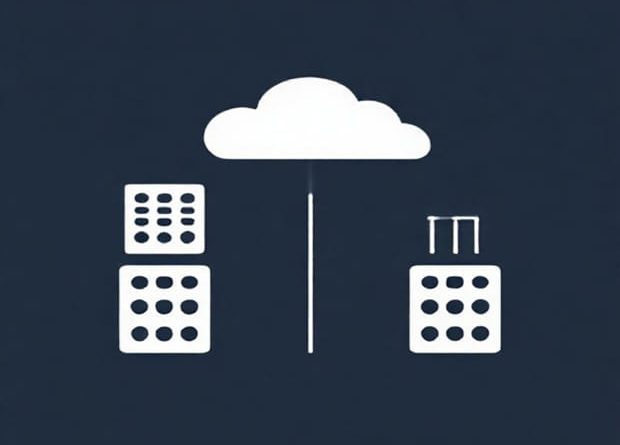
Difference Between On-Premise And Cloud
Organizations across industries often face a critical decision when it comes to managing their IT infrastructure whether to choose on-premise systems or cloud-based solutions. The difference between on-premise and cloud has become a defining factor in technology strategies, budgeting, scalability, and long-term planning. Each approach comes with its advantages and challenges, making it essential for decision-makers to understand the practical distinctions before investing in one or the other.
Understanding On-Premise Solutions
On-premise refers to traditional IT infrastructure where software and hardware are hosted locally within an organization’s own data centers. Companies purchase the servers, networking equipment, and licenses, then manage and maintain everything internally. For many years, on-premise systems were the standard way of deploying applications and data storage.
Characteristics of On-Premise
- Hardware and software are owned and controlled by the organization
- IT teams handle installation, updates, and maintenance
- High upfront investment is required for servers and licenses
- Security is managed internally without relying on external providers
For organizations with strict data governance policies or specific compliance requirements, on-premise can offer direct control and oversight of sensitive information.
Understanding Cloud Solutions
Cloud computing, in contrast, delivers computing resources over the internet. With the cloud, businesses can rent storage, servers, or applications on-demand from providers such as Amazon Web Services, Microsoft Azure, or Google Cloud. Instead of maintaining physical infrastructure, companies pay for services based on usage, reducing the need for large upfront costs.
Characteristics of Cloud
- Infrastructure is hosted by third-party cloud providers
- Users access applications and data through the internet
- Costs are typically subscription-based or pay-as-you-go
- Cloud providers handle maintenance, updates, and scaling
The flexibility of cloud solutions makes them particularly attractive to organizations that want rapid scalability, global accessibility, and reduced maintenance responsibilities.
Cost Comparison Between On-Premise and Cloud
One of the most noticeable differences between on-premise and cloud solutions lies in cost structure. On-premise requires significant capital expenditure for purchasing servers, licenses, and data center equipment. Additionally, organizations must allocate ongoing costs for electricity, cooling, and IT staff salaries.
Cloud services, however, operate on an operational expense model. Businesses only pay for what they use, making it easier to scale costs according to demand. While cloud may appear cheaper upfront, long-term expenses depend on usage patterns and subscription models. For some enterprises with consistent workloads, on-premise may still be more cost-effective over time.
Scalability and Flexibility
Scalability is another critical factor when comparing on-premise and cloud. With on-premise, scaling up requires purchasing additional servers, which can be both costly and time-consuming. Companies often buy more capacity than they currently need to prepare for future growth, leading to underutilized resources.
Cloud solutions excel in scalability. Organizations can increase or decrease resources instantly based on real-time demand. For businesses experiencing rapid growth, seasonal spikes, or unpredictable workloads, the cloud offers unparalleled flexibility.
Security Considerations
The difference between on-premise and cloud security is often debated. On-premise provides full control over security measures since organizations manage their own data centers. This setup may appeal to companies handling highly sensitive data, such as government agencies or financial institutions.
Cloud providers, however, invest heavily in advanced security technologies, often surpassing what individual companies can implement. Encryption, multi-factor authentication, and continuous monitoring are standard features. While businesses must trust third-party providers with their data, cloud platforms generally maintain strong compliance certifications and industry-leading defenses.
Control and Customization
On-premise solutions offer maximum control and customization. Organizations can tailor their systems to fit unique needs, integrate specialized applications, and set custom security policies. This level of control comes at the cost of greater responsibility for management and troubleshooting.
Cloud solutions, on the other hand, may have limited customization options depending on the provider. While most platforms offer extensive configuration capabilities, businesses must adapt to the provider’s infrastructure and tools. However, this trade-off is often balanced by faster deployment and easier integration with other cloud-based services.
Performance and Reliability
Performance in on-premise systems largely depends on the quality of the company’s hardware and its ability to maintain it. If infrastructure is well-managed, on-premise can deliver strong performance. However, hardware failures, power outages, or insufficient capacity can cause disruptions.
Cloud platforms distribute workloads across multiple servers and data centers, ensuring high availability and redundancy. Service level agreements (SLAs) from providers often guarantee uptime percentages, offering businesses peace of mind. For mission-critical applications, cloud reliability is a strong advantage.
Compliance and Regulatory Factors
Compliance requirements heavily influence the choice between on-premise and cloud. Industries such as healthcare, finance, and defense may need strict control over data storage and access, making on-premise the preferred option. Having data physically located within the organization’s premises helps ensure compliance with regulatory standards.
Cloud providers, however, are increasingly compliant with international regulations such as GDPR, HIPAA, and ISO certifications. Companies can often choose where their data is stored geographically to meet local laws. For many businesses, cloud compliance is now robust enough to meet their industry requirements.
Use Cases for On-Premise
- Businesses requiring strict data sovereignty and complete control
- Organizations with predictable workloads and limited need for scaling
- Industries with unique customization needs that cloud cannot support
- Companies with the resources to maintain large IT teams
Use Cases for Cloud
- Startups and small businesses seeking lower upfront investment
- Enterprises experiencing rapid or unpredictable growth
- Companies requiring remote access and global availability
- Organizations seeking quick deployment and minimal maintenance
Hybrid Approaches
Many companies today adopt a hybrid approach that combines the strengths of both on-premise and cloud. Critical and sensitive workloads may remain on-premise, while applications requiring scalability and accessibility move to the cloud. This strategy provides flexibility, cost optimization, and risk mitigation, making it a popular choice for modern IT environments.
The difference between on-premise and cloud extends far beyond infrastructure location. It affects cost management, scalability, security, compliance, and overall business strategy. On-premise offers control and customization but demands higher investment and maintenance, while cloud provides flexibility, lower entry costs, and robust global access. By carefully evaluating needs, risks, and long-term goals, organizations can choose the approach or combination that best supports their operations and future growth.