Difference Between Stratified And Cluster Sampling
In research and statistics, sampling is a fundamental technique used to collect data from a subset of a population to make inferences about the entire group. Choosing the right sampling method is crucial for obtaining accurate and reliable results. Among the various sampling techniques, stratified sampling and cluster sampling are commonly used, yet they differ in their approach, purpose, and execution. Understanding these differences is essential for researchers who want to design studies that are both efficient and representative of the population.
What is Stratified Sampling?
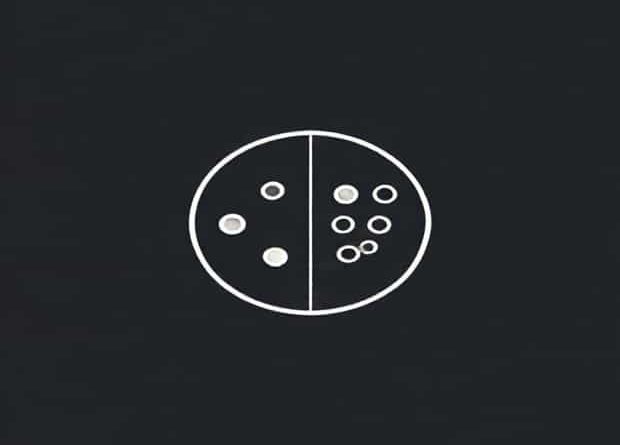
Stratified sampling is a method in which the population is divided into distinct subgroups or strata based on specific characteristics, such as age, gender, income level, or educational background. Each stratum represents a segment of the population that shares similar attributes. Once the strata are established, a random sample is drawn from each subgroup. This ensures that every segment of the population is proportionally represented in the sample.
Key Features of Stratified Sampling
- Population is divided into homogeneous subgroups called strata.
- Samples are drawn randomly from each stratum.
- Ensures representation of all subgroups in the population.
- Reduces sampling bias and increases precision in estimating population parameters.
Stratified sampling is particularly useful when certain subgroups are small but important to the research study. For example, if a study aims to examine the opinions of different age groups about a new product, stratifying the population by age ensures that each age group is adequately represented in the sample. This method allows researchers to make accurate comparisons between different subgroups.
What is Cluster Sampling?
Cluster sampling, on the other hand, involves dividing the population into separate groups called clusters, which are often based on geographic or organizational units rather than specific characteristics. Instead of sampling individuals directly, entire clusters are randomly selected, and all members within the chosen clusters are included in the sample. This method is typically used when a population is large and spread over a wide area, making individual sampling logistically challenging or costly.
Key Features of Cluster Sampling
- Population is divided into heterogeneous clusters.
- Entire clusters are randomly selected for the sample.
- Useful for large and geographically dispersed populations.
- Reduces time and cost of data collection but may introduce more sampling error compared to stratified sampling.
For example, a researcher conducting a study on school performance might use cluster sampling by selecting entire schools rather than individual students from all schools in a region. This approach saves time and resources because data is collected from existing groups, but it may result in less precision if the clusters themselves are not representative of the population as a whole.
Main Differences Between Stratified and Cluster Sampling
Although both stratified and cluster sampling involve dividing the population into groups, the purpose and methodology of these techniques are fundamentally different. Understanding these differences helps researchers select the appropriate sampling strategy for their study.
1. Basis of Division
In stratified sampling, the population is divided based on specific characteristics that are relevant to the research objectives, ensuring homogeneity within each stratum. In cluster sampling, division is often based on naturally occurring groups such as geographic regions, schools, or organizations, resulting in heterogeneous clusters.
2. Selection of Sample
Stratified sampling involves drawing random samples from each stratum, ensuring proportional representation of each subgroup. Cluster sampling involves selecting entire clusters randomly, and all individuals within the chosen clusters are included in the sample.
3. Purpose
The primary purpose of stratified sampling is to increase accuracy and precision by ensuring that all significant subgroups of the population are represented. Cluster sampling aims to reduce costs and logistical challenges in large or widely dispersed populations.
4. Homogeneity and Heterogeneity
Strata in stratified sampling are homogeneous, meaning members within each stratum share similar characteristics. In cluster sampling, clusters are typically heterogeneous, containing a mix of different characteristics, to approximate the diversity of the population within each group.
5. Sampling Error
Stratified sampling generally results in lower sampling error because the population is more accurately represented across important characteristics. Cluster sampling may have higher sampling error since clusters may not perfectly represent the entire population, especially if the selected clusters are unusually similar or different from the population.
Advantages of Stratified Sampling
- Improves representativeness of the sample.
- Reduces sampling error compared to simple random sampling.
- Allows for precise comparisons between subgroups.
- Efficient when population characteristics are known and distinct.
Advantages of Cluster Sampling
- Cost-effective and time-saving for large populations.
- Practical for geographically dispersed populations.
- Facilitates data collection by working with natural groups.
- Useful when a complete list of the population is not available.
Disadvantages of Stratified Sampling
- Requires detailed information about population characteristics.
- Can be complex and time-consuming to implement.
- May be challenging if the number of strata is large or unclear.
Disadvantages of Cluster Sampling
- Higher sampling error compared to stratified sampling.
- Selected clusters may not be fully representative.
- Analysis can be more complex due to intra-cluster similarities.
When to Use Stratified vs Cluster Sampling
Stratified sampling is ideal when researchers want to ensure specific subgroups are represented and when accurate comparisons between these groups are important. Cluster sampling is suitable for studies involving large populations spread across a wide area, where cost and logistical considerations are critical. In practice, researchers may also combine the two methods, using stratified cluster sampling to balance representativeness with efficiency.
Understanding the difference between stratified and cluster sampling is essential for designing effective research studies. Stratified sampling emphasizes representativeness and precision by dividing the population into homogeneous subgroups and sampling within each stratum. Cluster sampling prioritizes efficiency and practicality by selecting entire clusters, which may be heterogeneous, and including all members in the sample. Each method has its advantages and limitations, and the choice depends on the research goals, population characteristics, and available resources. By carefully selecting the appropriate sampling method, researchers can ensure more accurate and reliable results while optimizing time and costs in their data collection efforts.