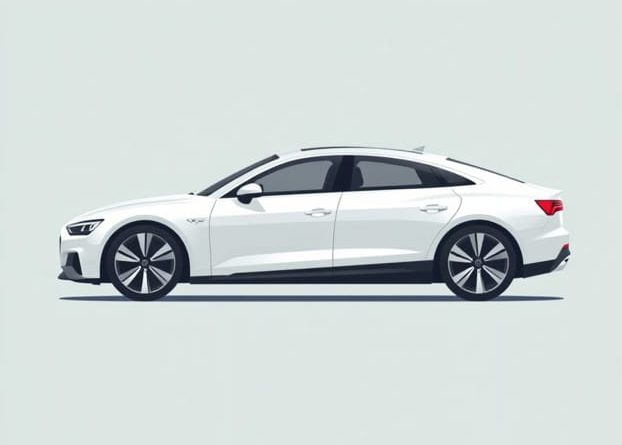
How Much Is An Audi E-Tron
The Audi e-tron represents a significant step forward in the world of electric vehicles, combining luxury, performance, and cutting-edge technology. As Audi’s first fully electric SUV, it appeals to environmentally conscious drivers who do not want to compromise on style or comfort. Understanding the price of an Audi e-tron requires considering various factors including trim levels, optional packages, incentives, and regional differences. Knowing the costs associated with this electric vehicle can help prospective buyers make informed decisions and plan their budgets effectively.
Base Price of the Audi e-tron
The base model of the Audi e-tron typically starts around $66,000 in the United States, though this figure can vary slightly depending on the dealership and regional pricing adjustments. This entry-level model offers a balanced combination of performance, range, and features, making it suitable for those who want to experience Audi’s electric technology without investing in the highest trims. The base e-tron includes standard features such as leather seating, a high-resolution infotainment system, and all-wheel drive, providing a luxurious yet efficient driving experience.
Trim Levels and Their Impact on Price
- PremiumThe base trim, starting around $66,000, includes essential luxury features and standard electric performance.
- Premium PlusPriced near $70,000 to $75,000, this trim adds advanced driver assistance systems, upgraded audio, and additional comfort features.
- PrestigeThe top-tier trim, usually exceeding $80,000, offers the most sophisticated technology, high-end materials, and luxury upgrades including enhanced lighting and customizable interior options.
Optional Packages and Add-Ons
Optional packages can significantly influence the final cost of an Audi e-tron. These packages may include technology enhancements, luxury interior upgrades, or performance features. Common add-ons include the sport package, which improves handling and provides aesthetic enhancements, or the advanced driver assistance package, which adds features such as adaptive cruise control and lane-keeping assistance. Depending on the chosen options, the final price of the e-tron can increase by $5,000 to $15,000 or more, reflecting Audi’s focus on customizable luxury.
Factors Affecting Price Beyond Trim and Packages
- Regional IncentivesSome areas offer tax credits or rebates for electric vehicles, which can lower the effective cost of the e-tron.
- Dealer FeesDestination charges, documentation fees, and dealer-specific costs can affect the final purchase price.
- Market FluctuationsChanges in demand, supply chain factors, and energy prices can influence pricing.
- Battery UpgradesEnhanced battery packs or performance versions can raise the cost while improving range and acceleration.
Performance and Range Considerations
The Audi e-tron is equipped with dual electric motors, providing all-wheel drive and responsive acceleration. The standard model delivers around 355 horsepower, while the sportier trims can reach up to 402 horsepower. Range is a critical factor for many buyers; the e-tron typically offers around 222 miles per charge, depending on driving conditions, trim, and optional features. Higher-performance versions or models with larger battery packs may offer slightly improved range but can come at a higher price, reflecting the cost of advanced battery technology.
Charging Costs and Infrastructure
- Home Charging Installing a Level 2 home charger may cost between $500 and $2,000, adding to the initial investment.
- Public Charging Pricing varies, with some fast-charging stations charging by the kilowatt-hour or offering subscription plans.
- Tax Incentives Federal and state incentives for electric vehicles can offset some of the charging infrastructure costs, making ownership more economical.
Comparing the Audi e-tron to Competitors
When evaluating how much an Audi e-tron costs, it is useful to compare it with similar luxury electric SUVs, such as the Tesla Model X, Jaguar I-PACE, or Mercedes-Benz EQC. While the e-tron may have a higher starting price than some competitors, it offers Audi’s renowned interior craftsmanship, quieter ride, and all-wheel drive stability. Buyers should consider both upfront costs and long-term value, including maintenance, warranty, and resale value, when comparing options.
Resale Value and Depreciation
Electric vehicles, including the Audi e-tron, can experience higher depreciation rates than traditional vehicles, particularly as technology evolves and new models enter the market. However, the e-tron benefits from Audi’s reputation for build quality and longevity, which can help maintain its resale value. Prospective buyers should factor in depreciation alongside incentives and potential fuel savings to understand the true cost of ownership.
Financing and Leasing Options
Many buyers choose financing or leasing to manage the cost of an Audi e-tron. Financing terms typically range from 36 to 72 months, with interest rates influenced by credit score and lender policies. Leasing can offer lower monthly payments and the ability to upgrade to newer electric models every few years, though it may include mileage limits and additional fees for wear and tear. Understanding these options allows buyers to make strategic decisions based on their budget and long-term vehicle goals.
Insurance Costs
Insurance premiums for an Audi e-tron may be higher than for standard gasoline vehicles due to the higher replacement cost of electric components and luxury features. Factors such as location, driving record, and coverage levels affect the final insurance cost. Comparing quotes from multiple insurers can help buyers find the best combination of coverage and affordability.
The Audi e-tron is a premium electric SUV offering a combination of luxury, performance, and innovative technology. Pricing begins around $66,000 for the base model and can exceed $80,000 for higher trims with optional packages. Additional factors such as dealer fees, charging infrastructure, and regional incentives influence the final cost. When considering ownership, buyers should evaluate not only the purchase price but also performance, range, financing options, insurance, and resale value. The e-tron provides a compelling option for those seeking a high-quality electric vehicle that delivers comfort, style, and advanced electric mobility.