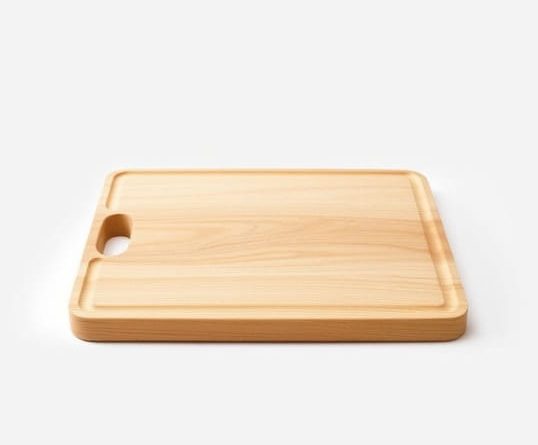
How To Clean Epicurean Cutting Board
Maintaining a clean cutting board is essential for food safety and longevity of your kitchen tools, and Epicurean cutting boards are no exception. These boards, made from sustainable wood fiber and resin, are known for their durability, knife-friendly surface, and resistance to warping. However, proper cleaning techniques are crucial to prevent bacterial growth, stains, and lingering odors. Understanding how to clean an Epicurean cutting board effectively can help preserve its appearance and ensure safe meal preparation for years to come.
Why Proper Cleaning of Epicurean Cutting Boards Matters
Epicurean cutting boards are designed to withstand heavy use while being gentle on knives. Unlike plastic cutting boards, which can develop deep grooves that harbor bacteria, Epicurean boards have a hard yet slightly textured surface that requires specific care. Regular and proper cleaning prevents the buildup of bacteria, removes food residue, and keeps your board looking like new. Additionally, because these boards are dishwasher safe but still require occasional manual care, knowing the right cleaning methods ensures that their lifespan is maximized.
Initial Cleaning Steps After Use
Immediately after using your Epicurean cutting board, it’s important to remove food ptopics to prevent staining and odors. Follow these steps
- Rinse the board under warm running water to remove loose debris.
- Use a mild dish soap and a soft sponge or cloth to gently scrub the surface. Avoid abrasive scrubbers, as they can damage the resin-infused wood fibers.
- Rinse thoroughly to remove all soap residues.
This routine helps maintain cleanliness on a daily basis and prevents food from drying onto the surface, which can make deep cleaning more difficult later.
Deep Cleaning Techniques
For deeper cleaning, particularly after cutting raw meat, fish, or strong-smelling foods like garlic and onions, additional steps are recommended. Epicurean cutting boards can withstand these methods without damage
1. Use of Baking Soda or Salt
Sprinkle baking soda or coarse salt over the surface of the board. These natural abrasives help lift stains and odors. Scrub the board with a soft sponge in a circular motion, focusing on areas with visible residue. Rinse thoroughly with warm water afterward. This method is effective for removing discoloration and minimizing lingering smells.
2. Lemon or Vinegar Treatment
For odor removal, lemon juice or white vinegar works well. Simply rub half a lemon over the surface, squeezing slightly to release juice. Alternatively, pour a small amount of vinegar on the board and wipe with a sponge. Let it sit for a few minutes to neutralize odors before rinsing with warm water. These acidic treatments are natural, safe for your board, and help maintain its sanitary condition.
3. Dishwasher Cleaning
Epicurean boards are dishwasher safe, which makes cleaning convenient. Place the board on the top rack of your dishwasher and use a regular dishwashing cycle. High heat from the dishwasher can help sanitize the board, removing bacteria that may linger after manual washing. However, frequent dishwasher use may slightly dull the board’s finish over time, so balancing manual and dishwasher cleaning is recommended.
Drying and Storage
Proper drying is just as important as cleaning. Moisture left on a cutting board can lead to bacterial growth and warping. After washing, always dry your Epicurean cutting board with a clean towel or let it air dry completely in a vertical position. Avoid stacking wet boards or storing them in closed cabinets immediately, as trapped moisture can compromise the surface. Ensuring your board is thoroughly dry before storage maintains its durability and hygienic condition.
Additional Tips for Longevity
- Use separate boards for raw and cooked foodsEven though Epicurean boards are easy to clean, using separate boards reduces the risk of cross-contamination.
- Avoid extreme heatWhile the boards are heat resistant, prolonged exposure to direct heat sources like stovetops or broilers can damage the surface.
- Regular inspectionCheck for deep scratches or grooves periodically. Minor scratches can be sanded lightly if necessary.
- Minimal use of harsh chemicalsAvoid bleach or aggressive cleaning agents, as they can deteriorate the resin fibers over time.
Preventing Common Issues
Even with proper cleaning, some issues may arise if care is neglected. Here are common problems and how to prevent them
1. Odor Retention
Odors can linger if food ptopics remain trapped. Using the baking soda, lemon, or vinegar treatments regularly helps prevent this problem. Storing the board in a well-ventilated area also reduces odor buildup.
2. Stains
While Epicurean boards resist staining better than wood alone, beets, turmeric, and other strongly colored foods may leave marks. Rinse and clean immediately after cutting such foods to minimize staining. Repeated light scrubbing can remove most discoloration.
3. Surface Wear
Heavy chopping can eventually cause minor surface wear. Avoid using serrated knives aggressively, and rotate the cutting areas used most frequently. Periodic gentle sanding can refresh the board’s surface if necessary.
Summary
Cleaning and maintaining an Epicurean cutting board is straightforward but requires attention to detail to ensure safety and durability. Daily rinsing and soap cleaning, combined with periodic deep cleaning using baking soda, lemon, or vinegar, help prevent stains, odors, and bacterial growth. Utilizing the dishwasher occasionally, drying thoroughly, and storing correctly further extend the life of the board. Following these steps allows you to enjoy the knife-friendly, durable surface of an Epicurean cutting board while keeping your kitchen safe and hygienic for years to come. With consistent care, your Epicurean board will remain a reliable, efficient, and attractive tool for all your food preparation needs.