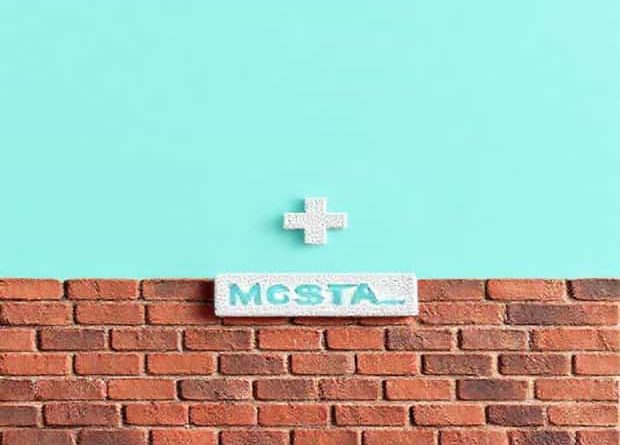
I Hospitalized A Brick
The phrase I hospitalized a brick may sound absurd at first glance, yet it has found a place in modern internet culture and meme communities. This unusual expression is often used humorously to exaggerate scenarios or describe situations where someone overreacts or does something completely unnecessary. While bricks are inanimate objects and cannot be hospitalized, the phrase serves as a metaphor, highlighting the contrast between ordinary objects and exaggerated human intervention. Understanding this phrase requires exploring its origins, usage, and cultural implications.
Origins of the Phrase I Hospitalized a Brick
The phrase appears to have emerged from online forums and social media, particularly in meme culture where absurdity and exaggeration are embraced for comedic effect. Users often create statements that are intentionally illogical to generate humor, irony, or surprise. I hospitalized a brick fits this pattern perfectly, taking an everyday object and applying a scenario that is completely impossible, thereby eliciting amusement and curiosity.
Early Uses in Internet Culture
In the early 2010s, internet humor increasingly embraced surreal and nonsensical statements. Platforms such as Tumblr, Reddit, and Twitter became breeding grounds for such content. The phrase I hospitalized a brick was shared alongside other absurd statements, usually accompanied by an image or short narrative to enhance the comedic impact. Memes often exaggerate normal actions, and in this case, a mundane object like a brick becomes the victim of exaggerated care.
Meaning and Interpretation
Although the literal interpretation of the phrase is impossible, its figurative meaning is what gives it value. The phrase typically conveys
- An exaggerated reaction to a simple problem or situation.
- Humor derived from absurdity and impossibility.
- A metaphorical commentary on over-preparedness or overreaction.
For example, someone might use it to humorously describe taking extreme measures to solve a minor issue, such as meticulously cleaning a room in response to a small spill or spending excessive effort on an unnecessary task.
Psychology Behind the Humor
Humor that comes from absurdity is rooted in cognitive incongruity. The brain recognizes a mismatch between expectation and reality, leading to amusement. In the case of I hospitalized a brick, the incongruity is clear bricks cannot be hospitalized. This playful violation of logic triggers laughter while also demonstrating creativity in language use. People enjoy seeing familiar concepts presented in unexpected, exaggerated, or impossible ways.
Usage in Everyday Language
While primarily popular in online contexts, the phrase has slowly infiltrated casual conversation among younger generations familiar with internet memes. It can be used to emphasize overreaction, highlight ridiculous scenarios, or simply inject humor into a discussion. Unlike conventional expressions, it is intentionally illogical, and this absurdity is central to its appeal.
Examples of Usage
- I hospitalized a brick just to prove I could carry it safely across the yard.
- He over-prepared for the quiz so much, I felt like he hospitalized a brick.
- I accidentally dropped my phone and panicked; I basically hospitalized a brick trying to fix it.
Each example demonstrates how the phrase functions metaphorically. It conveys effort, overreaction, or absurdity rather than any literal event. The humor comes from juxtaposing human actions with an impossible object.
Cultural and Meme Significance
In meme culture, absurd phrases like I hospitalized a brick thrive because they are highly shareable and provoke engagement. The statement’s nonsensical nature encourages creative responses, remixes, and adaptations. Users might pair the phrase with images, gifs, or stories to create entirely new humorous contexts, spreading the meme across platforms.
Impact on Online Communication
- Encourages creative language use.
- Promotes inside jokes and cultural references among online communities.
- Allows individuals to exaggerate or dramatize mundane experiences for comedic effect.
Because of its surreal quality, the phrase serves as a shorthand in certain circles for describing over-the-top reactions. It also functions as a playful way to test the boundaries of language and logic in digital communication.
Comparisons to Other Absurd Phrases
Similar absurd or surreal expressions exist in meme culture, such as I fed my laptop spaghetti or I hugged a cloud. These phrases share common traits
- They involve impossible scenarios.
- They exaggerate mundane actions.
- They rely on cognitive incongruity for humor.
By comparing these phrases, it becomes clear that I hospitalized a brick is part of a larger trend in online humor that blends absurdity, exaggeration, and relatability. These phrases often spread rapidly because they allow users to creatively express complex emotions or experiences in a humorous, unexpected way.
Practical Use and Social Interaction
Despite its absurdity, the phrase can be useful in social interactions. It conveys humor, creativity, and cultural literacy in digital contexts. Using the phrase can signal familiarity with internet culture, making it a tool for social bonding among like-minded groups.
Tips for Using the Phrase
- Use it in informal settings with audiences familiar with meme culture.
- Pair it with visual content for added comedic effect.
- Use it to exaggerate minor overreactions or absurd scenarios.
Its flexibility allows it to be adapted creatively. For instance, users can substitute different objects or scenarios while maintaining the humorous absurdity, such as I hospitalized a pencil or I hospitalized my sandwich.
I hospitalized a brick is a prime example of the evolving nature of language and humor in the digital age. While the phrase is literally impossible, its figurative and humorous use makes it meaningful within internet culture. It conveys overreaction, absurdity, and playful exaggeration, demonstrating how people creatively manipulate language to communicate emotions, humor, and social awareness. Whether used in memes, casual conversations, or online storytelling, it remains a striking example of how absurdity can enrich communication and bring people together through shared cultural references. By understanding the phrase’s origins, meaning, and cultural significance, we can appreciate the imaginative ways language continues to evolve in the modern world.