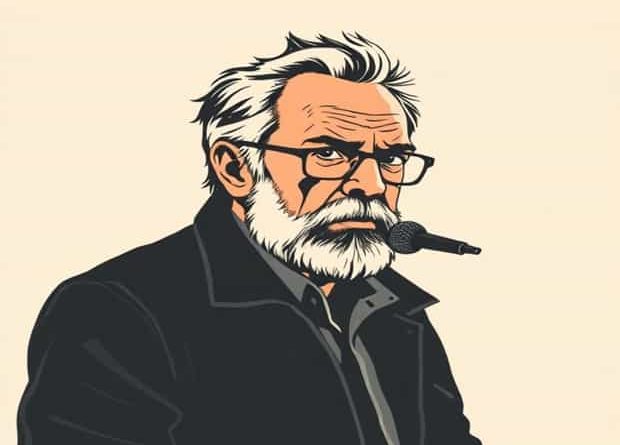
James Carlson ? Agitator
James Carlson, a 40-year-old professional agitator and attorney, has garnered significant attention due to his involvement in various high-profile protests and his contentious actions during these events. Despite his privileged background as an heir to a multimillion-dollar advertising empire, Carlson has positioned himself as a radical activist, often engaging in direct action tactics that have led to multiple arrests and legal challenges. His activities raise pertinent questions about the intersection of privilege, activism, and the methods employed to challenge societal norms.
Background and Upbringing
Born into a wealthy family, James Carlson is the son of Richard Dick” Tarlow and Sandy Carlson Tarlow, both prominent figures in the advertising industry. His father, who passed away in 2022, was known for his work with major brands like Revlon and Ralph Lauren. Despite this affluent upbringing, Carlson has chosen to distance himself from his family’s legacy, aligning himself with anarchist ideologies and engaging in activism that often challenges the very systems that afforded him his privileges. This contrast between his background and his chosen path has been a focal point in discussions about his motivations and the authenticity of his activism.
Activism and Legal Issues
James Carlson’s activism has been marked by direct and often confrontational actions. In April 2024, he was involved in a protest at Columbia University, where he was arrested for trespassing and later indicted on charges related to burning an Israeli flag. The incident occurred during a demonstration that escalated into a standoff with police, leading to multiple arrests. Carlson’s actions during this protest, including the alleged burning of a flag and subsequent charges, have been widely reported and scrutinized in the media.
Beyond this event, Carlson’s history includes a series of legal issues dating back to 2005. He has faced various charges, including burglary, reckless endangerment, and conspiracy, stemming from his participation in protests and other direct action campaigns. These legal entanglements have contributed to his reputation as a controversial figure within activist circles and the broader public.
Public Perception and Criticism
James Carlson’s activities have sparked a range of reactions from the public and media. Supporters view him as a passionate advocate for social change, willing to take bold actions to draw attention to issues he deems important. They argue that his willingness to challenge authority and confront societal injustices is commendable, even if his methods are unconventional.
Critics, however, question the authenticity of his activism, given his privileged background. They argue that his actions may be more about personal notoriety than genuine concern for the causes he champions. The juxtaposition of his wealth and radical activism has led some to label him a “limousine liberal,” suggesting that his protests are more performative than substantive.
James Carlson’s life and actions present a complex case study of privilege intersecting with activism. His background as an heir to a multimillion-dollar fortune contrasts sharply with his radical activism and legal troubles. Whether viewed as a committed activist or a provocateur seeking attention, Carlson’s story underscores the multifaceted nature of modern protest movements and the diverse motivations that drive individuals to challenge societal norms.