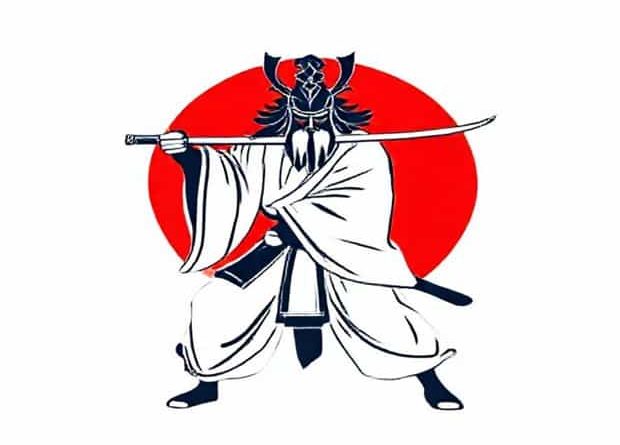
Japanese God Of Swordsmanship
Japanese mythology is rich with deities and spirits associated with various aspects of life, nature, and human skills. Among these, the concept of swordsmanship holds a special place, reflecting the historical importance of the samurai and the art of the sword, or kenjutsu. The Japanese god of swordsmanship is often identified with deities who embody martial prowess, skill, and the disciplined spirit required to master the blade. Understanding this divine figure requires exploring Japanese mythology, Shinto beliefs, and the cultural significance of swords in Japanese history.
Introduction to Japanese Swordsmanship and Deities
In Japanese culture, the sword is not merely a weapon; it is a symbol of honor, discipline, and spiritual focus. Swordsmanship, or kenjutsu, involves rigorous training, mental discipline, and adherence to ethical codes such as bushido, the way of the warrior. Within Shinto and Japanese mythology, several gods are associated with martial skills, but the one most closely tied to swordsmanship is Takemikazuchi-no-Mikoto. This deity embodies martial prowess and is revered for his role in establishing order through combat and skillful strategy.
Fun Fact The Spiritual Significance of the Sword
In Japanese culture, swords are often seen as extensions of the warrior’s soul. The divine connection between gods and swords underscores the belief that mastering the blade is both a physical and spiritual pursuit.
Takemikazuchi God of Swordsmanship and Martial Prowess
Takemikazuchi-no-Mikoto is a prominent kami, or god, in Shinto mythology, often associated with thunder, martial skill, and swordsmanship. He is known for his exceptional combat abilities and is considered a protector of Japan. Takemikazuchi played a critical role in mythological accounts of the pacification and conquest of the land of Japan, demonstrating not only raw strength but also strategic mastery in battle. His connection to swords symbolizes his authority in martial matters and his ability to enforce order and discipline through combat.
Fun Fact Takemikazuchi’s Role in Myth
One of the most famous stories involving Takemikazuchi is his role in subduing the land during the age of the gods. He is said to have wielded a divine sword to defeat adversaries and establish harmony, making him a central figure in the pantheon of martial deities.
The Symbolism of Swordsmanship in Shinto Beliefs
Swordsmanship in Shinto is more than a physical skill; it is a spiritual practice. The sword represents discipline, focus, and moral integrity. Gods like Takemikazuchi symbolize these qualities, guiding humans not just in battle but in personal development and ethical conduct. The divine association with swords reflects the belief that martial skill is a sacred practice, requiring respect, training, and alignment with spiritual principles.
Fun Fact Swords as Sacred Objects
In Shinto shrines, sacred swords known as kami no ken are often enshrined as objects of worship. These swords are considered imbued with divine power, and their presence reinforces the connection between martial skill and spiritual virtue.
Other Deities Associated with Martial Arts
While Takemikazuchi is most directly linked to swordsmanship, other Japanese deities also embody martial skill and discipline
- HachimanThe god of war and archery, Hachiman is often revered by samurai and martial artists for protection and guidance in battle. Although not exclusively associated with swords, his influence extends to martial skill in general.
- Futsunushi-no-KamiAnother martial deity, Futsunushi is connected to strategy and combat, often worshiped alongside Takemikazuchi for those seeking success in martial endeavors.
- AmaterasuAs the sun goddess, Amaterasu indirectly influences swordsmanship by blessing warriors and providing divine guidance, symbolizing clarity, focus, and righteous action.
The Cultural Importance of Swordsmanship in Japan
Japanese swordsmanship is historically intertwined with the samurai class, who followed strict codes of conduct and developed sophisticated martial techniques. The god of swordsmanship served as a spiritual patron for these warriors, guiding them in skill, discipline, and moral behavior. Festivals, rituals, and offerings to Takemikazuchi and other martial deities often sought blessings for success, protection, and the refinement of skill. The spiritual aspect of swordsmanship reinforced the idea that mastery of the blade was a lifelong pursuit requiring both physical and ethical discipline.
Fun Fact Samurai and Shinto Rituals
Samurai would often perform rituals at Shinto shrines before battles, seeking guidance from martial deities. These practices highlight the belief that swordsmanship was not only a skill but also a sacred responsibility.
Takemikazuchi in Modern Japan
Even today, Takemikazuchi continues to be revered in certain Shinto practices, particularly those related to martial arts, sword-making, and ceremonial combat demonstrations. Martial artists may honor him during training or tournaments, reflecting a continuity of spiritual and cultural tradition. His role demonstrates the enduring connection between divine inspiration and human skill, showing that the god of swordsmanship is as much about moral and spiritual guidance as technical mastery of the blade.
Fun Fact Martial Arts and Spiritual Practice
Modern Japanese martial arts, such as kendo and iaido, retain elements of spiritual focus that echo the divine influence of Takemikazuchi. Practitioners often meditate and engage in rituals to cultivate both skill and inner discipline.
The Philosophical Aspect of Swordsmanship
The Japanese god of swordsmanship also embodies philosophical principles. The mastery of the sword represents the cultivation of patience, focus, and ethical behavior. According to Shinto belief, a warrior’s spirit must align with moral righteousness, and the sword becomes an extension of one’s character. Takemikazuchi serves as a model of how divine guidance can shape human behavior, teaching that true mastery comes from the union of physical skill, mental discipline, and ethical integrity.
Fun Fact The Sword as a Teacher
In traditional martial arts, the sword is often referred to as a teacher because it demands respect, precision, and continual learning. This philosophical approach mirrors the lessons associated with the god of swordsmanship.
The Japanese god of swordsmanship, primarily represented by Takemikazuchi-no-Mikoto, is a powerful figure embodying martial skill, spiritual discipline, and moral integrity. Associated with thunder, combat, and divine authority, Takemikazuchi serves as a patron for warriors and martial artists, offering guidance in both technical mastery and ethical conduct. Alongside other martial deities like Hachiman and Futsunushi, he highlights the spiritual dimension of swordsmanship, demonstrating that the art of the blade is as much about inner discipline as physical prowess. Through myth, ritual, and historical practice, the god of swordsmanship continues to influence Japanese culture, reminding us that mastery of skill is inseparable from moral and spiritual development.
From the sacred swords enshrined in Shinto shrines to the modern practice of kendo, the legacy of Takemikazuchi as the god of swordsmanship endures, bridging ancient mythology and contemporary martial tradition. By studying his myths and cultural significance, one gains a deeper appreciation for the spiritual, ethical, and technical dimensions of swordsmanship in Japanese culture, highlighting the timeless relevance of this divine figure.