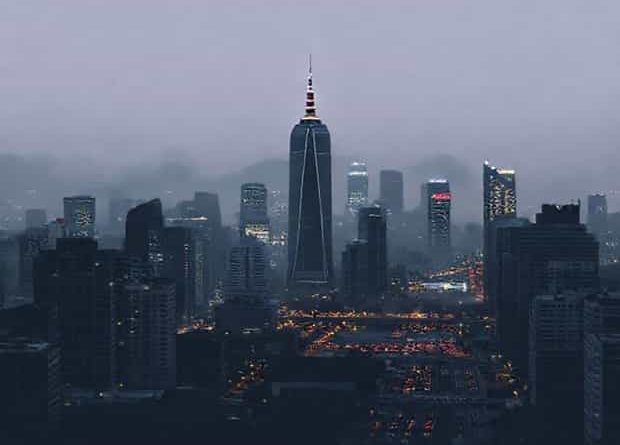
Most Air Polluted City In The World
Air pollution has become one of the most pressing environmental challenges of our time, affecting millions of people worldwide. Among the various pollutants, particulate matter (PM2.5 and PM10) poses significant health risks, leading to respiratory and cardiovascular diseases. Understanding which cities experience the worst air quality can help prioritize global efforts to combat pollution and protect public health.
Byrnihat, India The Most Polluted City in the World
As of 2025, Byrnihat, a small industrial town in the northeastern state of Meghalaya, India, holds the unfortunate distinction of being the most polluted city globally. According to the World Air Quality Index, Byrnihat recorded an average PM2.5 concentration of 204 µg/m³ in 2024, far exceeding the World Health Organization’s (WHO) annual safe limit of 5 µg/m³. This alarming level of pollution is primarily attributed to the extensive coal mining activities in the region, which release large amounts of particulate matter into the atmosphere.
Contributing Factors to Byrnihat’s Pollution
- Coal MiningThe extraction and transportation of coal generate significant dust and particulate matter.
- Vehicular EmissionsIncreased traffic, especially heavy trucks, contributes to elevated pollution levels.
- Industrial ActivitiesLocal industries emit pollutants that degrade air quality.
- Geographical FactorsThe region’s topography may trap pollutants, preventing their dispersion.
Other Highly Polluted Cities
While Byrnihat tops the list, several other cities around the world suffer from poor air quality
Delhi, India
India’s capital, Delhi, consistently ranks among the most polluted cities globally. In 2024, Delhi’s average PM2.5 concentration was 91.8 µg/m³, significantly higher than the WHO’s recommended limit. Factors contributing to Delhi’s pollution include vehicular emissions, industrial activities, construction dust, and crop burning in neighboring states.
Karaj, Iran
Karaj, located near Tehran, Iran, recorded a PM2.5 concentration of 180 µg/m³ in 2025. The city’s pollution is primarily due to industrial emissions, vehicular exhaust, and dust storms originating from arid regions.
Dhaka, Bangladesh
Dhaka, the capital of Bangladesh, faces severe air pollution challenges. With an average PM2.5 concentration of 94.6 µg/m³ in 2025, Dhaka’s pollution stems from rapid urbanization, vehicular emissions, industrial activities, and construction dust.
Faridabad, India
Faridabad, a satellite city of Delhi, recorded a PM2.5 concentration of 94.5 µg/m³ in 2025. The city’s pollution is influenced by its proximity to Delhi, industrial emissions, and vehicular traffic.
Health Implications of Poor Air Quality
Exposure to high levels of air pollution has been linked to various health problems
- Respiratory DiseasesConditions such as asthma, bronchitis, and chronic obstructive pulmonary disease (COPD) are exacerbated by polluted air.
- Cardiovascular DiseasesLong-term exposure increases the risk of heart attacks and strokes.
- Lung CancerProlonged exposure to carcinogenic pollutants can lead to lung cancer.
- Premature DeathsThe World Health Organization estimates that air pollution is responsible for millions of premature deaths annually.
Efforts to Combat Air Pollution
Various initiatives are being undertaken globally to improve air quality
- Government RegulationsImplementing stricter emissions standards for industries and vehicles.
- Renewable Energy AdoptionPromoting the use of clean energy sources to reduce reliance on fossil fuels.
- Public Awareness CampaignsEducating citizens about the health risks of air pollution and ways to reduce exposure.
- Urban PlanningDesigning cities to minimize traffic congestion and promote green spaces.
Byrnihat’s status as the most polluted city in the world underscores the urgent need for comprehensive strategies to address air pollution. While efforts are being made globally to improve air quality, much work remains to be done. Collaborative actions at the local, national, and international levels are essential to combat this pressing issue and safeguard public health.