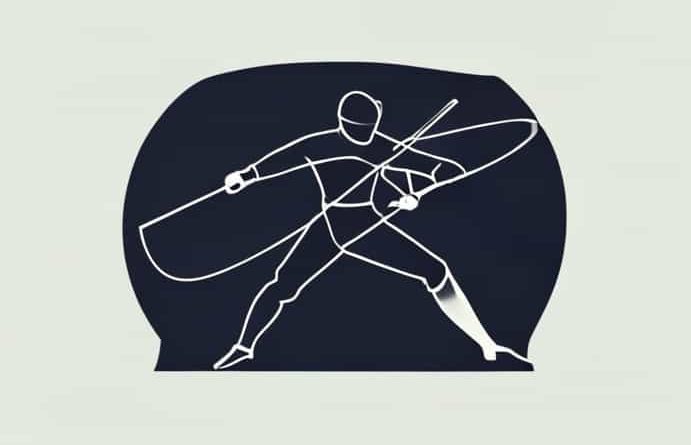
What Is Epee Fencing
Epee fencing is one of the three main disciplines in the sport of fencing, a competitive combat sport that has been practiced for centuries and is featured in the Olympic Games. Known for its strategic depth, precision, and technical demands, epee fencing focuses on the use of a thrusting weapon called the epee, which is the heaviest of the three fencing swords. Unlike foil or sabre, epee allows hits on the entire body, making timing, accuracy, and patience essential skills for success. Understanding epee fencing, its rules, techniques, and strategies provides insight into the discipline’s complexity and the athleticism required to excel in this unique and challenging sport.
History of Epee Fencing
The origins of epee fencing trace back to European dueling practices during the 18th and 19th centuries. The epee was developed as a sport version of the dueling sword, intended to simulate real-life duels while maintaining safety and fairness. Early fencing schools in France popularized the epee, and it eventually became recognized as a distinct competitive discipline. Today, epee fencing is governed by international organizations such as the Fédération Internationale d’Escrime (FIE) and has a structured set of rules, competitions, and ranking systems that attract athletes worldwide.
The Epee Weapon
The epee is a thrusting weapon designed for precision and control. Key characteristics include
- Heavier weight compared to foil and sabre
- A stiffer blade for accurate thrusting
- A large bell guard to protect the hand
- The ability to score hits on any part of the opponent’s body
The design of the epee emphasizes careful targeting and strategy rather than speed or slashing movements, which distinguishes it from other fencing disciplines.
Rules of Epee Fencing
Epee fencing has a unique set of rules that govern scoring, timing, and conduct during matches. Understanding these rules is essential for athletes and spectators alike.
Scoring
In epee fencing, a touch is scored when the tip of the weapon makes contact with any part of the opponent’s body. Unlike foil or sabre, there is no concept of right-of-way, which means that simultaneous touches by both fencers result in points for both competitors. Matches typically continue until one fencer reaches the predetermined number of points or the allotted time expires.
Match Format
Epee matches are divided into bouts that last up to three periods of three minutes each, with one-minute breaks in between. If the score is tied at the end of regulation time, a sudden-death period is held to determine the winner. Competitors are required to wear protective gear, including a mask, jacket, gloves, and underarm protector, to ensure safety.
Fouls and Penalties
Fencers can be penalized for various infractions, including stepping off the piste (the designated fencing area), using excessive force, or unsportsmanlike behavior. Referees enforce these rules to maintain fairness and safety during competitions.
Techniques in Epee Fencing
Success in epee fencing relies on a combination of technical skill, strategy, and mental acuity. Key techniques include
Footwork
Precise footwork allows fencers to control distance, maintain balance, and evade attacks. Common movements include advancing, retreating, lunging, and side-stepping to create opportunities for attacks and defenses.
Attacks
Attacks in epee involve thrusting the tip of the weapon toward the opponent’s target area. Techniques range from simple straight thrusts to complex compound attacks that involve feints, changes of line, or directional adjustments to deceive the opponent.
Defenses
Defensive techniques include parries, counter-attacks, and disengages. Parrying involves deflecting the opponent’s blade to prevent scoring, while counter-attacks exploit openings created during an opponent’s offensive moves.
Timing and Distance
Effective epee fencing depends on controlling the distance between fencers and timing attacks or defenses precisely. Patience and observation are crucial, as premature attacks can leave a fencer vulnerable to counter-attacks.
Strategies in Epee Fencing
Unlike sabre or foil, where speed and aggression often dominate, epee fencing requires strategic thinking and careful planning. Common strategies include
- Defensive StrategyMaintaining a cautious approach, waiting for the opponent to make a mistake.
- Offensive StrategyApplying continuous pressure to provoke openings and score touches.
- Double Touch AwarenessManaging simultaneous touches effectively, as both fencers can score in epee.
- Distance ControlUsing footwork to manipulate the opponent’s reach and create opportunities for scoring.
Training and Preparation
Epee fencing requires rigorous training, including physical conditioning, technical drills, and mental preparation. Key components of training include
Physical Conditioning
Fencers develop strength, agility, and endurance to maintain quick reactions and precise movements throughout bouts. Core strength and leg conditioning are particularly important for lunges and rapid footwork.
Technical Drills
Practicing attacks, defenses, and combinations allows fencers to refine their skills and develop muscle memory for competitive situations. Drills often include target practice, timing exercises, and sparring sessions with partners.
Mental Preparation
Strategic thinking, focus, and emotional control are crucial in epee fencing. Mental preparation helps athletes manage stress, anticipate opponents’ moves, and maintain concentration during matches.
Competitions and Tournaments
Epee fencing is featured in national and international competitions, including the Olympic Games, World Championships, and regional tournaments. Competitors are ranked based on performance, and tournaments follow strict regulations set by fencing governing bodies such as the Fédération Internationale d’Escrime (FIE). Successful epee fencers combine technical skill, strategic insight, and mental resilience to excel at the highest levels of competition.
Benefits of Practicing Epee Fencing
Engaging in epee fencing provides numerous physical, mental, and social benefits, including
- Enhanced agility, coordination, and cardiovascular fitness
- Improved focus, strategic thinking, and decision-making skills
- Development of discipline, patience, and perseverance
- Opportunities for social interaction and teamwork in training environments
- Increased confidence and mental resilience through competition and skill mastery
Epee fencing is a dynamic and challenging discipline that combines physical skill, mental acuity, and strategic insight. With its unique rules, emphasis on precision, and allowance of hits to the entire body, epee fencing demands patience, timing, and careful decision-making. Whether practiced for competitive purposes, personal fitness, or recreational enjoyment, epee fencing offers a blend of athleticism, strategy, and mental focus that appeals to a wide range of participants. Understanding the techniques, rules, and strategies of epee fencing enhances appreciation for this historic sport and highlights the dedication required to excel at its highest levels.