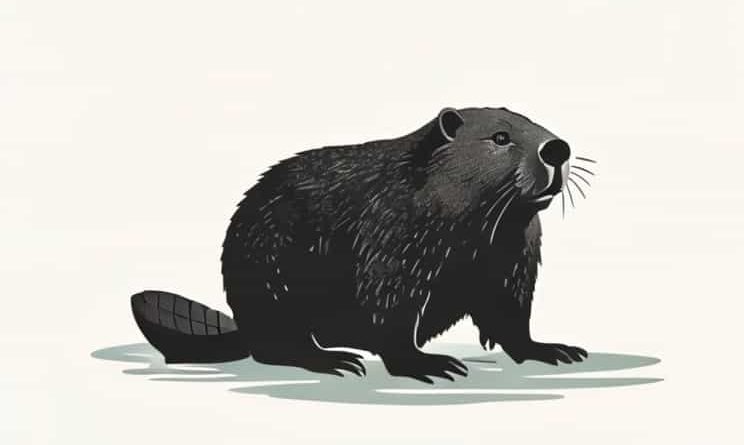
Voice Of Beaver In Narnia
When people think of the magical world of Narnia, their minds often go to majestic lions, brave children, and epic battles of good versus evil. However, one of the most memorable elements for fans is not a battle scene or a mythical creature, but rather the voice of Beaver in Narnia. Mr. and Mrs. Beaver play pivotal roles in guiding the Pevensie children, and the voice acting behind them brought warmth, humor, and wisdom to life. The unique tones of the beavers’ voices helped shape the atmosphere of the story, making these characters more than just side companions-they became trusted guides and beloved parts of the Narnia journey.
The Importance of Mr. and Mrs. Beaver
Before diving into the significance of their voices, it is essential to understand the importance of the Beaver characters inThe Lion, the Witch and the Wardrobe. In both the book and film adaptations, Mr. and Mrs. Beaver are the ones who first provide shelter to the Pevensie children after they escape from the White Witch’s spies. They introduce the children to the prophecy, guide them toward Aslan, and help them understand their roles in the fight for Narnia’s freedom. Their presence blends practicality with humor, and much of this balance is conveyed through how they speak.
The Voice of Beaver in the Film Adaptation
In the 2005 film adaptation ofThe Chronicles of Narnia The Lion, the Witch and the Wardrobe, Mr. Beaver was voiced by actor Ray Winstone, while Mrs. Beaver was voiced by Dawn French. These casting choices were widely praised because the voices perfectly matched the personalities of the characters. Winstone’s gruff yet warm tone gave Mr. Beaver a down-to-earth, working-class charm. In contrast, French’s witty and nurturing delivery gave Mrs. Beaver both comic relief and maternal care. Together, their voices became iconic to audiences who grew up with the film.
Why Ray Winstone’s Voice Stood Out
Ray Winstone, known for his strong, gritty performances in films, brought a sense of strength and realism to Mr. Beaver. His accent gave Mr. Beaver the feel of a humble, hardworking figure, someone who was relatable rather than overly polished. This grounded the magical story in a sense of everyday life, making the beaver feel like a neighbor you could trust in difficult times.
The Charm of Dawn French as Mrs. Beaver
Dawn French, a beloved comedian and actress, added layers of humor and heart to Mrs. Beaver’s character. Her voice carried warmth and kindness, but it also had an unmistakable wit that made her memorable. Audiences could instantly connect with Mrs. Beaver because French’s delivery made the character sound like a caring friend who could also make you laugh in the darkest times.
Voice Acting in Animation and Audiobooks
Beyond the film adaptation, the voice of Beaver in Narnia has been portrayed in animated versions and audiobook readings. Each interpretation of the Beavers has emphasized slightly different qualities. In some adaptations, the voices lean toward playful and cartoonish, emphasizing the beaver-like qualities of the characters. In others, especially audiobooks, narrators focus more on their wisdom and supportive roles. These variations highlight how flexible the Beaver characters are and how much the voice performances shape how they are perceived.
How the Voices Shape the Storytelling
The power of voice acting lies in how it shapes the emotional tone of a story. For the Beavers, their voices serve several purposes
- GuidanceTheir calm and reassuring voices help the children (and the audience) trust them.
- HumorThe lighthearted delivery provides relief in an otherwise tense storyline.
- WisdomTheir voices carry authority when explaining Narnian prophecies and Aslan’s importance.
- RelatabilityThe accents and tones make them feel grounded, bridging the magical and the ordinary.
Why Fans Remember the Beavers’ Voices
Fans of the Narnia films often recall the Beavers’ voices with affection. For many, the characters stand out because of the comfort and humor they brought to the story. While Aslan represents majesty and courage, the Beavers represent warmth, guidance, and a sense of home. Their voices created a safe space for the Pevensie children, which in turn made audiences feel secure as well. It is not surprising that for many viewers, the Beavers’ voices are among the most memorable aspects of the adaptation.
Symbolism Behind the Beaver Characters
Beyond their dialogue, the voices of Mr. and Mrs. Beaver also symbolize deeper themes within the story. Beavers are traditionally associated with hard work, loyalty, and family life. The voices chosen in the film reflect these qualities. Mr. Beaver’s working-class tone emphasizes diligence and strength, while Mrs. Beaver’s nurturing voice reflects care and domestic stability. Together, their voices mirror the values of loyalty, family, and resilience that underpin much of Narnia’s story.
Comparisons Between Adaptations
The 1979 Animated Version
In the animated adaptation ofThe Lion, the Witch and the Wardrobe, the Beavers were voiced with lighter, somewhat whimsical tones. While still carrying authority, they leaned more into the playful side of their personalities, highlighting the fantasy element of the story.
The 2005 Live Action Film
The 2005 version remains the most iconic to modern audiences, largely because of the strength of the voice acting. The combination of Winstone and French created a partnership that felt authentic, humorous, and emotionally grounded.
Audiobook Interpretations
In audiobook versions, different narrators bring their own interpretations. Some lean into heavy accents to make the Beavers sound distinctly earthy, while others use softer tones to highlight their comforting nature. These performances remind us how much variation in voice can alter the audience’s emotional connection.
Impact on Pop Culture
The voice of Beaver in Narnia has even had an impact beyond the films and books. Quotes from Mr. and Mrs. Beaver are often remembered by fans, and their voices are sometimes imitated for fun. Because the characters represent trust, warmth, and humor, they have become cultural touchstones for many who grew up with the story. Their voices remind audiences of the first time they entered Narnia and the sense of wonder that came with it.
Lessons from the Beavers’ Voices
There are several lessons audiences can take from the voices of the Beavers
- Guidance often comes from humble, relatable figures rather than majestic ones.
- Humor and warmth are essential in times of fear or uncertainty.
- Voice and tone can influence trust and emotional connection in storytelling.
The voice of Beaver in Narnia is more than just a detail of production-it is a key part of how the story is experienced. Whether it is Ray Winstone’s rugged delivery or Dawn French’s nurturing wit, the voices behind Mr. and Mrs. Beaver brought these characters to life in unforgettable ways. They grounded the fantasy of Narnia with humor, wisdom, and heart, ensuring that the Beavers remain cherished characters in the legacy of C.S. Lewis’s world. For fans, the memory of their voices continues to echo whenever they return to the magical land of Narnia.