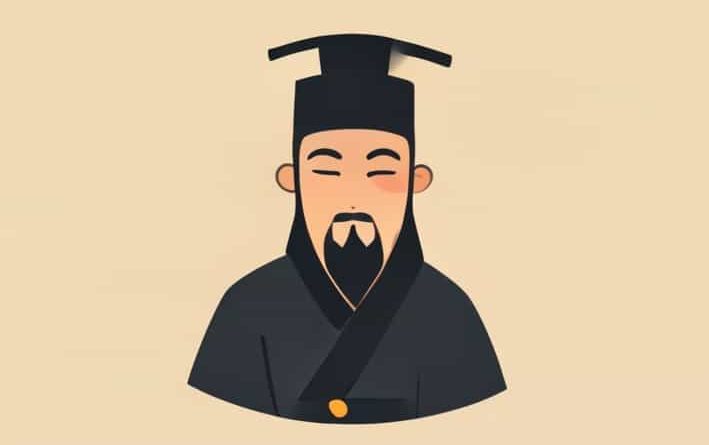
What Is A Shinto Priest
A Shinto priest is a religious leader in the Shinto tradition, which is the indigenous faith of Japan. These priests, known as kannushi or shinshoku, play a central role in performing rituals, maintaining shrines, and guiding worshippers in spiritual practices. Shinto priests are responsible for preserving the connection between humans and kami, which are the spirits or deities central to Shinto belief. Their duties include conducting ceremonies for purification, blessing events, and overseeing festivals, making them integral to both religious life and community culture in Japan. Understanding the role of a Shinto priest provides insight into Japanese spirituality, cultural traditions, and the enduring importance of ritual in daily life.
Role and Responsibilities of a Shinto Priest
Shinto priests serve as intermediaries between humans and kami, facilitating worship and spiritual communication. Their duties are diverse and involve both ceremonial and administrative tasks. A key responsibility is conducting rituals for purification, which is a cornerstone of Shinto practice. Priests perform rites to cleanse individuals, objects, or spaces from spiritual impurities, ensuring harmony and balance. Additionally, they conduct blessings for events such as weddings, newborn introductions, business openings, and seasonal festivals, helping to invoke divine favor and protection.
Ceremonial Duties
The ceremonial functions of a Shinto priest are extensive and require deep knowledge of traditional practices, chants, and ritual implements. Some of the most common ceremonies include
- Purification Rites (Harae)These rituals remove spiritual impurities, using symbolic gestures, water, salt, or prayers.
- Seasonal Festivals (Matsuri)Priests oversee local and national festivals, which may include offerings, dances, music, and prayers to kami.
- Life Event BlessingsCeremonies for weddings, births, and coming-of-age rituals are led by priests to ensure divine favor and protection.
- Shrine OfferingsPriests present offerings of food, sake, or symbolic items to the kami, maintaining the spiritual relationship between humans and deities.
Training and Ordination of a Shinto Priest
Becoming a Shinto priest requires years of study, spiritual training, and practical experience. Traditional training often involves learning the history, mythology, and ritual practices of Shinto, as well as mastering ceremonial techniques. Priests may study at Shinto training schools or under the mentorship of experienced kannushi. In addition to ritual knowledge, aspiring priests learn about shrine management, community engagement, and the ethical responsibilities of their role. Ordination usually occurs when the trainee demonstrates competence in rituals, knowledge of Shinto texts, and the ability to lead worshippers effectively.
Pathways to Priesthood
- Family LineageSome priests inherit their roles from family traditions, maintaining centuries-old shrine lineages.
- Formal EducationSpecialized training programs at Shinto academies provide structured learning in theology, ritual, and shrine management.
- ApprenticeshipHands-on training under an experienced priest allows the trainee to gain practical skills in ceremony performance and shrine administration.
Shinto Priests in Modern Japan
In contemporary Japan, Shinto priests continue to play a vital role in both religious and community life. Shrines are not only places of worship but also cultural centers, hosting festivals, educational programs, and public ceremonies. Priests often engage with local communities, providing spiritual guidance, leading prayers for natural disasters or national events, and supporting social cohesion. While modernization has changed some aspects of daily life, the presence of Shinto priests ensures that traditional rituals and cultural practices remain vibrant.
Community Engagement
Shinto priests maintain a strong connection with their communities. They offer guidance during personal milestones, provide advice for maintaining spiritual well-being, and coordinate community events that celebrate seasonal or historical traditions. Their involvement reinforces cultural continuity and strengthens the bonds between community members and their shared spiritual heritage.
Adaptation to Modern Challenges
Modern Shinto priests often balance traditional responsibilities with contemporary needs. Some manage tourism at famous shrines, engage in environmental and educational initiatives, or assist with media presentations of Shinto culture. While the essence of their spiritual duties remains unchanged, these adaptations help keep Shinto practice relevant in a rapidly changing society.
Symbols and Attire of Shinto Priests
The attire and symbols of a Shinto priest carry deep cultural and spiritual meaning. Traditional garments include
- JōeA white robe often worn during rituals to symbolize purity and spiritual cleanliness.
- EbōshiA traditional hat that signifies priestly status and authority within the shrine.
- ShakuA flat wooden scepter used during ceremonial rites.
- Ritual ImplementsTools such as sakaki branches, bells, and sacred ropes are used to perform purification and offerings.
Importance of Shinto Priests in Cultural Preservation
Shinto priests play a critical role in preserving Japan’s cultural heritage. By maintaining rituals, ceremonies, and shrine traditions, priests ensure that centuries-old practices are passed down to future generations. They help educate the public about Shinto mythology, ethical teachings, and the significance of natural elements in spiritual life. Through their work, priests contribute not only to religious practice but also to the preservation of Japan’s historical and cultural identity.
Connection to Nature and Kami
Shinto priests guide worshippers in understanding the importance of harmony with nature and respect for kami. They emphasize the spiritual significance of natural elements such as rivers, mountains, and trees, which are considered sacred in Shinto belief. By performing rituals that honor these elements, priests help communities maintain a connection to the environment and reinforce the cultural value of ecological stewardship.
A Shinto priest serves as a spiritual leader, ritual performer, and cultural guardian in Japanese society. Through their knowledge, training, and dedication, they maintain the connection between humans and kami, conduct purification ceremonies, oversee festivals, and support community life. Their role extends beyond religion, encompassing education, cultural preservation, and environmental awareness. By understanding the responsibilities and significance of a Shinto priest, one gains insight into the depth of Shinto practice and the enduring importance of ritual, tradition, and spiritual guidance in Japanese culture.