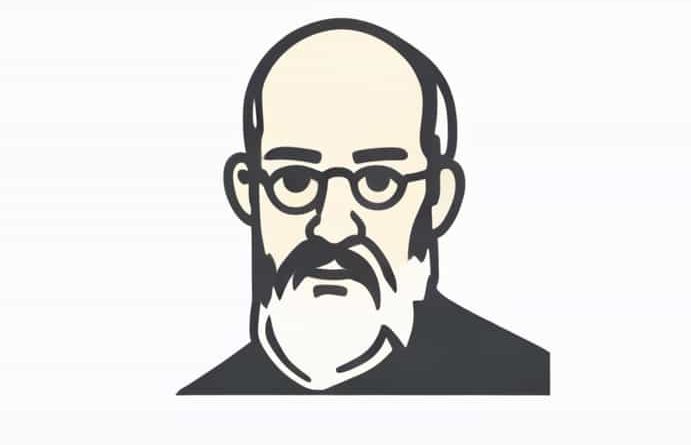
Who Is Irvin Yalom
Irvin D. Yalom is a renowned American psychiatrist, psychotherapist, and author whose work has profoundly influenced modern psychology, particularly in the fields of existential psychotherapy and group therapy. With decades of clinical experience and a unique ability to blend rigorous psychological theory with humanistic storytelling, Yalom has made complex ideas accessible to both professionals and the general public. His books and teachings have touched countless lives, offering insights into the human condition, confronting mortality, and exploring the deep connections between therapist and patient. Over the years, Yalom has not only shaped psychotherapy practices but has also contributed significantly to the understanding of existential anxiety, meaning-making, and the therapeutic process.
Early Life and Education
Irvin Yalom was born on June 13, 1931, in Washington, D.C., and grew up in a Jewish family that valued education and intellectual exploration. From a young age, he exhibited a curiosity about human behavior and the workings of the mind, which would later define his career. Yalom pursued his medical degree at George Washington University, graduating with a strong interest in psychiatry. Following medical school, he completed his psychiatric residency at the Phipps Psychiatric Clinic at Johns Hopkins University, where he gained extensive clinical experience and exposure to emerging psychological theories of the mid-20th century. During this period, he developed a deep interest in existential philosophy and the works of thinkers like Søren Kierkegaard, Friedrich Nietzsche, and Jean-Paul Sartre, which would later become central to his therapeutic approach.
Contributions to Psychotherapy
Existential Psychotherapy
One of Yalom’s most significant contributions is in the area of existential psychotherapy. Unlike traditional therapies that focus mainly on symptom reduction, existential psychotherapy addresses fundamental human concerns such as death, freedom, isolation, and meaning. Yalom believed that confronting these existential issues can lead to profound personal growth. His book,Existential Psychotherapy, published in 1980, is considered a landmark in the field. In this work, he outlines practical approaches for therapists to help patients navigate anxiety about mortality, find purpose in life, and embrace authentic living.
Group Therapy
Yalom is also widely known for his pioneering work in group psychotherapy. He identified and elaborated on the therapeutic factors that make group therapy effective, such as universality, altruism, and interpersonal learning. His book,The Theory and Practice of Group Psychotherapy, is a seminal text that continues to be used in training programs worldwide. Yalom’s approach emphasizes that the group setting provides a unique space for individuals to confront personal challenges, receive feedback, and develop deeper interpersonal skills. By carefully analyzing group dynamics, he highlighted how relationships within the group can mirror relationships in the outside world, facilitating self-awareness and behavioral change.
Literary Contributions
Fiction and Non-Fiction
In addition to his scholarly work, Irvin Yalom is a prolific author of both fiction and non-fiction. His writing often blends psychological insight with compelling storytelling, making complex therapeutic concepts relatable and engaging. Notable non-fiction works includeLove’s ExecutionerandStaring at the Sun, in which he shares case studies and reflections on the human experience. Through these books, Yalom explores themes such as love, death, meaning, and existential anxiety, offering readers practical wisdom alongside philosophical inquiry.
Fictional Narratives
Yalom’s novels, such asWhen Nietzsche WeptandThe Schopenhauer Cure, creatively intertwine historical figures and philosophical ideas with fictional psychotherapy sessions. These works not only entertain but also provide profound insights into the therapeutic process, illustrating the interplay between existential philosophy and psychotherapy in a narrative form. His fiction encourages readers to contemplate personal growth, self-awareness, and the human quest for meaning.
Philosophy and Approach
At the heart of Yalom’s philosophy is the belief that psychotherapy should address the most fundamental human concerns. He emphasizes the importance of presence, empathy, and authentic engagement between therapist and patient. Yalom encourages therapists to confront their own existential anxieties, recognizing that self-awareness enhances the therapeutic relationship. By exploring themes such as mortality, freedom, isolation, and meaning, he helps both patients and therapists understand the universal aspects of human experience.
Key Therapeutic Concepts
- Existential AnxietyAcknowledging and confronting fears about death, freedom, and isolation as a path to personal growth.
- Therapeutic PresenceThe importance of being fully present with patients to foster trust and deeper understanding.
- Interpersonal LearningGaining insight about oneself through interactions with others, particularly in group therapy.
- AuthenticityEncouraging patients to live genuinely and make conscious choices aligned with their values.
- Meaning-MakingHelping individuals discover purpose and significance in life despite suffering or uncertainty.
Impact and Legacy
Irvin Yalom’s influence extends far beyond the confines of psychotherapy clinics. His teachings, books, and public lectures have inspired generations of therapists and readers to think critically about the nature of existence, mental health, and human connection. Many consider his work as bridging the gap between academic psychology and practical, human-centered therapy. Yalom’s emphasis on confronting death and finding meaning in life has resonated across cultures, making his insights universally relevant. Furthermore, his exploration of group dynamics has transformed the way group therapy is practiced globally, emphasizing empathy, shared experiences, and mutual growth.
Recognition and Honors
Over his extensive career, Yalom has received numerous awards and recognitions for his contributions to psychology, psychiatry, and literature. His work continues to be cited in academic journals, therapy training programs, and self-help literature. Beyond formal recognition, his lasting impact is evident in the lives of countless patients, readers, and professionals who have found guidance, comfort, and understanding through his teachings.
Irvin Yalom is more than a psychiatrist or author; he is a guide into the depths of human existence. His integration of existential philosophy with psychotherapy has provided both practical and profound tools for navigating life’s most challenging questions. Through his books, teachings, and clinical work, Yalom has left an indelible mark on the fields of psychology and mental health, demonstrating that therapy is not merely about symptom relief but about understanding life, connecting with others, and embracing the profound journey of existence. His legacy continues to inspire both professionals and the public to live with awareness, compassion, and courage in the face of life’s inevitable challenges.