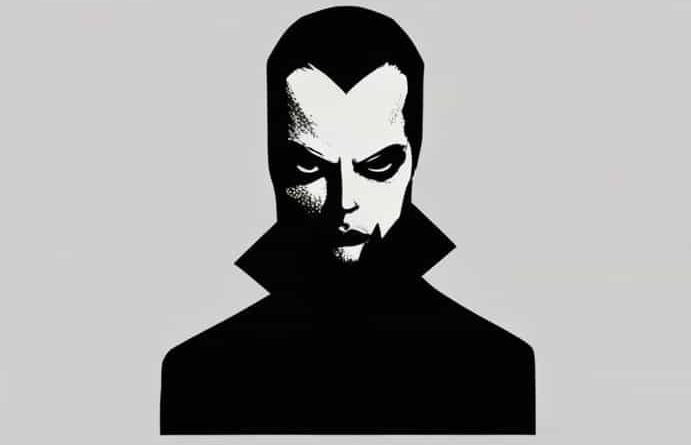
V For Vendetta Stephen
V for Vendetta is a groundbreaking graphic novel and film that explores themes of freedom, oppression, and identity, and Stephen, often referred to in discussions around the work, is an important figure in understanding its creation and impact. Stephen’s role, whether as an author, critic, or contributor, has influenced how audiences perceive the political and philosophical undertones of the story. The narrative’s focus on a masked vigilante, known as V, who challenges a totalitarian regime, resonates with readers and viewers worldwide. Examining Stephen’s connection to V for Vendetta provides insights into the broader context of the work and the ways in which it addresses societal issues and human resilience.
Overview of V for Vendetta
V for Vendetta was originally a graphic novel written by Alan Moore and illustrated by David Lloyd. Set in a dystopian future England under a totalitarian regime, it follows the mysterious masked figure known as V, who seeks to overthrow the oppressive government. The story delves into themes of personal freedom, the consequences of authoritarianism, and the moral complexities of vengeance. Its adaptations into film and other media have expanded its reach, making it a cultural touchstone for discussions about resistance and civil liberties.
Stephen’s Role and Contributions
Stephen’s connection to V for Vendetta often arises in scholarly analysis, commentary, or historical context. He has been involved in research and discussions that examine the philosophical and political dimensions of the narrative. By analyzing characters, plot development, and symbolism, Stephen highlights how the story transcends entertainment and functions as a critique of authoritarian power structures. His work helps audiences appreciate the depth of Moore’s writing and the social relevance of the narrative.
Character Analysis V
The protagonist, V, is central to the story and embodies the themes of rebellion and justice. Wearing a Guy Fawkes mask, V operates outside the law, challenging the oppressive government with carefully orchestrated acts of sabotage and symbolic resistance. Stephen’s commentary often focuses on the psychological complexity of V, exploring his motivations, ethical decisions, and the tension between vengeance and moral responsibility. Understanding V’s character is crucial for interpreting the larger messages about power, freedom, and individual agency in the narrative.
Philosophical Themes
V for Vendetta incorporates numerous philosophical and political ideas, which Stephen frequently emphasizes in his analyses. Some of the key themes include
- Freedom vs. OppressionThe story examines the struggle for personal and societal freedom under an authoritarian government.
- Justice and RevengeV’s actions raise questions about the morality of revenge and the ethics of violent resistance.
- Identity and AnonymityThe use of the mask allows V to become a symbol rather than an individual, exploring ideas of collective power and representation.
- Resistance and RebellionThe narrative encourages critical thought about societal structures and the responsibilities of citizens in confronting injustice.
Stephen’s Insights on the Narrative Structure
Stephen’s work often highlights how the narrative structure of V for Vendetta enhances its thematic impact. By analyzing the use of flashbacks, parallel storylines, and character development, Stephen explains how Moore crafts a compelling and morally complex tale. The juxtaposition of V’s mysterious actions with the personal journey of Evey Hammond, another central character, allows readers and viewers to explore different perspectives on power, morality, and resistance. Stephen emphasizes that the layered storytelling contributes to the enduring relevance of the work.
Symbolism and Cultural Impact
Stephen also focuses on the rich symbolism within V for Vendetta. The Guy Fawkes mask, representing rebellion against tyranny, has become an iconic symbol in global protests and social movements. Stephen’s analysis often explores how symbols in literature and media can transcend their original context to inspire real-world activism. Additionally, the narrative’s exploration of propaganda, fear, and societal control resonates with contemporary discussions about governance, media influence, and civil liberties.
Film Adaptation and Public Reception
The 2005 film adaptation of V for Vendetta, directed by James McTeigue, brought the story to a wider audience. The movie retains much of the original graphic novel’s political commentary while emphasizing cinematic elements to appeal to mainstream viewers. Stephen’s commentary often examines the differences between the book and the film, noting how visual storytelling and performance choices affect the interpretation of characters and themes. The film’s reception highlighted the continuing relevance of the story in addressing issues of freedom, resistance, and social justice.
Character Portrayal in Film
In the film, V is portrayed by Hugo Weaving, whose performance emphasizes both the menace and the charisma of the character. Evey Hammond, portrayed by Natalie Portman, undergoes significant character development, reflecting themes of empowerment and moral awakening. Stephen’s analysis often explores how the performances, direction, and screenplay choices shape audience perception and understanding of the story’s political and ethical questions.
Legacy of V for Vendetta
V for Vendetta continues to be a seminal work in graphic novels, film, and political discourse. Stephen’s discussions highlight how the narrative has influenced literature, pop culture, and even real-world activism. The story’s emphasis on questioning authority, challenging injustice, and valuing personal freedom resonates across generations. Educational institutions, media commentators, and social activists often reference the work when discussing themes of democracy, resistance, and civic responsibility.
Global Influence
- The Guy Fawkes mask has been adopted in protests worldwide, symbolizing resistance to oppression.
- The story is studied in academic courses on literature, politics, and media studies.
- Influences on other graphic novels and films that explore dystopian themes and moral complexity.
- Encourages debates about ethics, vigilantism, and the role of individuals in shaping society.
Examining V for Vendetta and Stephen’s contributions to understanding its themes offers a comprehensive perspective on the story’s cultural, political, and philosophical significance. From the complex character of V to the narrative’s exploration of freedom, identity, and justice, the work challenges audiences to think critically about power and morality. Stephen’s insights provide clarity and context, helping readers and viewers appreciate the depth and enduring relevance of V for Vendetta. As both a literary and cinematic work, it remains a powerful reminder of the importance of questioning authority, defending personal freedom, and standing against oppression.