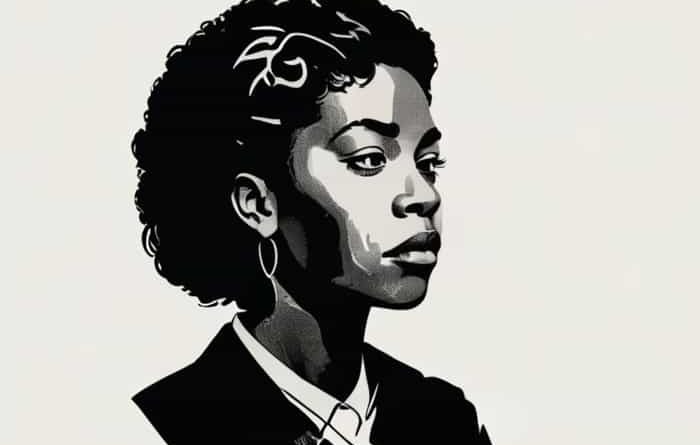
Zora Neale Hurston Significance
Zora Neale Hurston is widely regarded as one of the most influential figures in American literature and anthropology, whose work continues to resonate with readers and scholars alike. Born in 1891 in Notasulga, Alabama, and raised in Eatonville, Florida, Hurston grew up in one of the first all-Black towns incorporated in the United States. Her upbringing in Eatonville profoundly influenced her literary voice and perspective, providing her with a unique lens through which to explore African American life, culture, and folklore. Hurston’s contributions extend beyond her novels; her anthropological work, essays, and preservation of African American oral traditions have solidified her significance as both a writer and cultural historian.
Early Life and Education
Hurston’s formative years in Eatonville exposed her to the rich traditions of African American community life. Surrounded by the vibrant culture of her hometown, she developed an early appreciation for storytelling, music, and folklore. Hurston attended Howard University, where she began to cultivate her literary talents and connected with fellow Black intellectuals. She later earned a scholarship to Barnard College, where she studied anthropology under the renowned Franz Boas. Boas encouraged Hurston to combine her literary skills with anthropological research, laying the groundwork for her dual career as both writer and anthropologist.
Literary Achievements
Hurston’s literary significance is perhaps best exemplified by her novels, which explore themes of racial identity, gender, folklore, and the complexities of African American life in the early 20th century. Her most celebrated work,Their Eyes Were Watching God(1937), chronicles the journey of Janie Crawford as she navigates love, independence, and self-discovery. The novel is widely praised for its lyrical prose, rich characterization, and authentic representation of Black vernacular speech.
Other Notable Works
- Mules and Men(1935) – A groundbreaking collection of African American folklore, documenting stories, songs, and cultural practices collected from the Southern United States.
- Jonah’s Gourd Vine(1934) – Hurston’s debut novel, exploring themes of love, religion, and morality in a Southern Black community.
- Dust Tracks on a Road(1942) – An autobiography detailing Hurston’s personal experiences, literary journey, and insights into race, culture, and identity.
Anthropological Contributions
Beyond her literary achievements, Hurston’s work as an anthropologist was groundbreaking. She conducted extensive fieldwork in the American South, Caribbean, and Central America, documenting African American folklore, religious practices, and cultural traditions. Hurston’s anthropological research provided an invaluable record of oral histories and community practices that might otherwise have been lost. Her commitment to preserving Black cultural heritage established her as a pioneer in both anthropology and cultural studies.
Methodology and Approach
Hurston’s methodology combined immersive fieldwork with a narrative style that celebrated the voices of the communities she studied. She often participated in local traditions, dances, and rituals to gain a deeper understanding of the cultural context. This approach allowed her to capture the nuances of African American life with authenticity and respect, distinguishing her work from other contemporaneous scholars who often studied Black communities from a detached perspective.
Impact on African American Literature and Culture
Hurston’s influence on African American literature and culture cannot be overstated. She was a central figure in the Harlem Renaissance, a movement that celebrated Black artistic expression and intellectual achievement. Her work challenged prevailing stereotypes of African American life by portraying characters with depth, agency, and individuality. Hurston’s emphasis on oral tradition, folklore, and vernacular speech also enriched the literary canon, inspiring future generations of writers to explore similar themes and cultural narratives.
Influence on Later Writers
Hurston’s work has inspired numerous contemporary authors, including Toni Morrison, Alice Walker, and Gayl Jones. Her exploration of Black female identity, community dynamics, and cultural heritage paved the way for more nuanced portrayals of African American experiences in literature. Alice Walker, in particular, played a key role in reviving interest in Hurston’s work during the 1970s, highlighting the enduring relevance of her contributions.
Social and Cultural Significance
Hurston’s significance extends beyond literature and anthropology. She was a trailblazer in asserting the importance of African American culture at a time when it was often marginalized or misrepresented. Her celebration of Black life, language, and traditions provided a source of pride and validation for African American communities. By documenting and preserving cultural practices, Hurston helped ensure that the richness of African American heritage would be recognized and remembered.
Advocacy for Black Women
Hurston also played a vital role in advocating for Black women’s experiences through her writing. Her portrayal of complex female protagonists who navigate societal expectations, love, and self-actualization offered a new perspective on Black womanhood. Works likeTheir Eyes Were Watching Godprovided a platform for exploring gender dynamics, personal empowerment, and resilience in the face of systemic oppression.
Legacy and Continued Relevance
Zora Neale Hurston’s legacy endures in both academic and popular contexts. Her work is studied in literature, anthropology, African American studies, and women’s studies programs worldwide. Hurston’s contributions continue to resonate because of their focus on cultural authenticity, narrative innovation, and the celebration of African American life. Her writings encourage readers to examine the intersections of race, gender, and culture while appreciating the depth and diversity of human experience.
Recognition and Revival
Although Hurston faced periods of obscurity following her death in 1960, her work has been rediscovered and celebrated in subsequent decades. The efforts of scholars and writers, notably Alice Walker, brought Hurston’s novels and anthropological studies back into public consciousness. Today, Hurston is recognized as a foundational figure whose work continues to shape contemporary discussions of literature, identity, and culture.
Zora Neale Hurston’s significance lies in her ability to capture the richness of African American life through literature and anthropology. Her dedication to preserving cultural traditions, her innovative narrative style, and her celebration of Black identity have left an indelible mark on American culture. Hurston’s work continues to inspire readers, writers, and scholars, demonstrating the enduring importance of documenting, celebrating, and understanding the complexities of human experience. As both a literary and cultural pioneer, Zora Neale Hurston remains a central figure whose contributions are as relevant today as they were during her lifetime.