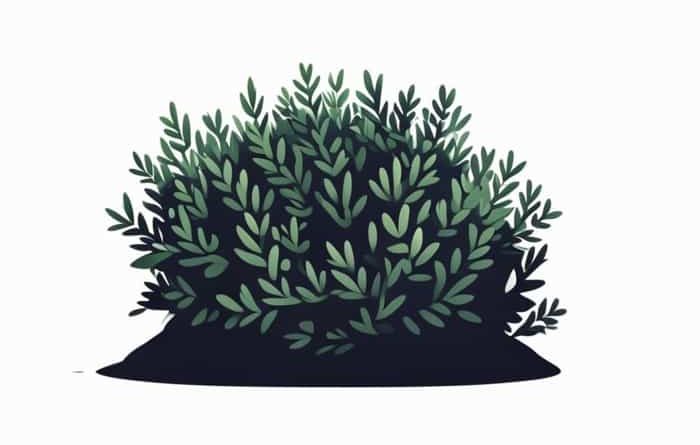
We Want A Shrubbery
The phrase We want a shrubbery has captured the imagination of pop culture enthusiasts, garden lovers, and fans of classic comedy alike. While it may seem whimsical at first, the demand for a shrubbery carries deeper connections to humor, symbolism, and the growing interest in gardening and landscaping. Originating from a well-known scene in a popular comedic film, this phrase has become a reference point in discussions about absurd requests, medieval-style quests, and playful engagement with nature. Beyond its comedic origins, it reflects a broader fascination with greenery, the aesthetics of outdoor spaces, and how even small plants can make a significant impact on both environments and social interactions.
The Origin of We Want a Shrubbery
The phrase gained prominence from its use in the iconic comedy film where a group of eccentric characters demanded a shrubbery as part of an absurd quest. The humor lies in the simplicity and triviality of the request contrasted with the seriousness of the situation, making it memorable and widely quoted. Over time, the phrase has transcended its cinematic context and is now often used in conversations, internet memes, and even casual gardening discussions. Understanding the origin helps in appreciating the cultural significance and why it continues to resonate with audiences decades later.
Why the Phrase Became Popular
- It encapsulates absurd humor in a simple, memorable line.
- It merges medieval or fantastical themes with modern comedic timing.
- The imagery of a shrubbery in a formal quest or demand is inherently amusing.
- It has inspired countless parodies, references, and fan creations online.
Symbolism Behind the Shrubbery
Beyond its comedic appeal, the shrubbery itself carries symbolic weight. In literature and film, plants often represent growth, stability, and natural beauty. The shrubbery’s small yet noticeable presence in a scene can symbolize the desire for harmony, aesthetic improvement, or even a touch of whimsy in everyday life. It serves as a reminder that sometimes the simplest requests, like adding greenery to a space, can carry profound significance, whether in humor, social interaction, or environmental consciousness.
Gardening and Cultural Impact
The popularity of the phrase has indirectly influenced interest in gardening. Many people, inspired by the humor and charm of the shrubbery request, explore planting bushes and shrubs in their own homes or communities. Gardening enthusiasts often share experiences online, linking the phrase to discussions about plant care, landscaping, and design aesthetics. The shrubbery has become a lighthearted entry point into broader conversations about environmental stewardship and outdoor creativity.
Types of Shrubberies
For those inspired to take the phrase literally, there is a wide variety of shrubs suitable for different climates, spaces, and purposes. Understanding the types of shrubs available can help in selecting the ideal plant for gardens, patios, or public spaces.
Evergreen Shrubs
- Boxwood Perfect for formal hedges or decorative borders.
- Holly Adds color and texture, often with red berries in winter.
- Juniper Offers year-round greenery and resilience in various climates.
Flowering Shrubs
- Azalea Known for vibrant blooms in spring and adaptability to shaded areas.
- Hydrangea Provides large, colorful clusters of flowers during summer.
- Rhododendron Adds dramatic color and structure to garden landscapes.
Ornamental Shrubs
- Japanese Maple Offers delicate leaves and striking seasonal color changes.
- Spirea Low-maintenance shrub with beautiful spring blooms.
- Lavender Combines aesthetic appeal with fragrance and pest resistance.
How to Incorporate a Shrubbery in Your Space
Adding a shrubbery to a garden or yard can enhance both aesthetics and environmental health. Proper planning, planting, and maintenance are key to ensuring that the shrub thrives and complements surrounding elements. Even small shrubs can transform a space, providing visual interest, privacy, and a natural habitat for wildlife.
Planting Tips
- Choose shrubs suitable for your climate and soil type.
- Ensure adequate spacing to allow growth and prevent overcrowding.
- Prepare the soil with compost or organic matter to support healthy roots.
- Water regularly, especially during the first growing season.
- Prune as needed to maintain shape and encourage blooming.
Creative Uses of Shrubberies
- Hedges for defining garden borders or property lines.
- Accent pieces near entrances or pathways.
- Containers for patios or balcony gardens.
- Mixed arrangements with flowers and perennials for visual diversity.
- Wildlife-friendly gardens to attract birds, butterflies, and pollinators.
The Phrase in Modern Culture
Today, We want a shrubbery is more than just a line from a film. It has become a symbol of playful absurdity, creativity, and the appreciation of greenery. In online communities, forums, and social media, the phrase is used to invoke humor or make light of seemingly trivial demands. Additionally, it serves as a subtle encouragement for people to engage with nature, incorporate plants into their living spaces, and celebrate small, whimsical pleasures.
Memes and References
- Humorous internet posts where people request shrubberies in real-life situations.
- Parodies in art, comics, and animations that play on the absurdity of the demand.
- Gaming communities using the phrase as part of quest-related jokes or challenges.
- Educational content linking the phrase to gardening tips and environmental awareness.
Lessons and Takeaways
While the humor of We want a shrubbery is clear, the phrase also highlights the power of small, intentional actions. Just as a simple shrub can enhance a garden, small gestures, creativity, and whimsy can positively impact social interactions, community spaces, and personal well-being. It reminds us that combining humor with practical actions, like planting greenery, can enrich both our physical and cultural environments.
Key Insights
- Humor can inspire creativity and engagement in everyday life.
- Small additions, like shrubberies, can have a meaningful impact on spaces and moods.
- Cultural references can bridge entertainment with practical activities, such as gardening.
- Engaging with nature promotes well-being and environmental consciousness.
We want a shrubbery may have begun as a humorous demand in a comedic context, but its influence extends far beyond its original scene. It embodies the intersection of culture, humor, and a love for nature, inspiring both laughter and action. From decorative landscaping and gardening tips to memes and social media references, the shrubbery has become a symbol of whimsy and creativity. By understanding its origin, symbolism, and practical applications, individuals can appreciate the phrase not just as a joke, but as a celebration of small joys, greenery, and the imaginative ways in which humor can shape everyday life.