Where Is The Ghent Altarpiece
The Ghent Altarpiece is one of the most famous and significant masterpieces of early Northern Renaissance art, celebrated for its intricate detail, vibrant colors, and religious symbolism. Many art enthusiasts and historians often ask where the Ghent Altarpiece is, as its location is closely tied to both its historical context and ongoing cultural importance. This monumental polyptych was created by the brothers Hubert and Jan van Eyck in the early 15th century and remains a key attraction for art lovers from around the world. Its current location, preservation, and accessibility are essential to understanding why it continues to inspire admiration, scholarly study, and cultural tourism nearly six centuries after its creation.
Current Location
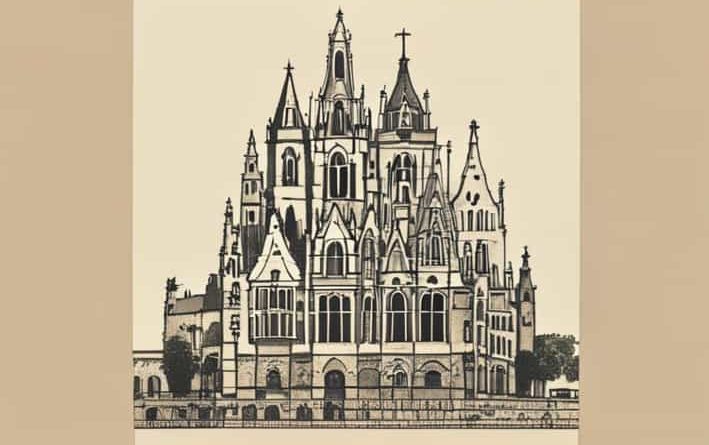
The Ghent Altarpiece is housed in the Saint Bavo Cathedral (Sint-Baafskathedraal) in Ghent, Belgium. This Gothic cathedral is located in the historic center of Ghent, a city known for its rich medieval heritage and vibrant cultural life. The cathedral itself is an architectural marvel, and the placement of the altarpiece within its chapels allows visitors to appreciate both the artwork and the surrounding sacred space. The altarpiece is displayed in the cathedral’s main altar area, where it serves both religious and cultural functions, attracting thousands of visitors each year.
Access and Visitor Information
Visitors to the Saint Bavo Cathedral can view the Ghent Altarpiece as part of the cathedral’s permanent exhibition. The cathedral is open to the public, and guided tours provide historical context, explanations of the symbolism, and insights into the artistic techniques used by the van Eyck brothers. Special viewing areas and protective glass panels ensure that the artwork is preserved while remaining accessible for observation. Its location in Ghent makes it convenient for travelers exploring Belgium’s historical and cultural landmarks.
Historical Background
The Ghent Altarpiece was commissioned in 1432 by the wealthy merchant and politician Jodocus Vijd and his wife Lysbette Borluut for their private chapel in the Saint Bavo Cathedral. Hubert van Eyck, the elder brother, began the work, and Jan van Eyck completed it after Hubert’s death. The altarpiece is a polyptych with multiple panels, each depicting biblical scenes, saints, angels, and symbolic imagery. Its creation marked a turning point in European art, as it combined meticulous realism, innovative use of oil paints, and complex iconography in a manner that influenced generations of artists.
Artistic Significance
The Ghent Altarpiece is renowned for its technical mastery and detailed representation of human figures, landscapes, and religious motifs. Jan van Eyck’s pioneering use of oil paints allowed for exceptional depth, vibrant color, and fine detail, setting a new standard for Northern Renaissance painting. The panels depict a range of scenes, including the Adoration of the Mystic Lamb, the Annunciation, and various saints and prophets. Its religious and artistic significance contributes to the artwork’s fame and the importance of preserving it at its historical location in Ghent.
Restoration and Preservation
Over the centuries, the Ghent Altarpiece has undergone multiple restorations to address damage from time, environmental conditions, and human interference. Its current location in Saint Bavo Cathedral provides a controlled environment that protects the fragile wooden panels and oil paint. Modern climate control, protective glass, and expert conservation techniques ensure that the altarpiece remains intact for future generations. Art historians and conservationists continue to study the piece, contributing to our understanding of early Renaissance techniques and the history of European art.
Challenges and Protection
Throughout its history, the Ghent Altarpiece has faced threats from theft, war, and neglect. Several panels were stolen or lost during conflicts, including World War II, but have since been recovered and restored. Its permanent placement in Saint Bavo Cathedral allows for ongoing monitoring, security, and preservation measures, making Ghent not only a city of historical significance but also a center for art conservation. The dedication to protecting this masterpiece ensures that it remains a cultural treasure accessible to scholars, tourists, and art enthusiasts worldwide.
Cultural and Religious Importance
The Ghent Altarpiece continues to serve both religious and cultural roles. As a devotional piece, it enhances the spiritual experience of visitors to the cathedral, while as a historical artifact, it educates audiences about the evolution of European art and religious iconography. Its location in Ghent allows the city to showcase its rich artistic heritage and draws attention to Belgium’s role in the development of early Renaissance art. The altarpiece also hosts occasional liturgical celebrations and special exhibitions, further highlighting its dual importance.
Tourism and Global Recognition
- The Ghent Altarpiece attracts thousands of visitors annually to Saint Bavo Cathedral.
- It has been featured in art history textbooks, documentaries, and exhibitions worldwide.
- Guided tours and educational programs in Ghent emphasize the altarpiece’s historical and artistic significance.
- The artwork contributes to Ghent’s identity as a cultural and artistic destination in Europe.
The Ghent Altarpiece is located in the Saint Bavo Cathedral in Ghent, Belgium, a city renowned for its historical architecture and cultural heritage. Its position in this Gothic cathedral provides both a sacred space for worship and a preserved environment for art appreciation. Created by Hubert and Jan van Eyck in the early 15th century, the altarpiece is celebrated for its technical mastery, intricate detail, and religious symbolism. The careful preservation and accessibility of the Ghent Altarpiece ensure that visitors, scholars, and art enthusiasts can continue to study and admire this monumental work. Understanding where the Ghent Altarpiece is located adds context to its historical, artistic, and cultural significance, making it one of the most important and recognizable masterpieces of the Northern Renaissance.