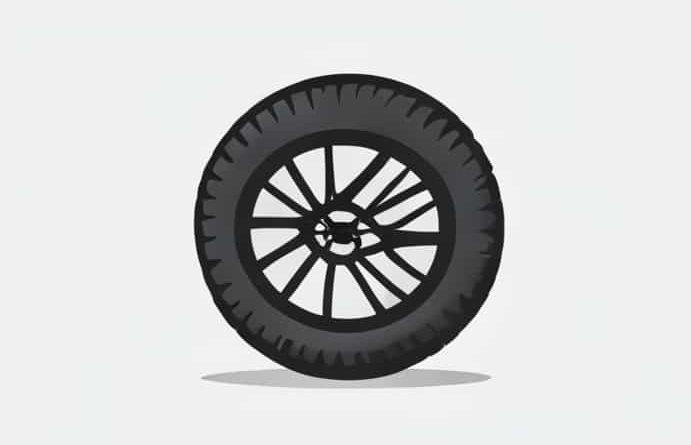
What Is Tubeless Tyre
A tubeless tyre is a modern innovation in vehicle technology that has revolutionized the way tires function and maintain performance. Unlike traditional tyres that require an inner tube to hold air, a tubeless tyre has no separate inner tube. Instead, the tyre itself forms an airtight seal with the rim of the wheel. This design improves safety, reduces the risk of sudden air loss, and enhances overall driving comfort. Tubeless tyres are now widely used in cars, motorcycles, bicycles, and even trucks due to their numerous advantages in terms of efficiency, maintenance, and performance. Understanding tubeless tyres provides insight into how automotive technology continues to evolve to meet safety and efficiency standards.
Definition and Working Principle of Tubeless Tyres
A tubeless tyre is a type of pneumatic tyre that operates without an inner tube. In conventional tyres, the inner tube holds the air pressure while the outer tyre provides grip and protection. In contrast, tubeless tyres have a specially designed airtight layer built into the tyre’s construction. This layer, along with a tight-fitting rim, ensures that air remains contained within the tyre itself. The bead of the tyre-the edge that contacts the wheel rim-is engineered to create a firm seal, preventing air leakage. As a result, tubeless tyres can maintain consistent air pressure, even in the event of minor punctures.
Components of a Tubeless Tyre
The structure of a tubeless tyre is slightly more complex than that of a traditional tyre. Key components include
- BeadThe reinforced edge of the tyre that sits tightly against the wheel rim to create an airtight seal.
- Inner LinerA layer of rubber inside the tyre that prevents air from escaping, effectively replacing the inner tube.
- TreadThe outer surface of the tyre that makes contact with the road and provides traction, durability, and resistance to wear.
- SidewallThe part of the tyre between the tread and the bead, providing flexibility and strength.
- CarcassThe fabric or steel layer embedded in the tyre that gives it structural integrity and supports the vehicle’s weight.
Advantages of Tubeless Tyres
Tubeless tyres offer several advantages over traditional tyres, making them popular for modern vehicles. Some of the key benefits include
- Reduced Risk of Sudden DeflationMinor punctures often cause slow air leakage rather than immediate flat tyres, enhancing safety.
- Improved Fuel EfficiencyTubeless tyres generally weigh less than tube-type tyres, which can lead to better fuel economy.
- Better Heat DissipationWithout an inner tube, heat generated during driving is better dissipated, reducing the risk of tyre blowouts.
- Enhanced Ride ComfortTubeless tyres can absorb shocks more effectively, providing a smoother and more comfortable ride.
- Easy RepairsPunctures in tubeless tyres can often be repaired without removing the tyre from the wheel using plug kits or sealants.
Applications in Vehicles
Tubeless tyres are widely used in various types of vehicles, including
- CarsMost modern passenger cars now come equipped with tubeless tyres for safety, efficiency, and convenience.
- MotorcyclesMotorcycles benefit from tubeless tyres due to their ability to maintain air pressure even after minor punctures, reducing accidents.
- BicyclesHigh-performance bicycles use tubeless tyres to enhance grip, reduce weight, and improve ride quality.
- Trucks and BusesHeavy-duty vehicles utilize tubeless tyres to handle high loads, resist blowouts, and facilitate easier maintenance.
Maintenance of Tubeless Tyres
Although tubeless tyres are more convenient than traditional tube tyres, they still require regular maintenance to ensure optimal performance and longevity. Key maintenance tips include
- Regularly checking air pressure to maintain recommended levels for safety and efficiency.
- Inspecting the tyre for cuts, punctures, or uneven wear that could compromise performance.
- Rotating tyres periodically to ensure uniform wear and extend the lifespan of the tyres.
- Using tyre sealants or professional repair kits for small punctures instead of immediately replacing the tyre.
- Ensuring the tyre bead remains properly seated on the rim, especially after long drives or heavy loads.
Common Misconceptions
Some drivers may assume that tubeless tyres are completely immune to punctures, but they can still be damaged by sharp objects or excessive wear. Another misconception is that tubeless tyres are expensive to maintain; while they may have higher upfront costs, they often save money in the long term due to easier repairs, fewer replacements, and improved fuel efficiency. Understanding these facts helps vehicle owners make informed decisions about tyre selection and care.
Comparing Tubeless Tyres with Tube Tyres
When comparing tubeless tyres with traditional tube tyres, several differences become apparent
- SafetyTubeless tyres are generally safer as they reduce the risk of sudden deflation, while tube tyres can blow out quickly when punctured.
- WeightTubeless tyres are lighter since they lack an inner tube, which can improve vehicle handling and fuel economy.
- RepairTube tyres often require complete removal for repair, whereas tubeless tyres can sometimes be repaired without removing the wheel.
- Heat ManagementTubeless tyres dissipate heat more efficiently, reducing the chances of tyre failure during long drives or high-speed conditions.
- PerformanceTubeless tyres generally offer better grip, stability, and comfort due to their modern construction and materials.
Future of Tubeless Tyres
The future of tubeless tyres is closely linked with advancements in automotive technology and electric vehicles. As vehicles become lighter and faster, tyre manufacturers are focusing on creating tubeless tyres that are more durable, eco-friendly, and compatible with advanced safety systems. Innovations such as run-flat tubeless tyres, airless tubeless tyres, and smart tyres with embedded sensors are emerging, enhancing both convenience and safety. These advancements will continue to position tubeless tyres as a preferred choice for modern vehicles worldwide.
Tubeless tyres represent a significant advancement in automotive technology, providing safety, efficiency, and convenience for a wide range of vehicles. By eliminating the need for inner tubes, they reduce the risk of sudden deflation, improve fuel economy, and enhance ride comfort. With proper maintenance, tubeless tyres offer long-term performance benefits and cost savings. As technology evolves, tubeless tyres will continue to play a vital role in improving vehicle safety and performance, making them an essential component of modern transportation systems.