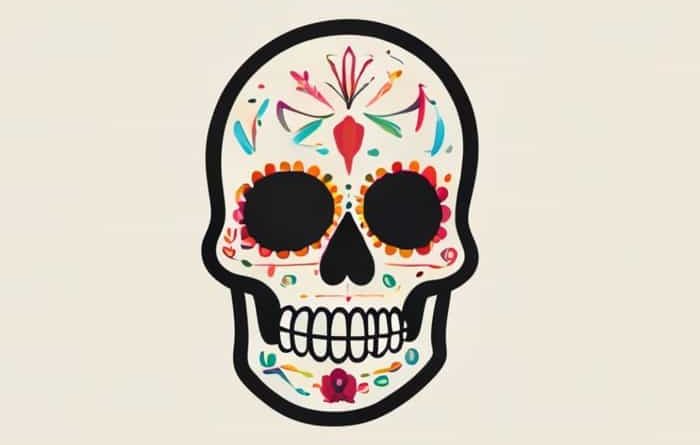
Dia De Los Muertos
Dia de los Muertos, or the Day of the Dead, is a vibrant and deeply meaningful cultural celebration that honors and remembers deceased loved ones. Originating in Mexico, this annual festival combines indigenous traditions with Spanish influences to create a unique observance that blends spirituality, art, and community. Far from being a somber occasion, Dia de los Muertos is marked by colorful altars, elaborate decorations, and festive gatherings that celebrate the lives of those who have passed. Families come together to pay tribute, share stories, and offer favorite foods and items of the departed, reinforcing the idea that death is a natural part of life and should be commemorated with love and respect.
Origins and Historical Significance
The roots of Dia de los Muertos trace back thousands of years to pre-Columbian Mesoamerican cultures, including the Aztecs, Maya, and Toltecs. These civilizations held a cyclical view of life and death, believing that the spirits of the deceased continued to interact with the living world. Rituals and ceremonies were conducted to honor ancestors, often involving offerings of food, flowers, and symbolic items. With the arrival of Spanish colonizers in the 16th century and the introduction of Catholic traditions, Dia de los Muertos merged with All Saints’ Day and All Souls’ Day, evolving into the modern holiday celebrated on November 1st and 2nd.
Symbolism and Themes
Dia de los Muertos is rich in symbolism, with each element carrying specific cultural meaning. The festival emphasizes the importance of memory, family, and the cyclical nature of existence. Key themes include
- RemembranceHonoring the lives of loved ones and keeping their memories alive through storytelling and rituals.
- Celebration of LifeRecognizing that death is a continuation rather than an end, and celebrating the joys and achievements of those who have passed.
- Spiritual ConnectionBelief that the spirits of the dead return during this time to visit their families, creating a bridge between the living and the deceased.
Altars and Offerings (Ofrendas)
Central to Dia de los Muertos are the altars, or ofrendas, created in homes and cemeteries to welcome the spirits. These altars are carefully arranged with multiple levels and adorned with meaningful items. Traditional elements include
- PhotographsPictures of the deceased, often accompanied by personal belongings or favorite items.
- Food and DrinkFavorite meals, beverages, and traditional treats such as pan de muerto (bread of the dead) and sugar skulls.
- FlowersMarigolds, or cempasúchil, are widely used for their vibrant color and fragrance, believed to guide spirits back to the living world.
- CandlesSymbolizing hope, remembrance, and the light guiding spirits home.
- Decorative ItemsPapel picado (cut paper banners), figurines, and other handcrafted decorations representing life, death, and cultural identity.
The construction of an altar is an act of love and devotion, allowing families to express their grief, joy, and respect simultaneously. These displays serve as both spiritual focal points and artistic expressions, reflecting the deep cultural heritage of Dia de los Muertos.
Traditional Foods and Culinary Practices
Food plays a central role in Dia de los Muertos, bridging the gap between the living and the dead. Specific foods carry symbolic significance, representing offerings to deceased loved ones as well as communal celebration. Some traditional dishes include
- Pan de MuertoA sweet bread often decorated with bone-shaped designs, symbolizing the circle of life and death.
- Sugar SkullsBrightly decorated confections representing departed souls and the sweetness of life.
- Favorite DishesFamilies often prepare the deceased’s favorite meals as an offering, creating a sense of continuity and connection.
- Chocolate and Hot BeveragesTraditional hot chocolate and atole are commonly included, reflecting regional culinary practices.
Sharing food during Dia de los Muertos fosters community and family bonding, emphasizing that the celebration is as much about living as it is about remembering.
Cultural Practices and Festivities
Dia de los Muertos is celebrated with a combination of home rituals and public festivities. Communities often host parades, music performances, and street fairs filled with color and lively activity. Participants paint faces with iconic skull designs, dress in traditional attire, and create intricate sand or sawdust carpets in cemeteries and public spaces. These vibrant expressions highlight the resilience, creativity, and joy inherent in Mexican culture.
Visiting Cemeteries
Visiting graves is a vital aspect of Dia de los Muertos. Families clean and decorate tombstones, light candles, and spend time sharing stories and memories with the deceased. This practice reinforces the bond between generations, offering comfort and reflection. Nighttime vigils with candles and music create an atmosphere of reverence, blending mourning with celebration.
Artistic and Symbolic Elements
- Calaveras (Skulls)Represent the cyclical nature of life and death, often decorated in playful or artistic ways.
- CatrinasElegant skeleton figures dressed in elaborate clothing, symbolizing the universality of death and the ability to confront mortality with humor and style.
- Papel PicadoDelicately cut paper banners representing wind and fragility, adding color and movement to altars and public displays.
Global Influence and Modern Celebrations
While Dia de los Muertos remains deeply rooted in Mexican tradition, its influence has spread internationally, inspiring festivals, art exhibitions, and cultural events worldwide. Cities in the United States, Central America, and Europe hold parades, workshops, and exhibitions that educate the public about the holiday’s significance. Media portrayals, such as films and documentaries, have also contributed to increased awareness and appreciation of this rich cultural practice.
Educational and Community Impact
Schools and cultural centers often use Dia de los Muertos as an opportunity to teach students about heritage, history, and the importance of remembrance. Community events encourage participation, creativity, and cultural exchange, fostering respect for Mexican traditions while highlighting universal themes of life, death, and family.
Dia de los Muertos is far more than a holiday; it is a profound expression of Mexican identity, spirituality, and artistic heritage. By honoring ancestors and celebrating life, families reaffirm their connections across generations, blending remembrance with joy and creativity. From elaborate altars and traditional foods to community festivities and symbolic art, the holiday embodies the cyclical nature of life and death, illustrating that love and memory transcend mortality. Its growing international recognition underscores the universal appeal of honoring the past while celebrating the present, making Dia de los Muertos a vibrant and enduring cultural treasure.