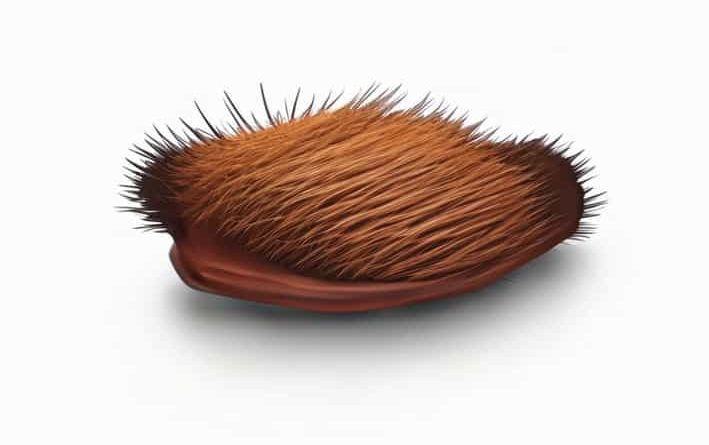
Using A Boar Bristle Brush
Using a boar bristle brush has become increasingly popular for individuals seeking healthier, shinier hair and a more effective scalp care routine. Unlike synthetic brushes, boar bristle brushes are made with natural bristles that mimic the effects of scalp massage, distributing natural oils from the scalp along the length of the hair. This not only helps condition hair naturally but also improves blood circulation in the scalp, promoting hair growth and reducing breakage. Whether you have straight, wavy, curly, or coily hair, incorporating a boar bristle brush into your daily hair care regimen can make a noticeable difference in hair texture, shine, and overall scalp health, while minimizing the need for excessive hair products.
Benefits of Using a Boar Bristle Brush
Boar bristle brushes offer a wide range of benefits that make them a valuable tool in hair care routines. They are designed to distribute sebum evenly, reduce static, and improve hair manageability. Regular use of a boar bristle brush can also prevent split ends and frizz, resulting in smoother and healthier-looking hair. Many professional stylists recommend these brushes for both styling and maintaining natural hair health.
Natural Oil Distribution
One of the key advantages of using a boar bristle brush is its ability to distribute natural oils produced by the scalp. These oils, known as sebum, naturally moisturize the hair, preventing dryness and promoting shine. Unlike synthetic brushes that can strip oils away, boar bristle brushes help maintain moisture balance, making hair softer and more manageable over time.
Scalp Stimulation and Blood Circulation
The bristles of the brush gently massage the scalp during brushing, which stimulates blood flow and encourages hair growth. Improved circulation also ensures that hair follicles receive more nutrients, promoting stronger and healthier hair. Additionally, scalp massage with a boar bristle brush can help reduce tension and stress, making it beneficial for overall scalp health.
Reducing Frizz and Breakage
Boar bristle brushes are less abrasive compared to synthetic brushes, which reduces friction and the risk of hair breakage. Regular brushing with this type of brush smooths the hair cuticle, reducing frizz and enhancing natural shine. Hair becomes easier to style and more resilient to daily damage from environmental factors.
How to Use a Boar Bristle Brush Correctly
Using a boar bristle brush properly is essential to maximize its benefits and avoid hair damage. The technique involves gentle, consistent strokes from root to tip, allowing the bristles to work naturally with the hair and scalp. Brushing should not be forceful or aggressive, as this can cause breakage, especially in fine or fragile hair.
Step-by-Step Guide
- Start by detangling hair with a wide-tooth comb to remove knots and prevent pulling.
- Hold the hair gently and brush from the scalp to the ends in smooth strokes.
- Focus on all areas of the scalp to evenly distribute natural oils.
- Use small, circular motions on the scalp for additional stimulation.
- Brush hair at least once daily, preferably in the morning, for optimal results.
Tips for Different Hair Types
Boar bristle brushes can be used on various hair types, but certain adjustments can enhance effectiveness
- Straight HairBrush in long strokes from root to tip to enhance shine and smoothness.
- Wavy HairUse gentle strokes to avoid disturbing natural waves and maintain definition.
- Curly HairBrush lightly and focus on the scalp; avoid excessive brushing to prevent frizz.
- Coily HairUse the brush for scalp massage rather than detangling, and pair with finger-combing or a wide-tooth comb for detangling.
Maintenance and Care for Your Boar Bristle Brush
Proper care of a boar bristle brush is essential to ensure longevity and hygiene. Hair, oils, and debris can accumulate over time, affecting performance and cleanliness. Regular cleaning and maintenance help preserve the brush’s effectiveness and prevent bacterial buildup on the bristles.
Cleaning Tips
- Remove hair from the bristles after each use using a comb or brush cleaner.
- Wash the brush gently with mild shampoo and lukewarm water every few weeks.
- Allow the brush to air dry with the bristles facing down to maintain shape and prevent water damage.
- Avoid soaking the brush for extended periods to prevent weakening the bristles or handle.
Storage Recommendations
Store your boar bristle brush in a dry, ventilated area to prevent mold and mildew. Avoid leaving it in damp environments such as bathrooms for prolonged periods. Keeping the brush in a clean, dry place ensures optimal performance and hygiene.
Common Mistakes to Avoid
To fully benefit from using a boar bristle brush, it is important to avoid common mistakes that can lead to hair damage or reduced effectiveness. Avoid brushing wet hair aggressively, as hair is more prone to breakage when wet. Additionally, excessive brushing or using the brush on tangled hair without detangling first can cause damage. Lastly, neglecting to clean and maintain the brush may lead to buildup of oils and debris, reducing its effectiveness.
Avoid Brushing Wet Hair
Wet hair is more elastic and susceptible to snapping. If you must brush wet hair, use gentle strokes and consider detangling first with a wide-tooth comb.
Do Not Overuse
Brushing too frequently can overstimulate the scalp and lead to unnecessary hair stress. Once or twice daily is sufficient for most hair types.
Using a boar bristle brush is an effective way to enhance hair health, improve shine, and maintain a balanced scalp. Its natural bristles distribute oils, reduce frizz, and stimulate blood flow, promoting stronger and healthier hair. By following proper brushing techniques, maintaining the brush, and avoiding common mistakes, individuals can achieve optimal results. Incorporating a boar bristle brush into a daily hair care routine is a simple yet powerful step toward achieving smooth, glossy, and well-nourished hair, regardless of hair type or texture.