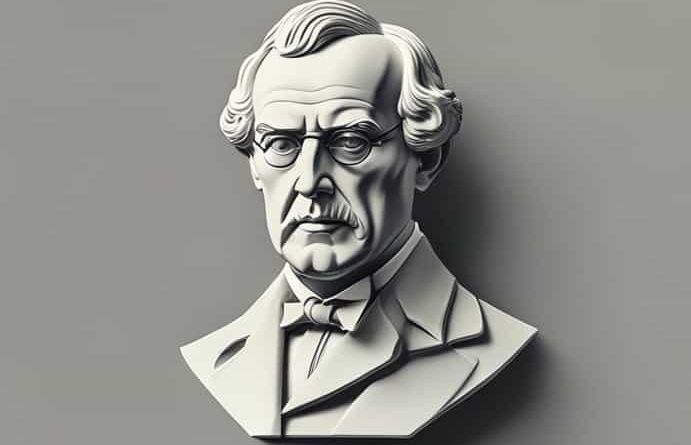
Statue Of Benjamin Disraeli
The statue of Benjamin Disraeli stands as a lasting tribute to one of Britain’s most influential political figures. Known for his towering role in shaping Victorian politics, Disraeli served twice as Prime Minister and left an indelible mark on the Conservative Party and the nation. The statue, like many public monuments, captures not only the likeness of the individual but also the ideals, accomplishments, and historical significance associated with him. Placed in a prominent public space, it provides visitors and citizens alike with a tangible connection to history, offering an opportunity to reflect on the life and legacy of a statesman who played a critical role in British governance and diplomacy during the 19th century.
Historical Context of Benjamin Disraeli
Benjamin Disraeli was a British politician, novelist, and orator, born in 1804. His career spanned decades of significant political and social change in Britain. Disraeli is remembered for his progressive policies, attention to the welfare of the working class, and strategic foreign policy maneuvers. He became the leader of the Conservative Party and served as Prime Minister in 1868 and again from 1874 to 1880. Throughout his career, Disraeli advocated for social reform, imperial expansion, and economic policies that strengthened Britain’s global standing. The statue commemorates his multifaceted contributions and enduring influence on British history.
Political Achievements
- Twice served as Prime Minister, shaping key domestic and foreign policies.
- Implemented social reforms, including public health initiatives and housing improvements.
- Expanded the British Empire through strategic diplomacy and colonial policies.
- Strengthened the Conservative Party’s political influence in Parliament.
Cultural and Literary Contributions
- Published several novels that reflected political and social themes of his era.
- Influenced Victorian literature with works blending politics and narrative storytelling.
- Used literature to shape public opinion and political discourse.
Design and Location of the Statue
The statue of Benjamin Disraeli is designed to capture both the physical likeness and the intellectual stature of the statesman. Sculptors often emphasize his distinctive features, formal attire, and poised demeanor, reflecting his role as a statesman and public figure. Typically cast in bronze or stone, the statue stands on a pedestal with inscriptions highlighting his name, titles, and notable achievements. The placement in a prominent public area ensures visibility, accessibility, and interaction, allowing the statue to serve as both a memorial and an educational tool for visitors.
Artistic Elements
- Detailed facial features capturing Disraeli’s likeness.
- Posture reflecting confidence, authority, and leadership.
- Pedestal inscriptions summarizing major accomplishments and historical context.
- Materials chosen for durability and aesthetic impact, commonly bronze or marble.
Notable Locations
- Parliament Square, London, where it stands among statues of other prominent British leaders.
- Prominent town squares and government buildings in cities with historical ties to Disraeli.
- Public parks and memorial areas that celebrate Victorian political figures.
Symbolism and Significance
The statue of Benjamin Disraeli symbolizes leadership, vision, and national pride. It serves as a reminder of the principles he championed, including social reform, political strategy, and dedication to public service. The raised pedestal and imposing stature convey respect and admiration, reinforcing the importance of historical memory. Visitors are encouraged to consider both the individual achievements of Disraeli and the broader political and social context of his era, fostering a deeper appreciation for the historical development of modern Britain.
Key Symbolic Elements
- Authority Upright posture and formal attire emphasize his role as a statesman.
- Legacy Inscribed achievements highlight lasting contributions to politics and society.
- Education The statue acts as a historical reference point for learning about Victorian Britain.
- National Pride Represents the strength and vision of British leadership during the 19th century.
Public Reception and Cultural Impact
The statue has been a focal point for public recognition, cultural events, and historical education. Tourists, students, and historians often visit to learn more about Disraeli’s life and times. Public ceremonies or political events sometimes use the statue as a backdrop to commemorate British heritage and leadership. Additionally, the statue has inspired artistic representations, including paintings, photographs, and literary references that explore Disraeli’s political philosophy and the era he influenced. It remains a culturally significant landmark, connecting contemporary audiences to historical narratives and civic identity.
Educational Value
- Provides a visual reference for learning about 19th-century British politics.
- Highlights the achievements and reforms initiated by Disraeli.
- Encourages engagement with history through public art and accessible monuments.
- Serves as a discussion point in schools, universities, and guided tours.
Cultural Influence
- Inspires artistic works that explore leadership and political strategy.
- Acts as a symbol of Victorian heritage and British governance.
- Promotes public interest in historical figures and their contributions to society.
Preservation and Conservation
Maintaining the statue of Benjamin Disraeli is essential to preserving its historical, cultural, and artistic value. Regular cleaning, structural inspections, and restoration work ensure that the statue withstands environmental wear and continues to represent the figure accurately. Conservation efforts also include protecting the surrounding area and providing educational signage that contextualizes the statue’s significance. These measures guarantee that future generations can continue to appreciate and learn from this enduring monument.
Conservation Measures
- Routine cleaning to prevent corrosion or deterioration of materials.
- Structural reinforcement and repair to maintain stability and appearance.
- Protective coatings or treatments to resist weathering and pollution.
- Informational plaques or digital resources to enhance public understanding.
The statue of Benjamin Disraeli stands as a testament to a remarkable political career, visionary leadership, and enduring legacy. Beyond being a mere physical representation, it serves as a symbol of national pride, historical reflection, and civic education. Its design, placement, and preservation highlight the significance of commemorating influential figures through public art. By observing the statue, visitors gain insight into Disraeli’s contributions to British politics, social reform, and international diplomacy, making it a valuable resource for understanding the historical and cultural fabric of 19th-century Britain. Through continued appreciation and maintenance, the statue remains a vital link between the past and present, inspiring awareness, respect, and learning for generations to come.