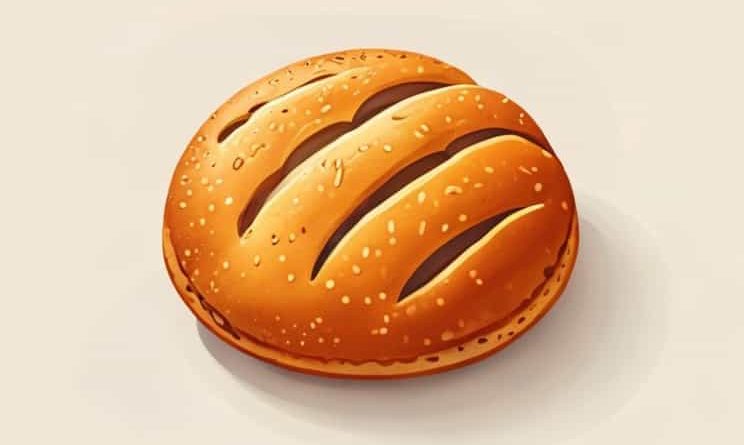
Que Es El Pan Pumpernickel
Pumpernickel bread is a unique type of dark, dense bread that has gained recognition for its distinct flavor, texture, and health benefits. Many people ask, que es el pan pumpernickel, when they encounter this bread in bakeries or grocery stores, curious about its origins and characteristics. Pumpernickel is traditionally made from coarsely ground whole rye grains and a long, slow baking process that gives it a deep brown color and slightly sweet, rich taste. Unlike other breads, it is dense, hearty, and highly nutritious, often enjoyed in sandwiches, with cheeses, or simply with butter. Its slow fermentation process contributes to its signature flavor and makes it a favorite among those who appreciate traditional, artisanal bread.
History and Origin of Pumpernickel
Pumpernickel bread has its roots in Germany, particularly in the Westphalia region, dating back several centuries. Historically, it was considered a staple food for peasants due to its high nutritional value and long shelf life. In Spanish, one could describe it as un pan tradicional alemán, conocido por su densidad, sabor fuerte y larga duración. Originally, pumpernickel was made with only rye flour and water, relying on natural fermentation to rise and develop flavor. Over time, variations appeared with the addition of ingredients like molasses or wheat flour, but the traditional methods are still highly valued by artisanal bakers today.
Traditional Ingredients
The core ingredients of classic pumpernickel bread are simple yet distinctive
- Whole rye flour Provides the characteristic dark color and robust flavor.
- Water Essential for hydrating the flour and facilitating fermentation.
- Sourdough starter Used as a natural leavening agent for slow fermentation.
- Salt Enhances flavor and controls yeast activity.
- Optional ingredients Molasses, cocoa, or coffee for added color and subtle sweetness.
Characteristics of Pumpernickel Bread
One of the most notable aspects of pumpernickel is its dense and compact texture. Unlike airy white bread, pumpernickel has a firm crumb and a slightly chewy consistency. Its color ranges from dark brown to almost black, depending on the baking method and ingredients. The long baking time, often 16 to 24 hours at a low temperature, allows for the Maillard reaction to develop a rich flavor and deep hue. In Spanish, these traits are described as textura densa y firme, con un sabor profundo y ligeramente dulce.
Flavor Profile
Pumpernickel has a complex flavor profile that combines mildly sweet, earthy, and slightly tangy notes. The sweetness often comes from natural sugars in the rye or added ingredients like molasses. Its subtle tanginess is a result of the sourdough fermentation process. This unique combination makes it versatile for pairing with savory and sweet toppings alike, from smoked salmon to honey or cheeses.
Nutritional Benefits
Pumpernickel is also appreciated for its nutritional value. It is high in fiber, which aids digestion and promotes satiety, making it an excellent choice for weight management. Rye bread, in general, has a lower glycemic index than wheat bread, which helps regulate blood sugar levels. Additionally, pumpernickel contains essential minerals such as magnesium, iron, and potassium, contributing to overall health. In Spanish, this is expressed as beneficios nutricionales, incluyendo alto contenido de fibra y minerales esenciales.
How Pumpernickel is Made
Traditional pumpernickel baking is an artisanal process that requires patience and attention to detail. The preparation begins with creating a sourdough starter from rye flour and water. This starter is allowed to ferment, developing natural yeast and lactic acid bacteria that give the bread its characteristic flavor. The dough is then mixed, shaped, and left to rest before being baked at a low temperature for many hours. This slow, long baking process is essential to achieving the dense texture and deep color that defines authentic pumpernickel. Modern variations may use quicker methods, but traditional techniques are highly prized by bread enthusiasts.
Steps in Making Traditional Pumpernickel
- Prepare sourdough starter with rye flour and water.
- Mix dough with additional rye flour, water, and salt.
- Allow dough to ferment slowly to develop flavor.
- Shape the dough into loaves or baking pans.
- Bake at low temperature for an extended period, often overnight.
- Cool the bread before slicing to ensure proper texture.
Uses of Pumpernickel Bread
Pumpernickel bread is versatile and can be used in various culinary contexts. Its dense texture and bold flavor make it ideal for hearty sandwiches, such as those with smoked meats, cheeses, or vegetables. It can also be served as an accompaniment to soups and stews, where its robust nature complements rich flavors. In Spanish, this is described as usos culinarios que incluyen sándwiches robustos, acompañamiento de sopas y guisos. Some people enjoy it toasted with butter, honey, or spreads, making it a satisfying breakfast or snack option.
Popular Pairings
- Smoked salmon with cream cheese
- Roast beef with mustard
- Cheese and fresh vegetables
- Honey or fruit preserves for a sweet touch
- Served alongside hearty soups or stews
Modern Variations
While traditional pumpernickel remains highly regarded, modern bakers have introduced variations to suit contemporary tastes. Some include whole wheat or white flour to lighten the texture, while others add seeds, nuts, or dried fruits for additional flavor and visual appeal. Despite these innovations, the essence of pumpernickel-its dense, dark, and flavorful profile-remains intact. In Spanish, these modern twists are expressed as variaciones modernas del pan pumpernickel que incluyen semillas, nueces y frutas secas.
In summary, understanding que es el pan pumpernickel involves appreciating a traditional German bread known for its density, rich flavor, and health benefits. Made primarily from whole rye flour and slow-baked over many hours, pumpernickel is dense, slightly sweet, and earthy. It provides significant nutritional value, including fiber and essential minerals, while offering versatile culinary uses from sandwiches to accompaniments for soups. Whether enjoyed in its traditional form or through modern variations, pumpernickel remains a staple for those who value artisanal bread, robust flavors, and healthy eating habits. Its unique characteristics and long history make it a bread that stands out in the world of baking and continues to delight enthusiasts worldwide.