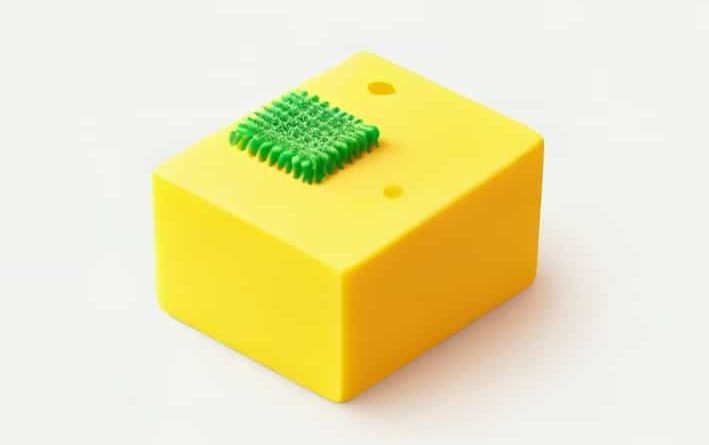
Yellow Sponge With Green Scrubber
The yellow sponge with green scrubber is a common household cleaning tool that combines the soft absorbent properties of a sponge with the rough, abrasive texture of a green scrubber. This combination makes it highly versatile, suitable for washing dishes, cleaning countertops, scrubbing stubborn stains, and even tackling kitchen appliances. Known for its effectiveness and convenience, the yellow sponge with green scrubber has become a staple in kitchens and cleaning kits around the world. Its design allows users to clean a variety of surfaces efficiently, while its affordability and ease of use make it accessible to virtually every household. Understanding its features, uses, maintenance, and environmental impact provides insight into why this simple tool continues to be indispensable in daily life.
Design and Structure
The yellow sponge with green scrubber typically features a dual-layer structure. The yellow part is a soft, porous sponge that absorbs water, soap, and cleaning solutions. This portion is ideal for wiping surfaces, soaking up spills, and gently cleaning delicate items. The green scrubber is a tougher, rougher surface attached to one side of the sponge, designed to remove stuck-on food, grease, and grime. Together, these two layers make the sponge both effective and versatile for a range of cleaning tasks.
Key Features
- Dual-layer construction with soft sponge and abrasive scrubber
- Durable and flexible design for easy handling
- Bright yellow color for visibility and ease of identification
- Compact size suitable for hand use and easy storage
- Multi-purpose functionality for kitchen, bathroom, and household cleaning
Uses in Household Cleaning
The yellow sponge with green scrubber is primarily used in the kitchen, but its utility extends to other areas of the home. It is highly effective for cleaning dishes, pots, pans, and baking trays, especially when grease or burnt food is present. The sponge side allows for gentle cleaning of surfaces that can scratch easily, while the scrubber side tackles tougher residues. Beyond the kitchen, it can also be used for scrubbing sinks, bathroom tiles, countertops, and even outdoor items such as garden tools or patio furniture.
Kitchen Applications
- Washing dishes, pots, and pans
- Removing grease and stuck-on food
- Cleaning stovetops and countertops
- Scrubbing cutting boards and utensils
- Cleaning kitchen appliances like ovens and microwaves
Bathroom and Other Uses
- Scrubbing sinks, bathtubs, and shower tiles
- Cleaning bathroom countertops and mirrors
- Wiping down cabinets and surfaces
- Light outdoor cleaning, such as garden furniture
- Spot cleaning walls or other hard surfaces
Maintenance and Care
Proper maintenance of a yellow sponge with green scrubber ensures longevity and prevents bacterial growth. Since sponges can retain moisture and food ptopics, they can become breeding grounds for bacteria if not cleaned regularly. Simple care practices include rinsing thoroughly after each use, wringing out excess water, and allowing the sponge to air dry. Some sponges can also be sanitized in a microwave or dishwasher to extend their usable life and maintain hygiene.
Tips for Cleaning and Maintenance
- Rinse sponge thoroughly after each use to remove debris and soap
- Wring out excess water to prevent bacterial growth
- Air dry in a well-ventilated area
- Sanitize periodically using boiling water, microwave, or dishwasher
- Replace the sponge regularly to ensure effective cleaning
Advantages of the Yellow Sponge with Green Scrubber
The yellow sponge with green scrubber offers numerous advantages over other cleaning tools. Its combination of soft and abrasive surfaces allows for versatility in tackling both delicate and tough cleaning tasks. It is inexpensive, widely available, and easy to use, making it suitable for households of all sizes. Additionally, the bright yellow color increases visibility, helping users keep track of sponges and avoid cross-contamination between different cleaning areas.
Key Benefits
- Versatile for multiple cleaning tasks
- Cost-effective and widely accessible
- Easy to use and maneuver
- Dual-purpose design for gentle and abrasive cleaning
- Compact and easy to store
Environmental Considerations
While the yellow sponge with green scrubber is convenient, environmental impact is an important consideration. Most traditional sponges are made from synthetic materials, which are not biodegradable and can contribute to plastic waste. Some manufacturers are now producing eco-friendly alternatives made from natural cellulose, biodegradable fibers, or recyclable materials. Choosing sustainable sponges helps reduce environmental impact while maintaining cleaning efficiency.
Eco-Friendly Alternatives
- Cellulose sponges made from wood fibers
- Compostable or biodegradable sponge materials
- Recyclable synthetic sponge options
- Reusable and long-lasting sponge designs
- Packaging made from sustainable or recycled materials
Tips for Optimal Use
Using a yellow sponge with green scrubber effectively requires some best practices. Avoid using the abrasive side on delicate surfaces to prevent scratches. Use appropriate cleaning solutions to enhance performance and reduce effort. Keeping separate sponges for different cleaning areas, such as the kitchen and bathroom, helps prevent cross-contamination. Additionally, regularly replacing worn or damaged sponges ensures optimal cleaning results and hygiene.
Best Practices
- Use the sponge side for delicate surfaces and the scrubber for tough stains
- Separate sponges for different areas to maintain hygiene
- Use mild detergents or cleaning solutions for safe and effective cleaning
- Replace sponges when they show signs of wear or odor
- Store in a dry area to extend lifespan
The yellow sponge with green scrubber is an indispensable household tool that combines practicality, versatility, and efficiency. Its dual-layer design allows it to handle both delicate and tough cleaning tasks, making it suitable for kitchens, bathrooms, and other areas of the home. Proper maintenance, responsible usage, and consideration of environmental alternatives can maximize its lifespan while reducing its ecological impact. Whether used for scrubbing pots, wiping countertops, or cleaning tiles, this simple yet effective cleaning tool remains a staple in homes worldwide. Its continued popularity highlights the importance of practical design, convenience, and adaptability in everyday household tools.