Are Alaskan Bull Worm Real
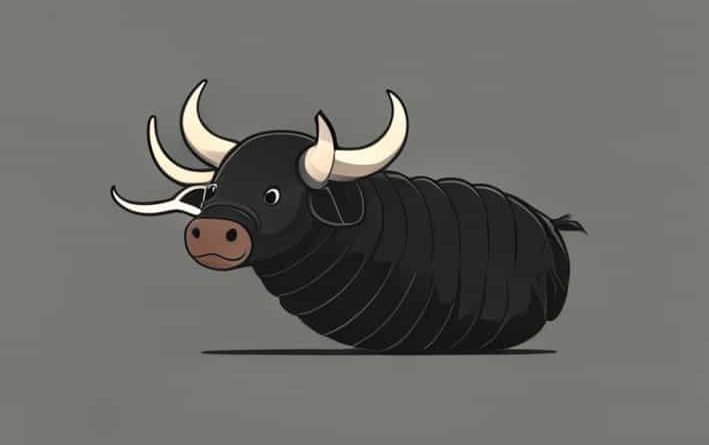
The Alaskan Bull Worm has captured the imagination of many due to its massive size and seemingly insatiable appetite. Popularized by animated shows and social media memes, this creature is often depicted as a gigantic, terrifying worm capable of causing widespread destruction. Many people wonder whether such a creature actually exists in reality or if it is purely a work of fiction. While it has become a symbol of exaggeration and humor in popular culture, the truth behind the Alaskan Bull Worm is far more grounded in imagination than in scientific evidence. Nevertheless, the fascination with this colossal worm raises interesting questions about myths, the boundaries of nature, and why humans are drawn to stories about enormous creatures lurking beneath the surface.
Origins of the Alaskan Bull Worm
The concept of the Alaskan Bull Worm first appeared in animated media, where it was portrayed as a colossal worm living beneath the ground in Alaska. It quickly became a memorable character due to its size, strength, and the chaos it causes. Unlike real worms, which are limited in size by biological constraints, the Alaskan Bull Worm is exaggerated to an extreme degree for comedic and dramatic effect. This fictional origin explains why there are no scientific records or credible sightings of such a worm in Alaska or anywhere else in the world.
Pop Culture Influence
Animated series and internet culture played a huge role in spreading the legend of the Alaskan Bull Worm. Its depiction often involves exaggerated scenes where it swallows objects, disrupts towns, or creates humorous chaos. These portrayals, while entertaining, are entirely fictional. The exaggeration is a key element that makes the creature memorable, and it has been embraced by fans who enjoy the absurdity and imaginative possibilities. Even online forums and social media have contributed to the myth, with many memes and jokes referencing the worm as if it were real.
Biological Reality of Worms
While the Alaskan Bull Worm as depicted in media is not real, the world does contain some impressively large worms. For example, giant earthworms in Australia and South Africa can reach several feet in length, and certain species of marine worms can grow even longer. However, these real-life worms are nowhere near the monstrous size portrayed in animated shows. Biological limits, such as the need for efficient oxygen exchange and nutrient absorption, prevent worms from reaching the enormous proportions of the Alaskan Bull Worm.
Comparison with Real Worms
- Giant Gippsland EarthwormFound in Australia, it can grow up to 3 meters long but is much thinner than the fictional Alaskan Bull Worm.
- Bobbit WormA marine polychaete worm that can grow up to 3 meters and has powerful jaws, but it lives in the ocean rather than on land.
- Earthworms in AlaskaCommon species are much smaller, usually just a few inches long and incapable of the destructive feats attributed to the Alaskan Bull Worm.
These comparisons show that while worms can be impressive in size, the giant, town-destroying worm is purely a creation of imagination.
Why People Believe in the Myth
Human fascination with giant creatures is not limited to the Alaskan Bull Worm. Stories of enormous snakes, sharks, and other animals have persisted for centuries. The Alaskan Bull Worm taps into this fascination, combining humor with fear to make a creature that is both terrifying and entertaining. The way people share and exaggerate stories online adds to the perception that such creatures could exist, even when scientific evidence contradicts it. The allure of the unknown and the desire to imagine the impossible are key reasons why myths like this endure.
The Role of Imagination
The Alaskan Bull Worm exemplifies how imagination shapes our understanding of the world. Even though we know it is fictional, the concept encourages creative thinking and storytelling. People enjoy creating scenarios where the worm could exist, imagining what might happen if it were real. This imaginative play is a central part of human culture and helps explain why myths and legends, even those as obviously exaggerated as the Alaskan Bull Worm, continue to captivate audiences.
Scientific Perspective
From a scientific standpoint, no evidence supports the existence of a worm anywhere near the size or behavior of the Alaskan Bull Worm. Researchers who study soil organisms and marine worms have found many fascinating species, but none exhibit the extreme characteristics of the fictional worm. Factors like metabolism, oxygen delivery, and physical structure limit worm growth. Additionally, the logistics of an animal large enough to swallow towns would require impossible adaptations that violate the laws of biology.
Lessons from the Myth
Despite being fictional, the Alaskan Bull Worm can teach us about biology, ecology, and storytelling. It reminds us of the limits of animal physiology while also highlighting how human imagination can create vivid, memorable creatures. It also shows how humor and exaggeration can make stories more engaging. Fans and creators alike use the Alaskan Bull Worm as a symbol of creativity, exaggeration, and the playful side of human curiosity.
In summary, the Alaskan Bull Worm is not real. It is a product of animated media, pop culture, and collective imagination. While worms in the natural world can be impressive, none reach the enormous, town-swallowing size of this fictional creature. The story of the Alaskan Bull Worm demonstrates the power of imagination, the appeal of exaggeration, and the enduring fascination humans have with giant, mysterious creatures. While it may not be found in the Alaskan wilderness, it will continue to thrive in stories, jokes, and online culture for years to come.