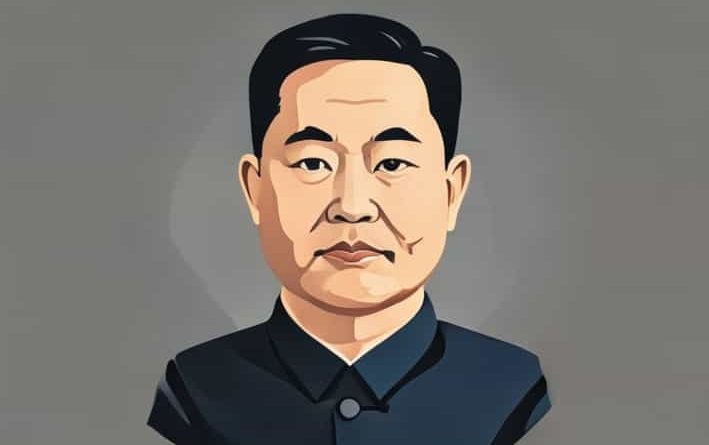
Xi Jinping Studied In Romania
The educational background of world leaders often provides insight into their worldview, leadership style, and international perspective. Xi Jinping, the current President of China, is widely known for his domestic policies and global influence, but less is commonly discussed about his academic experiences abroad. Reports suggest that Xi Jinping studied in Romania for a period during his youth, an experience that may have shaped his understanding of international relations and cross-cultural exchange. Studying in a foreign country often exposes students to new ideas, languages, and cultural perspectives, all of which can contribute to a broader outlook and informed decision-making in later political or professional life. Understanding Xi Jinping’s time in Romania helps illuminate aspects of his formative years and early exposure to global dynamics.
Early Life and Educational Journey
Xi Jinping was born in Beijing in 1953 into a politically prominent family. His father, Xi Zhongxun, was a revolutionary veteran and held important governmental positions, which placed Xi Jinping in a unique position from an early age. However, his childhood and early education were marked by political turmoil, especially during the Cultural Revolution, which disrupted formal education for many young Chinese citizens. Despite these challenges, Xi Jinping demonstrated resilience and adaptability, qualities that would later define his leadership. Part of his formative educational journey included studying abroad, which broadened his perspective beyond China’s domestic environment.
The Romania Experience
During his early years of study, Xi Jinping reportedly spent time in Romania. While detailed accounts of his activities there are limited, it is believed that his time in Romania exposed him to European political, social, and cultural systems. Romania, during the 20th century, had a unique position within the Eastern Bloc under communist governance, blending socialist policies with Eastern European cultural traditions. This environment offered Xi Jinping a perspective on governance, international relations, and economic management distinct from the Chinese context. Such exposure to a foreign educational and political setting likely contributed to his understanding of global diplomacy and strategic thinking.
Influence of Romanian Education
Studying in Romania may have had a significant impact on Xi Jinping’s approach to leadership and international relations. Exposure to a different language, educational system, and social environment often encourages students to think critically, compare governance models, and appreciate cultural diversity. For Xi Jinping, this experience may have reinforced the importance of understanding international perspectives while maintaining a strategic vision for China’s role in global affairs. Moreover, observing Romania’s political and economic systems could have provided practical insights into statecraft and governance challenges that are relevant to China’s own development.
Language and Cultural Immersion
One of the primary benefits of studying abroad is immersion in a foreign language and culture. For Xi Jinping, living in Romania would have required adapting to local customs, communicating in a new language, and navigating social norms different from those in China. Such experiences enhance cognitive flexibility and cultural empathy, skills that are valuable for any future leader engaged in diplomacy or international negotiations. Learning to operate in a cross-cultural environment can also build resilience, patience, and problem-solving abilities, all of which are essential for effective governance and global leadership.
Impact on Political Perspective
Xi Jinping’s time in Romania may have influenced his political perspective, particularly regarding international collaboration and China’s global positioning. Exposure to Eastern European socialist systems could have highlighted both the strengths and limitations of different governance models. Understanding how Romania managed its domestic policies within a broader geopolitical context may have informed Xi Jinping’s approach to balancing domestic priorities with international engagement. Additionally, experiencing life outside China might have reinforced his appreciation for national sovereignty and strategic planning, elements that are evident in his domestic and foreign policies today.
Networking and Diplomatic Insights
Studying abroad often allows students to form connections with peers, faculty, and professionals from diverse backgrounds. While in Romania, Xi Jinping may have interacted with students and officials who offered insights into European political and economic affairs. These interactions provide informal education in diplomacy, negotiation, and international collaboration. Exposure to different political environments helps develop the ability to analyze global trends, anticipate challenges, and make informed decisions in leadership roles. Such networking opportunities, even if brief, can have long-lasting implications for future political strategies and international engagement.
Lessons from Cross-Cultural Education
Xi Jinping’s educational experiences in Romania illustrate the broader value of cross-cultural learning. Studying in a foreign country fosters independence, critical thinking, and adaptability, qualities that are essential for leadership. It also encourages individuals to appreciate diversity, develop nuanced perspectives on global issues, and consider multiple approaches to problem-solving. For Xi Jinping, these lessons may have contributed to his pragmatic approach to governance and his emphasis on strategic thinking in both domestic policy and foreign affairs.
Broader Implications for Leadership
- Exposure to international educational systems can inform strategic decision-making.
- Cultural immersion enhances empathy and understanding in diplomacy.
- Networking abroad provides insights into global governance and collaboration.
- Cross-cultural experiences foster adaptability and resilience under challenging conditions.
- Comparative understanding of political systems can guide domestic policy development.
The period Xi Jinping spent studying in Romania represents a formative chapter in his educational and personal development. While the details of his activities there may not be widely documented, the influence of cross-cultural exposure is evident in the broader context of his leadership style and international engagement. Learning in a foreign environment provided opportunities for language acquisition, cultural immersion, and insights into governance systems beyond China. These experiences likely contributed to his ability to navigate complex domestic and international landscapes, shaping his strategic thinking and diplomatic skills. Understanding Xi Jinping’s Romanian educational experience offers a valuable perspective on how formative international exposure can shape future leaders, influencing their approach to governance, policy, and global interactions in significant ways.