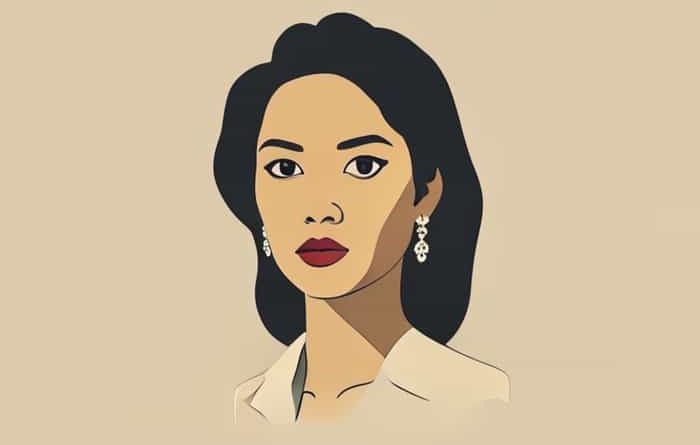
Arsenio Lacson And Imelda
Arsenio Lacson and Imelda Marcos are two of the most prominent and contrasting figures in Philippine political history. Arsenio Lacson, often hailed as a reformist and trailblazing mayor of Manila, is remembered for his dynamic leadership, straightforward approach, and dedication to public service. In contrast, Imelda Marcos, former first lady of the Philippines, became infamous for her lavish lifestyle, political influence, and involvement in one of the most controversial periods in the nation’s history. While Lacson and Imelda Marcos operated in overlapping timelines, their approaches, reputations, and legacies could not be more different, reflecting the diverse spectrum of Philippine politics in the mid-20th century. Their lives and political careers continue to be subjects of study, discussion, and fascination for historians, journalists, and the general public alike.
Arsenio Lacson A Profile
Arsenio Lacson, born on December 27, 1912, in Talisay, Negros Occidental, rose to prominence as a journalist before entering politics. Known for his eloquence, charisma, and tough stance on corruption, Lacson became the first elected mayor of Manila in 1952. His tenure marked a period of reform and modernization for the city, earning him widespread popularity and recognition as a political icon. Lacson’s style was direct and unapologetic, often challenging entrenched interests and advocating for the welfare of Manila’s citizens. His leadership extended beyond routine governance, as he implemented urban planning initiatives, strengthened local law enforcement, and fostered civic pride among residents.
Lacson’s Achievements as Manila Mayor
- Implemented effective anti-corruption measures in city government
- Modernized Manila’s public transportation and infrastructure
- Promoted education and cultural programs for residents
- Strengthened police and emergency services to enhance public safety
- Encouraged civic engagement and public accountability
Imelda Marcos A Profile
Imelda Marcos, born Imelda Romuáldez on July 2, 1929, in Manila, became the first lady of the Philippines after marrying Ferdinand Marcos, who served as president from 1965 to 1986. Imelda was renowned for her extravagant lifestyle, fashion sense, and influential role in politics. She held key government positions, promoted cultural initiatives, and wielded substantial power behind the scenes. However, her legacy is intertwined with controversy, particularly regarding corruption allegations, the accumulation of vast wealth, and the misuse of public funds. Imelda’s influence extended beyond her personal image, impacting national policy, cultural projects, and international perceptions of the Philippines.
Imelda Marcos’ Influence and Projects
- Oversaw the construction of cultural landmarks such as the Cultural Center of the Philippines
- Promoted arts, music, and ballet programs to enhance national culture
- Held governmental roles including governor of Metro Manila
- Engaged in social programs, though often criticized for elitist undertones
- Symbolized the opulence and excess of the Marcos regime
Interactions and Contrasts Between Lacson and Imelda
During Arsenio Lacson’s tenure as Manila mayor, he was known for his independence, political courage, and focus on public service, often positioning himself as a critic of excessive government spending and mismanagement. In contrast, Imelda Marcos represented the luxurious and politically strategic side of governance, leveraging her position as first lady to promote cultural projects and personal influence. Though there is limited evidence of direct political confrontation between Lacson and Imelda Marcos, their approaches illustrate a fundamental contrast in leadership styles Lacson’s populist, reform-oriented governance versus Imelda’s elite, image-driven influence. This contrast continues to be discussed in Philippine historical analyses as an example of differing political philosophies within the same era.
Political Styles and Leadership
- Arsenio Lacson Populist, reform-driven, focused on transparency and civic responsibility
- Imelda Marcos Image-conscious, culturally influential, wielded power through political connections
- Lacson’s approach Direct engagement with the public and criticism of corruption
- Imelda’s approach Strategic influence behind the scenes, often associated with grandeur
- Both shaped public perception of governance in Manila and the Philippines
Legacy and Historical Significance
Arsenio Lacson’s legacy remains celebrated for his courage, vision, and transformative impact on Manila. Often referred to as a man of action, he is remembered for his ability to connect with ordinary citizens and implement tangible improvements in city governance. His untimely death in 1962 cut short a promising political career, yet his influence persists in discussions of Philippine local government leadership. Imelda Marcos’ legacy is more controversial, encompassing both cultural contributions and notorious extravagance. She remains a polarizing figure, emblematic of both the development of national arts and the excesses of the Marcos regime. Studying Lacson and Imelda Marcos together provides insight into the complexities of Philippine political history and the varying approaches to leadership and public service.
Enduring Public Perception
- Arsenio Lacson Celebrated as an incorruptible, dynamic mayor
- Imelda Marcos Controversial figure symbolizing opulence and political influence
- Lacson’s influence evident in reforms and civic pride initiatives
- Imelda’s influence evident in cultural projects and international recognition
- Both continue to be subjects of historical research, media portrayal, and public debate
Lessons from Lacson and Imelda
The study of Arsenio Lacson and Imelda Marcos provides valuable lessons in leadership, governance, and public perception. Lacson demonstrates the importance of transparency, accountability, and direct engagement with the citizenry, showing how ethical governance can inspire trust and civic pride. Imelda Marcos highlights the power of cultural diplomacy, image-building, and strategic influence, illustrating how public perception can be shaped by charisma and visibility. Together, they offer a multidimensional view of Philippine politics, emphasizing that leadership effectiveness can be measured in diverse ways-through tangible reforms, public approval, cultural contributions, or long-term historical impact.
Key Takeaways
- Effective governance requires transparency, integrity, and connection with the public
- Cultural influence and public image can significantly affect political power
- Contrasting leadership styles can coexist within the same political era
- Historical analysis of political figures provides insights for future leaders
- Lacson and Imelda exemplify the spectrum of leadership approaches in Philippine history
Arsenio Lacson and Imelda Marcos remain iconic and contrasting figures in Philippine history, representing divergent approaches to leadership and governance. Lacson’s reformist and populist style contrasts sharply with Imelda Marcos’ image-focused and influential role within the Marcos administration. Their legacies continue to influence public discourse, historical scholarship, and political thought in the Philippines. By examining the careers and contributions of both Lacson and Imelda, one gains a nuanced understanding of mid-20th century Philippine politics, highlighting how leadership, public perception, and governance practices shape both historical memory and contemporary political culture.