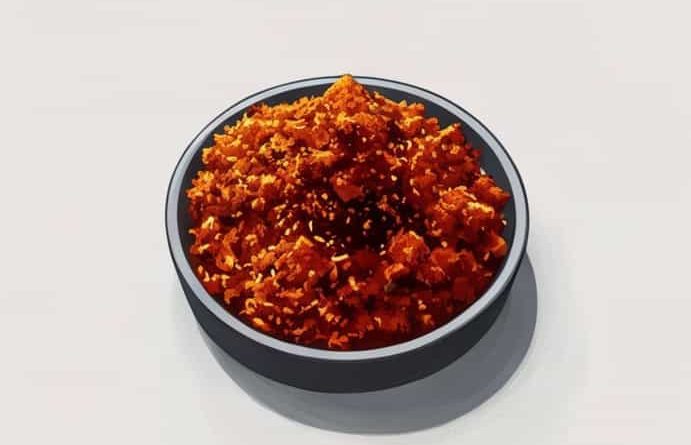
What Is Tandoori Masala
When people think of Indian cuisine, one of the most recognizable flavors comes from tandoori dishes, which are rich, aromatic, and full of vibrant color. At the heart of these dishes is tandoori masala, a spice blend that has become a symbol of North Indian cooking. Known for its earthy warmth and smoky character, tandoori masala is more than just seasoning; it is a cultural expression of culinary tradition. It is commonly used in tandoori chicken, paneer tikka, kebabs, and many other grilled or roasted foods, but its influence extends beyond Indian borders, appearing in global kitchens as well. Understanding what tandoori masala is, how it is made, and the many ways it is used helps reveal why it remains one of the most beloved spice blends in the world.
Definition of Tandoori Masala
Tandoori masala is a traditional Indian spice blend designed for cooking dishes in a clay oven called a tandoor. The blend usually includes a mix of ground spices such as cumin, coriander, turmeric, paprika, cinnamon, nutmeg, and chili powder. Its distinct red or orange color often comes from chili powder and turmeric, while its deep, smoky flavor develops when it is used in high-heat cooking. Although originally created for tandoor-style dishes, tandoori masala is versatile and works well in grilling, roasting, or even pan-frying.
Key Ingredients in Tandoori Masala
The composition of tandoori masala can vary depending on the region or household, but there are some spices that are commonly used
- CorianderAdds a mild citrusy and earthy base.
- CuminProvides warmth and depth of flavor.
- TurmericGives the blend its golden undertone and earthy aroma.
- Chili powderContributes heat and red coloring.
- PaprikaEnhances the smoky flavor and bright color.
- Ginger powderAdds warmth and a hint of spice.
- Garlic powderBrings savory richness.
- Cinnamon and nutmegProvide a touch of sweetness and complexity.
Origin and Cultural Background
The roots of tandoori masala can be traced to North India, particularly the Punjab region, where the tandoor oven has been used for centuries. Traditionally, meats and breads like naan were cooked in this cylindrical clay oven, which imparted a unique smoky flavor. To enhance the taste of the food, cooks began using a blend of spices, which eventually became known as tandoori masala. The blend gained global popularity in the mid-20th century, when dishes like tandoori chicken and chicken tikka became iconic exports of Indian cuisine.
How Tandoori Masala is Used
Tandoori masala is a versatile spice mix that can be used in multiple cooking techniques
- MarinadesOften mixed with yogurt and lemon juice to tenderize and flavor meats, fish, or paneer.
- Grilling and roastingApplied as a dry rub or wet paste for chicken, lamb, or vegetables.
- CurriesAdded to stews and curries for an extra layer of flavor and color.
- BreadsSometimes sprinkled on naan or paratha for a spiced finish.
Tandoori Masala vs. Garam Masala
Many people confuse tandoori masala with garam masala, but they are distinct blends. Garam masala is a general-purpose spice mix used in a wide range of Indian dishes, often added at the end of cooking for aroma. Tandoori masala, however, is more specialized and designed to withstand high-heat cooking, especially in grilling or roasting. It usually has a more vibrant color and stronger smoky and spicy notes compared to garam masala.
Health Benefits of Tandoori Masala
Beyond its delicious flavor, tandoori masala also brings potential health benefits because of the natural properties of its spices
- TurmericKnown for its anti-inflammatory and antioxidant effects.
- CuminAids digestion and boosts metabolism.
- GingerHelps reduce nausea and supports the immune system.
- GarlicMay improve heart health and strengthen immunity.
- CinnamonSupports blood sugar regulation.
While these benefits exist, it is important to remember that they come as part of a balanced diet and healthy lifestyle.
Homemade Tandoori Masala
Although ready-made tandoori masala is widely available in stores, many people prefer making it at home to control freshness and balance of flavors. A simple homemade recipe might include ground coriander, cumin, paprika, chili powder, turmeric, ginger, garlic powder, cinnamon, and nutmeg. The spices are usually dry roasted lightly before grinding to release their oils, enhancing aroma and taste. Homemade blends can also be adjusted for heat, smokiness, or sweetness depending on personal preference.
Popular Dishes with Tandoori Masala
Tandoori masala is most famous for flavoring certain iconic dishes
- Tandoori chickenChicken marinated in yogurt and tandoori masala, then cooked in a tandoor or oven.
- Paneer tikkaCubes of paneer marinated in spices and grilled, often served with chutney.
- Chicken tikka masalaA globally popular dish made with grilled chicken pieces in a rich tomato-based curry.
- Seekh kebabsSpiced ground meat skewers grilled or baked with smoky flavor.
- Tandoori naanBread brushed with butter and sometimes spiced with masala for extra flavor.
Modern Uses of Tandoori Masala
Today, tandoori masala is not limited to traditional Indian cooking. Chefs around the world experiment with it in fusion dishes, adding it to pasta sauces, burgers, roasted vegetables, and even salad dressings. Its bold flavor and bright color make it an appealing addition to both classic and modern recipes. The growing popularity of global cuisines has made tandoori masala a staple in many international kitchens.
How to Store Tandoori Masala
Like all spice blends, tandoori masala should be stored properly to maintain its flavor and aroma. It is best kept in an airtight container, away from direct sunlight and moisture. Whole spices retain their flavor longer, so if you prepare your own blend, grinding small batches as needed ensures freshness. Commercial tandoori masala usually lasts up to six months when stored correctly.
Tandoori masala is more than just a seasoning; it is a representation of tradition, flavor, and culinary artistry. With its origins in North Indian cooking and its spread to kitchens worldwide, this spice blend continues to be celebrated for its versatility and taste. Whether used to prepare authentic tandoori chicken, vegetarian tikka, or innovative fusion dishes, tandoori masala enhances food with color, aroma, and depth. Its cultural significance, combined with its practical use, ensures that tandoori masala will remain an essential part of both Indian cuisine and global gastronomy for generations to come.